
Every year, over 120 billion units of personal care packaging end up in landfills globally. Much of it comes from single-use plastics in our bathrooms—shampoo bottles, toothpaste tubes, soap wrappers, and disposable razors. Transitioning to a zero waste bathroom doesn’t require perfection; it begins with thoughtful, incremental changes. Building a zero waste bathroom kit is one of the most effective ways to reduce household plastic consumption while simplifying your daily routine. This guide walks you through each stage, offering realistic strategies, product alternatives, and long-term maintenance tips.
Why a Zero Waste Bathroom Matters
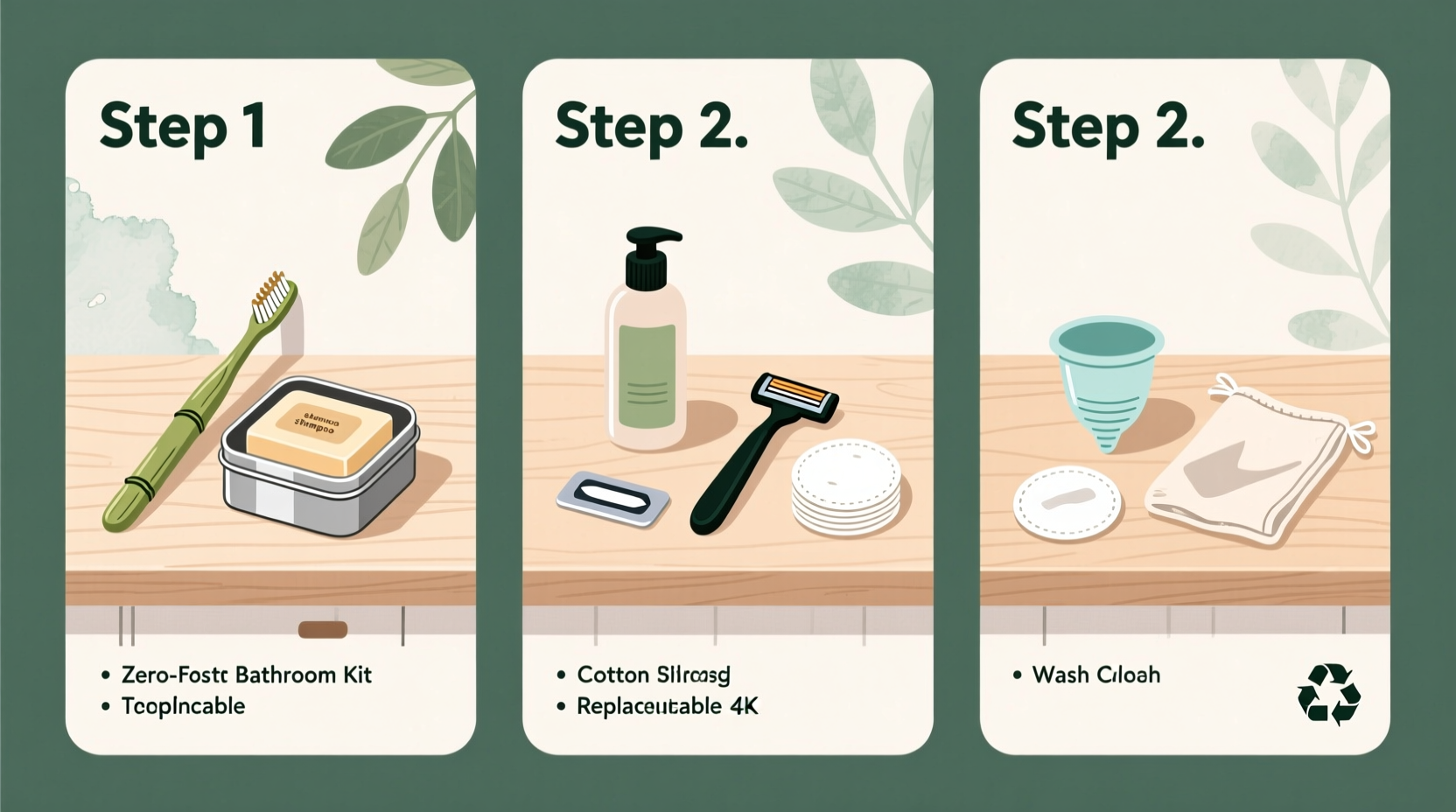
The average person uses six to eight personal care products daily, each often packaged in non-recyclable materials. Many of these items are designed for short-term use but last centuries in landfills. A zero waste bathroom focuses on eliminating disposables, choosing reusable or compostable materials, and supporting ethical brands that prioritize sustainability.
Benefits extend beyond environmental impact. Solid toiletries typically contain fewer preservatives and synthetic additives, making them gentler on skin. Over time, investing in durable tools like bamboo toothbrushes or safety razors reduces recurring costs. Most importantly, creating a low-waste bathroom fosters mindfulness about consumption—a shift that often spreads to other areas of life.
“Switching to package-free products isn’t just eco-friendly—it reconnects us with simpler, more intentional routines.” — Dr. Lena Torres, Environmental Health Researcher at Green Living Institute
Step-by-Step: How to Build Your Kit
Building a zero waste bathroom kit is a process, not an overnight overhaul. Follow this timeline to make sustainable upgrades without overwhelm.
- Assess current products: Take inventory of everything in your bathroom. Note which items are nearing expiration or empty. Identify frequent purchases (e.g., shampoo, conditioner, face wash).
- Set priorities: Start with high-impact, frequently replaced items. Replace liquid soaps and shampoos first—they generate the most plastic waste.
- Research sustainable alternatives: Look for refillable, solid, or compostable options. Prioritize local shops or online retailers with transparent sourcing.
- Purchase core items gradually: Buy one or two new products per month. Test compatibility with your skin and hair type before expanding.
- Store properly: Use glass jars, metal tins, or bamboo containers to keep items dry and organized.
- Maintain and replenish: Track usage. Refill containers or reorder solids before running out. Repurpose old containers if possible.
Essential Components of a Zero Waste Bathroom Kit
A functional zero waste bathroom kit includes hygiene essentials that eliminate plastic, support health, and stand the test of time. Below is a breakdown of must-have categories and recommended swaps.
1. Oral Care
- Bamboo toothbrush: Naturally antimicrobial and biodegradable. Replace every 3 months.
- Toothpaste tablets or powder: Packaged in glass jars or metal tins. Chew a tablet, brush with a wet toothbrush.
- Floss made from silk or plant-based fibers: Comes in refillable glass containers with natural wax coating.
2. Hair Care
- Shampoo and conditioner bars: Last 50–70 washes. Choose fragrance-free or essential oil blends based on hair type.
- Wooden comb or boar bristle brush: Durable, static-reducing, and fully compostable at end-of-life.
3. Skin and Body Care
- Bar soap: Multipurpose for face, body, and hands. Opt for cold-process, palm-oil-free versions.
- Body scrub bar or DIY sugar scrub: Avoid microplastics. Use unrefined sugar with coconut or jojoba oil.
- Reusable cotton rounds: Washable flannel or bamboo fabric discs replace disposable wipes.
4. Shaving Supplies
- Safety razor: Stainless steel model lasts decades. Only blades need replacing—and they’re recyclable via metal collection programs.
- Shaving soap bar: Lathers well with a badger or synthetic brush. Minimalist packaging, often paper-wrapped.
5. Menstrual & Hygiene Products
- Menstrual cup or cloth pads: Reusable for years, reducing both cost and landfill burden.
- Compostable dental tape or tampons: If reusables aren’t suitable, choose certified compostable disposables.
6. Storage & Organization
- Glass jars with lids: Ideal for storing toothpaste tablets, cotton rounds, or DIY scrubs.
- Bamboo tray or drawer organizer: Keeps counters clutter-free and adds warmth to decor.
- Soap dishes with drainage: Prevents bars from sitting in water, extending lifespan.
Do’s and Don’ts: Common Pitfalls to Avoid
Transitioning to zero waste involves trial and error. The following table outlines key behaviors to adopt—and those to reconsider.
| Category | Do | Don't |
|---|---|---|
| Purchasing | Buy from refill stations or bulk stores using your own containers. | Order excessive quantities online just because packaging is “eco-friendly.” |
| Product Testing | Test one new item at a time to monitor skin reactions. | Replace everything at once and discard still-usable products. |
| Storage | Use ventilated soap dishes and keep bars dry between uses. | Leave bars in standing water or humid shower corners. |
| Disposal | Recycle metal razor blades or send to specialized programs. | Throw biodegradable items like bamboo brushes into regular trash—compost when possible. |
| Hygiene | Wash reusable cotton rounds weekly in a mesh laundry bag. | Let damp cloths sit in closed containers where mold can grow. |
Real Example: Sarah’s Transition in Portland
Sarah, a 34-year-old teacher in Portland, Oregon, began her zero waste journey after watching a documentary on ocean plastic. Her bathroom was filled with half-empty bottles and travel-sized toiletries. She started small: replacing her liquid hand soap with a castile soap bar stored on a wooden dish. Next, she ordered a menstrual cup and switched to a bamboo toothbrush.
Within four months, she had eliminated all plastic bottles from her routine. She now uses shampoo and conditioner bars wrapped in paper, stores toothpaste tablets in a repurposed spice jar, and makes her own facial toner using apple cider vinegar diluted in a glass spray bottle. “I used to spend $80 a month on bathroom products,” she says. “Now I spend about $30 every three months. Plus, my skin has never been clearer.”
Her advice? “Start with what you use every day. Once you see how simple it is, the rest follows naturally.”
Checklist: Build Your Zero Waste Bathroom Kit
Use this checklist to track your progress. Print it or save it digitally to mark off completed steps.
- ☐ Audit existing bathroom products and note expiration dates
- ☐ Identify top three plastic-heavy items to replace first
- ☐ Research local zero waste stores or online suppliers
- ☐ Purchase a shampoo bar and conditioner bar
- ☐ Switch to a bamboo toothbrush and toothpaste tablets
- ☐ Buy a safety razor or menstrual cup, depending on needs
- ☐ Obtain reusable cotton rounds and a wash bag
- ☐ Set up storage: glass jars, draining soap dish, bamboo tray
- ☐ Recycle or properly dispose of empty containers
- ☐ Share your experience with friends or on social media to inspire others
Frequently Asked Questions
Can I really eliminate all plastic from my bathroom?
While achieving 100% zero waste is challenging, most households can eliminate over 90% of plastic with effort. Some medications or prescription items may come in necessary plastic packaging. Focus on what you can control—daily consumables—and accept incremental progress.
Are solid products as effective as liquids?
Yes, when formulated correctly. Shampoo bars, for example, clean just as effectively and often contain fewer irritants. Effectiveness depends on water hardness and hair type. Hard water users may benefit from a monthly vinegar rinse to prevent mineral buildup.
How do I keep my kit hygienic?
Clean containers every few weeks with hot, soapy water. Allow bars to dry completely between uses. Wash reusable cloths weekly in warm water. Replace bamboo brushes or combs only when frayed or worn—typically after 12–18 months.
Final Thoughts and Call to Action
Building a zero waste bathroom kit is more than an environmental gesture—it’s a commitment to simplicity, self-awareness, and long-term wellness. Each bar of soap, each stainless steel razor, represents a vote for a cleaner planet and a more conscious lifestyle. You don’t need to be perfect. You just need to begin.
Start with one swap. Then another. Share what works for you. Encourage your family to join. Small actions, repeated consistently, create lasting change. The bathroom may be a small room, but its impact on the world can be enormous.




 浙公网安备
33010002000092号
浙公网安备
33010002000092号 浙B2-20120091-4
Comments
No comments yet. Why don't you start the discussion?