
Bringing home a new puppy is joyful, but as temperatures drop, pet owners face a new responsibility: protecting their young dog from the cold. Puppies—especially small breeds, short-haired dogs, or those from warmer climates—are highly susceptible to hypothermia and discomfort in chilly weather. A well-fitted winter coat isn’t just a fashion statement; it’s essential gear for safe outdoor time. However, not all coats are created equal, and improper use can lead to chafing, restricted movement, or overheating. This guide walks you through every stage of selecting and using a winter coat that keeps your puppy warm, comfortable, and mobile.
Understand Your Puppy’s Cold Weather Needs
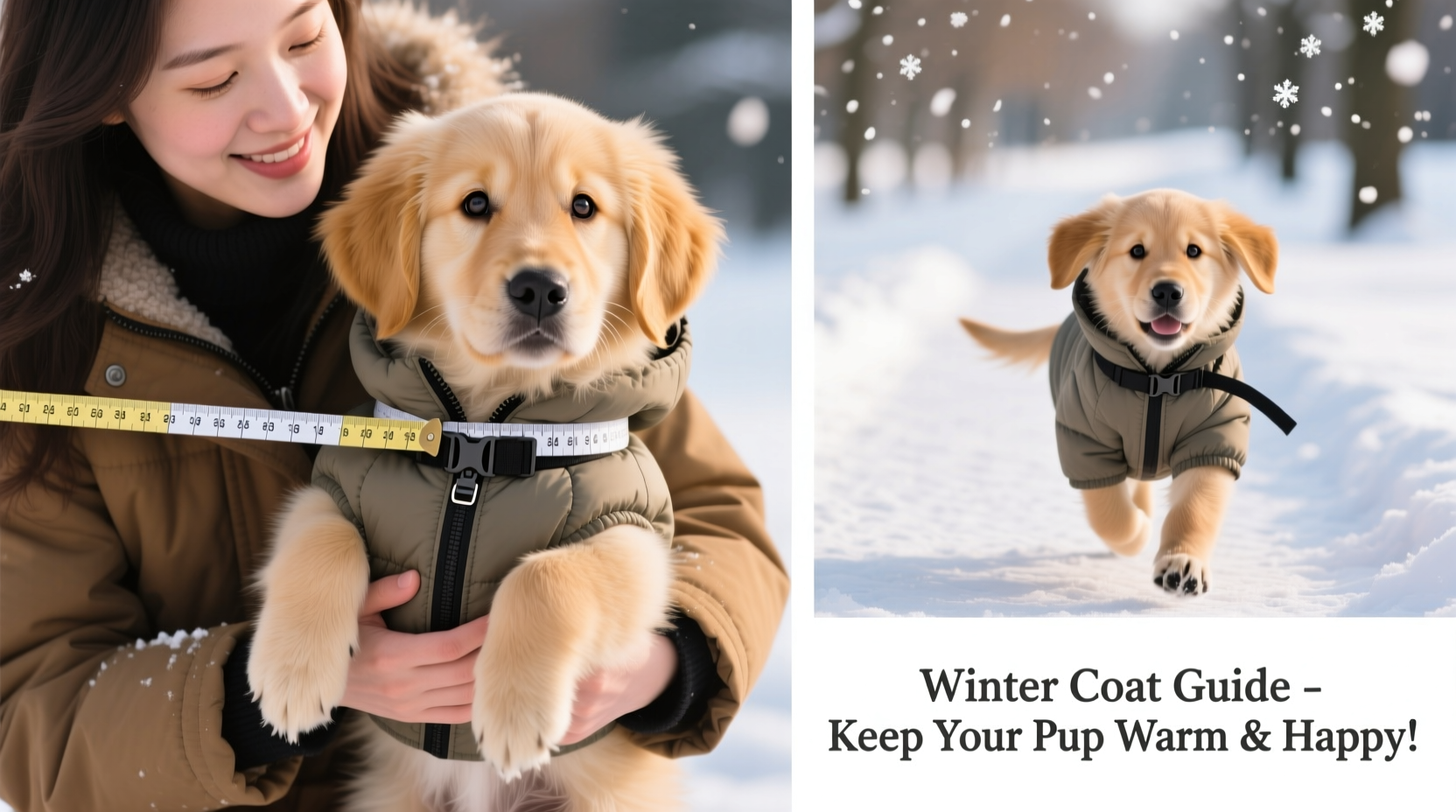
Puppies lose body heat faster than adult dogs due to their smaller size, underdeveloped fat layers, and higher surface-to-volume ratio. Breeds like Chihuahuas, Dachshunds, and Greyhounds often need insulation even at 45°F (7°C), while thick-coated breeds like Huskies may rarely require one. But age matters too—puppies under six months lack full thermoregulation and are more vulnerable regardless of breed.
Cold exposure signs include shivering, lifting paws, reluctance to walk, and hunched posture. If you see any of these, it's time to consider protective clothing. The goal isn't just warmth—it's maintaining core temperature without compromising natural movement or skin health.
Step-by-Step Guide to Choosing the Right Winter Coat
- Measure Your Puppy Accurately
Use a soft tape measure to record three key dimensions: neck girth (just behind the ears), chest girth (behind the front legs), and back length (from base of neck to tail). These numbers are critical—most sizing charts rely on them. - Assess Coat Length and Coverage
Full-coverage coats protect the belly and back, ideal for snow or windy conditions. Shorter vests work in milder cold but leave the abdomen exposed. For puppies playing in snow or walking on salted sidewalks, full coverage is safer. - Select Breathable, Waterproof Materials
Look for outer shells made of polyester or nylon with a DWR (durable water repellent) finish. The inner lining should be fleece or thermal fabric that wicks moisture. Avoid vinyl or PVC—they trap sweat and cause irritation. - Check Fit and Flexibility
The coat should allow full range of motion. Shoulder seams must align with the pup’s shoulders, not restrict leg lift. Chest straps should fasten snugly without pinching. Test fit by letting your puppy move, sit, and lie down. - Verify Closure Type
Velcro and snap buttons are common. Velcro offers adjustability but can snag fur. Snaps are durable but less forgiving on growing pups. Some high-end models combine both for secure yet flexible closure.
What to Avoid in Winter Coats
| Feature | Why It’s a Problem | Better Alternative |
|---|---|---|
| Loose hoods or dangling strings | Risk of entanglement or chewing | Smooth, low-profile collars |
| Non-breathable linings | Traps moisture, causes skin rashes | Fleece or mesh-lined interiors |
| One-size-fits-all designs | Poor fit leads to gaps or restriction | Size-specific options with growth allowance |
| Heavy padding | Limits mobility and increases overheating risk | Lightweight thermal layers |
Dressing Your Puppy: A Stress-Free Process
Introducing a coat shouldn’t be overwhelming. Many puppies resist clothing at first, interpreting it as restraint. The key is gradual acclimation paired with positive reinforcement.
- Let Them Investigate
Lay the coat on the floor. Let your puppy sniff, paw, and explore it. Reward curiosity with treats. - Touch Introduction
Gently drape the coat over their back for 10 seconds. Remove it immediately and reward. Repeat over several sessions. - Fasten Briefly
Once comfortable with contact, fasten the coat loosely for increasing durations—start at 30 seconds, build to 5 minutes. - Add Movement
Walk your puppy around indoors while wearing the coat. Watch for signs of discomfort: excessive scratching, biting at seams, or stiff gait. - Outdoor Trial
Take a short walk (5–10 minutes) in mild cold. Monitor behavior closely. Return if shivering persists or if the puppy seems agitated.
Real Example: Introducing Luna to Her First Winter Coat
Luna, a 14-week-old Miniature Schnauzer, was adopted in early November. Her owner, Mark, lived in upstate New York where mornings routinely dipped below freezing. Despite her double coat, Luna would shiver after two minutes outside.
Mark followed the acclimation steps over five days. He started by placing the coat near her bed with treats on top. By day three, he fastened it for brief indoor sessions while playing fetch with a soft ball. On day five, Luna walked calmly around the block wearing the coat, pausing only to sniff bushes—not to shake it off.
The turning point? Using her favorite chicken strips during dressing. Within a week, Luna anticipated coat time as the prelude to adventure. Her confidence grew, and so did her tolerance for colder walks.
Expert Insight: What Veterinarians Recommend
“Puppy coats should support, not replace, natural thermoregulation. They’re tools for extreme weather, not everyday wear. Overuse can prevent a dog from adapting to seasonal changes.” — Dr. Rachel Nguyen, DVM, Canine Health Specialist
Dr. Nguyen emphasizes moderation: “A coat is appropriate when temperatures fall below 45°F for sensitive breeds, or below 32°F for most others. Remove it indoors immediately to prevent overheating. Never leave a puppy unattended in a coat, especially during sleep or crate time.”
Essential Checklist Before Buying and Using a Puppy Winter Coat
- ✅ Measured neck, chest, and back length accurately
- ✅ Chosen a material that’s waterproof and breathable
- ✅ Ensured full freedom of movement at shoulders and hips
- ✅ Avoided loose strings, bulky hoods, or irritating seams
- ✅ Introduced the coat gradually with positive reinforcement
- ✅ Monitored for signs of overheating or chafing
- ✅ Removed the coat upon returning indoors
- ✅ Washed the coat regularly per manufacturer instructions
Frequently Asked Questions
How do I know if the coat is too tight?
You should be able to fit two fingers comfortably under any strap. Signs of tightness include red marks on the skin, reluctance to move, or vocalizing discomfort. Adjust or exchange for a larger size immediately.
Can my puppy pee while wearing the coat?
Yes, most well-designed coats have a rear opening or stretchy panel that allows natural elimination. Ensure the cutout is positioned correctly—too far forward can block access, too far back exposes the lower back unnecessarily.
Should puppies wear coats indoors?
No. Indoor heating makes coats unnecessary and risky for overheating. Only use winter coats during brief outdoor excursions. If your puppy seems cold inside, address room temperature or consult a vet—persistent chill could indicate health issues.
Final Thoughts: Comfort, Safety, and Confidence Go Hand in Hand
Choosing and introducing a winter coat is more than a seasonal chore—it’s an act of attentive pet parenting. A properly fitted, thoughtfully used coat supports your puppy’s health, encourages outdoor exploration, and strengthens trust between you. The process requires patience, observation, and a willingness to adapt as your puppy grows.
Start with accurate measurements, prioritize function over fashion, and always listen to your puppy’s body language. With the right approach, your puppy won’t just tolerate their coat—they’ll associate it with safety, warmth, and the excitement of a good walk.




 浙公网安备
33010002000092号
浙公网安备
33010002000092号 浙B2-20120091-4
Comments
No comments yet. Why don't you start the discussion?