
In the heart of a bustling city, where space is limited and noise is constant, finding a personal sanctuary can feel like an impossible dream. Yet even in the smallest apartments, it’s possible to carve out a quiet retreat—a calming corner designed for relaxation, reflection, and mental reset. This isn’t about luxury or square footage; it’s about intentionality. With thoughtful planning, mindful choices, and smart design, you can transform just a few square feet into a restorative haven that supports your well-being every day.
Why a Calming Corner Matters in Small Spaces
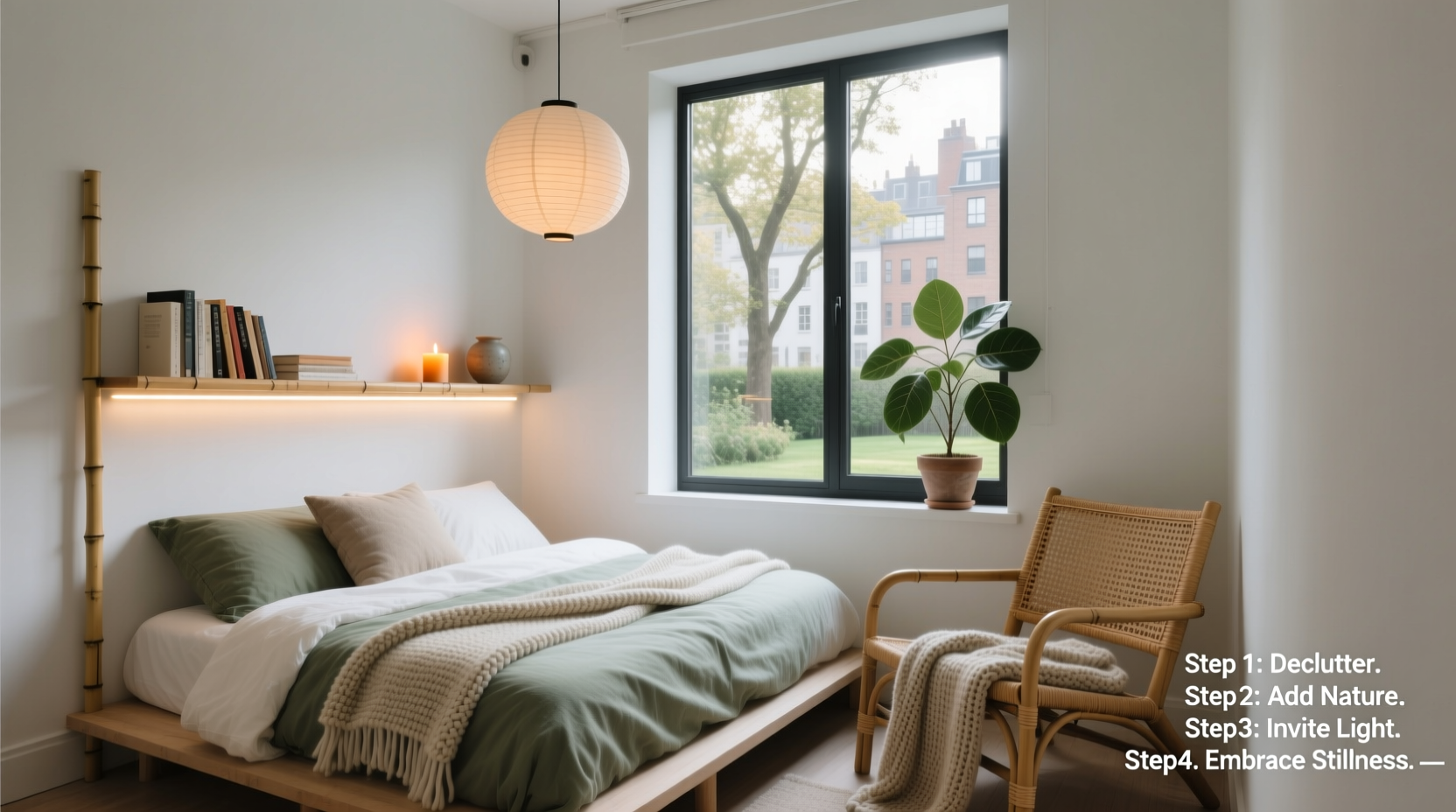
Urban living often means compact layouts, shared walls, and minimal privacy. In such environments, stress can accumulate quietly—through lack of personal space, visual clutter, or constant sensory input. A dedicated calming corner acts as a psychological anchor, offering a consistent place to decompress, meditate, read, or simply breathe. According to environmental psychologists, having a designated zone for relaxation strengthens the brain’s ability to shift from “alert” to “rest” mode more efficiently.
This is especially vital in micro-apartments, studio units, or shared housing where every inch serves multiple purposes. A calming corner doesn’t need to be large—it needs to be intentional. When thoughtfully designed, it becomes more than furniture arrangement; it becomes a ritual space, reinforcing daily self-care habits.
Step-by-Step Guide to Building Your Calming Corner
Creating a peaceful nook in a tight apartment requires strategy, not square footage. Follow this seven-step process to build a functional, soothing retreat that fits seamlessly into your existing layout.
- Assess Available Space: Scan your apartment for underused areas—an empty corner near a window, the end of a hallway, beneath a loft bed, or beside a bookshelf. Even 3x3 feet can suffice if used wisely.
- Define the Purpose: Decide what you’ll use the space for—meditation, reading, journaling, stretching, or unplugged downtime. The primary function will guide your furnishing and sensory choices.
- Declutter the Zone: Remove unnecessary items. Avoid placing the corner near high-traffic paths or noisy appliances. Use rugs or low screens to visually separate it from the rest of the room.
- Select Minimal, Comfortable Seating: Opt for space-saving options like a floor cushion, foldable meditation bench, pouf, or compact armless chair. Ensure support for your back and hips to encourage longer stays.
- Control Light and Sound: Layer lighting with a small table lamp, salt rock light, or soft LED string lights. Consider noise-canceling headphones or a white noise app if ambient noise is unavoidable.
- Add Sensory Elements: Introduce calming textures (knit throws, bamboo mats), gentle scents (essential oil diffuser, dried lavender sachets), and nature-inspired visuals (mini plants, framed forest prints).
- Personalize Thoughtfully: Include one or two meaningful objects—a gratitude journal, a smooth stone from a hike, a photo in a small frame. Avoid overcrowding; minimalism enhances calm.
Choosing the Right Location: Where to Place Your Corner
Not all corners are equally suited for tranquility. Prioritize locations that offer natural advantages:
- Near a window: Natural light improves mood and circadian rhythm. A south- or east-facing spot provides gentle morning sun.
- Away from appliances: Avoid proximity to refrigerators, washing machines, or HVAC vents that produce low-frequency hums.
- Adjacent to quiet zones: If your bedroom or bathroom offers a buffer from common areas, leverage that acoustical advantage.
- Out of main sightlines: Position your corner so it’s not directly visible from the front door or kitchen—this reinforces its role as a private retreat.
If space is extremely tight, consider multi-functional integration. For example, place your calming seat at the foot of your bed, using it for morning meditation and evening reading. Just ensure the transition between uses feels deliberate—not haphazard.
Essential Elements for Maximum Calm
A calming corner succeeds through sensory harmony. Each element should contribute to lowering stress indicators like heart rate and cortisol levels. Focus on these core components:
| Element | Purpose | Space-Smart Options |
|---|---|---|
| Seating | Comfort and posture support | Foldable stool, zafu cushion, wall-mounted swing seat |
| Lighting | Regulate alertness and ambiance | Dimmable LED lamp, fairy lights, Himalayan salt lamp |
| Scent | Trigger relaxation via olfactory pathways | Reed diffuser, essential oil roller, dried herbs in a jar |
| Sound | Mask distractions and promote focus | Portable white noise machine, Bluetooth speaker for guided meditations |
| Nature | Reduce mental fatigue and improve mood | Small succulent, air plant in hanging globe, bonsai tree |
What to Avoid: Common Mistakes in Tiny Calming Corners
Even well-intentioned designs can backfire if they introduce subtle stressors. Steer clear of these pitfalls:
- Over-decorating: Too many items create visual noise. Stick to three to five key pieces max.
- Using bright or harsh lighting: Cool-white LEDs disrupt melatonin. Choose warm-toned bulbs (2700K–3000K).
- Placing electronics nearby: TVs, laptops, or buzzing phones undermine the purpose. Keep devices out of sight or on silent.
- Ignoring airflow: Stale air feels oppressive. Open windows when possible or use a small air purifier.
- Making it inaccessible: If your corner is buried behind boxes or only usable at night, you won’t use it consistently.
“Designing a calming space isn’t about aesthetics alone—it’s about creating an environment that signals safety to the nervous system.” — Dr. Lena Torres, Environmental Psychologist & Urban Wellness Researcher
Mini Case Study: Maya’s Studio Apartment Transformation
Maya, a freelance graphic designer in Brooklyn, lived in a 350-square-foot studio where her bed, desk, and kitchenette competed for space. After months of feeling mentally drained, she decided to reclaim a 4x3 foot area beside her closet for mindfulness practice.
She started by removing a stack of unused art supplies and laying down a jute rug to define the zone. She added a floor cushion covered in oat-colored linen and hung a macramé shelf with a small snake plant and a ceramic diffuser. A fabric room divider softened the boundary between work and rest areas.
Within two weeks, Maya reported improved focus during meditation and fewer nighttime anxiety spikes. “It’s not much space,” she said, “but stepping into that corner tells my brain it’s time to slow down. I use it for ten minutes each morning, and it sets the tone for my whole day.”
Checklist: Build Your Calming Corner in One Weekend
Use this actionable checklist to complete your calming corner efficiently:
- ☐ Identify a quiet, low-traffic corner or alcove
- ☐ Clear the area of clutter and non-essential items
- ☐ Lay down a textured rug or mat to anchor the space
- ☐ Choose one comfortable seating option that suits your posture needs
- ☐ Install soft, adjustable lighting (lamp or string lights)
- ☐ Add one plant or natural element (real or high-quality artificial)
- ☐ Introduce a calming scent (diffuser, candle, or sachet)
- ☐ Include one personal item with emotional significance
- ☐ Test the space: Sit quietly for 5 minutes to assess comfort and vibe
- ☐ Adjust as needed—remove anything that feels distracting or forced
Frequently Asked Questions
Can I create a calming corner in a shared apartment?
Absolutely. Communicate your intention to housemates and choose a semi-private area. Use a folding screen or tall plant to mark boundaries. Establish agreed-upon quiet hours if needed. The key is mutual respect—your corner can coexist with shared living.
What if I don’t have any extra floor space?
Think vertically. Mount a wall shelf with a mini Zen garden or hang a suspended pod chair. Use the space under a window sill or convert a deep closet into a sitting nook. Even a dedicated chair in the bedroom, paired with a “do not disturb” sign, can serve as a portable calming zone.
How do I maintain the space long-term?
Treat it like a ritual. Dedicate five minutes weekly to tidying—fluff cushions, wipe surfaces, refresh water in plants. Replace worn items promptly. Most importantly, use it regularly. Consistency turns design into habit.
Final Thoughts: Small Space, Big Impact
A calming corner isn’t a luxury reserved for spacious homes or wellness influencers. It’s a practical response to modern life’s relentless pace—especially within the confines of a tiny apartment. By dedicating even a sliver of your home to stillness, you send a powerful message to yourself: your peace matters.
The beauty of this project lies in its scalability. You don’t need money, renovation, or permission. You need only a few intentional choices—where to sit, how to light the space, what to include, and how to protect it from chaos. Over time, this small act of curation compounds. Moments of pause become routines. Routines become resilience.




 浙公网安备
33010002000092号
浙公网安备
33010002000092号 浙B2-20120091-4
Comments
No comments yet. Why don't you start the discussion?