
A running toilet is more than just an annoyance—it’s a silent water waster. The average leaky toilet can waste up to 200 gallons of water per day, spiking your utility bill and contributing to unnecessary resource depletion. In most cases, the culprit is a worn-out or faulty toilet flapper. The good news? Replacing it is a quick, inexpensive fix you can do yourself in under 30 minutes. This guide walks you through every step, explains how to choose the right replacement, and shares expert tips to ensure long-term performance.
Why Toilet Flappers Fail and When to Replace Them
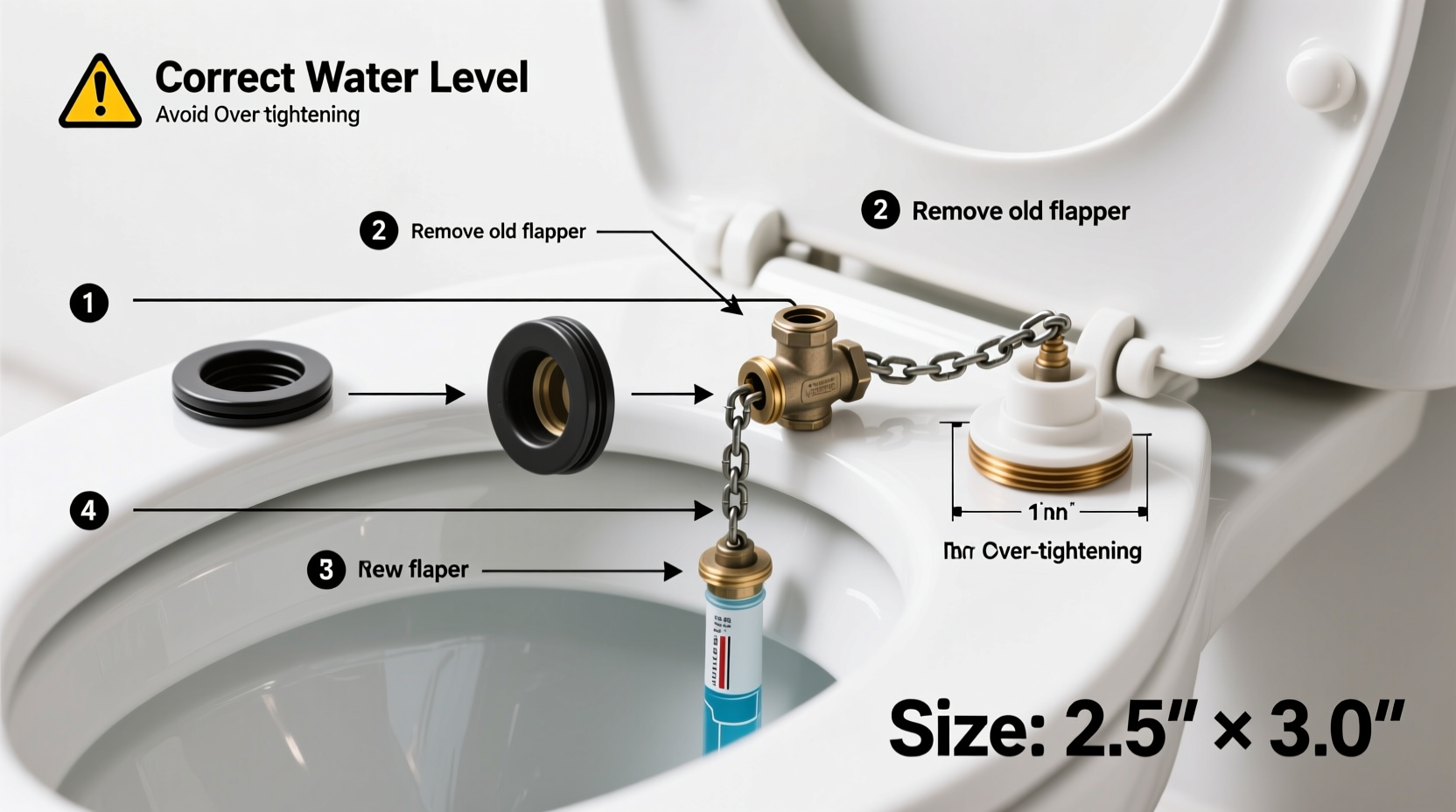
The flapper is a rubber seal at the bottom of the toilet tank that lifts when you flush, allowing water to flow into the bowl. Over time, exposure to chlorine and mineral deposits in water degrades the rubber, causing warping, cracking, or loss of flexibility. A compromised flapper won’t create a proper seal, leading to constant or intermittent leaks into the bowl.
Common signs of a failing flapper include:
- Water trickling into the bowl after flushing
- Hearing the tank refill randomly throughout the day
- Visible condensation or dampness around the base of the toilet
- A hissing or gurgling sound from the tank
Most manufacturers recommend replacing flappers every 4–5 years, even if no symptoms are present. Regular inspection during routine cleaning can catch issues early.
Tools and Materials You’ll Need
You don’t need advanced plumbing skills or expensive tools. Everything required for a successful flapper replacement is affordable and widely available at hardware stores or online.
| Item | Purpose | Notes |
|---|---|---|
| New flapper (universal or model-specific) | Replaces the old, leaking seal | Match size and chain type to your flush valve |
| Sponge or rag | Wipe down tank interior | Helps remove sediment and algae |
| Adjustable pliers (optional) | Remove stubborn connectors | Only needed if fittings are tight |
| Gloves | Keep hands clean and protected | Rubber gloves resist water and grime |
| Bucket | Catch residual water | Useful if draining tank completely |
“Over 90% of toilet leaks stem from the flapper or fill valve. Replacing a flapper is one of the easiest ways homeowners can conserve water.” — National Association of Home Builders (NAHB)
Step-by-Step Guide to Replacing Your Toilet Flapper
Follow these clear, sequential steps to replace your toilet flapper safely and effectively.
- Turn off the water supply. Locate the shutoff valve on the wall behind the toilet and turn it clockwise until tight. Flush the toilet to drain most of the water from the tank.
- Unhook the chain. Detach the metal or plastic clip connecting the flapper chain to the flush lever arm. Set the chain aside.
- Remove the old flapper. Unclip the ears or tabs of the flapper from the overflow tube posts. Some models slide off; others require gentle prying. Note how it was positioned for reference.
- Clean the flush valve seat. Use a soft cloth or sponge to wipe the rubber sealing surface at the bottom of the tank. Remove any mineral buildup or debris that could prevent a tight seal.
- Install the new flapper. Align the new flapper’s ears with the pegs on the flush valve. Press firmly until they snap into place. Ensure the flapper hangs evenly and doesn’t twist.
- Reconnect the chain. Reattach the chain to the flush lever arm, leaving about 1/4 inch of slack. Too much slack delays flushing; too little prevents the flapper from closing fully.
- Turn the water back on. Slowly open the shutoff valve and let the tank refill. Watch for leaks around the flapper or connections.
- Test the flush mechanism. Flush several times to confirm smooth operation. The flapper should lift cleanly and reseat tightly without sticking.
Choosing the Right Flapper: Universal vs. Brand-Specific
Not all flappers are interchangeable. While universal models fit many toilets, some brands like Kohler, Toto, or American Standard use proprietary designs. Using the wrong flapper leads to poor sealing and premature failure.
To find the correct replacement:
- Check the manufacturer and model number inside the tank (often stamped near the fill valve).
- Take the old flapper to the store for visual matching.
- Measure the flush valve opening—most are either 2-inch or 3-inch diameter.
- Consider an adjustable flapper with dual-chain settings for fine-tuning performance.
Real Example: How One Homeowner Prevented $150 in Monthly Water Waste
Jamie L., a homeowner in Portland, noticed her water bill jumped from $65 to $120 over two months. No visible leaks were found, but she heard the toilet refilling frequently. After performing a dye test, she confirmed a slow leak. She replaced the flapper—a $7 part—for less than 20 minutes of effort. The random refills stopped immediately. Her next water bill dropped back to $68. By catching the issue early, Jamie saved over $500 annually and prevented potential floor damage from prolonged moisture exposure.
Prevent Future Leaks: Maintenance Checklist
Regular maintenance ensures your toilet remains efficient and leak-free. Use this checklist monthly or quarterly:
- ✅ Perform a dye test to check for silent leaks
- ✅ Inspect the flapper for warping, brittleness, or discoloration
- ✅ Clean the flush valve seat and flapper surface
- ✅ Verify chain has proper tension—no sagging or binding
- ✅ Check for condensation or pooling water around the base
- ✅ Replace flapper every 4–5 years, even if no issues appear
Frequently Asked Questions
Can I replace a flapper without turning off the water?
Technically yes, but not recommended. Turning off the water prevents spills, accidental flooding, and allows you to fully inspect the valve seat. It also gives you time to work without constant dripping.
Why does my new flapper still leak?
Common causes include improper chain tension, misalignment, or a dirty flush valve seat. Double-check that the flapper seals evenly and that no debris is trapped underneath. Also ensure the flapper matches your flush valve size.
Are there eco-friendly flapper options?
Yes. Some flappers are made from non-toxic, biodegradable rubber compounds. Additionally, dual-flush conversion kits often include high-efficiency flappers that reduce water usage per flush by up to 20%.
Final Thoughts: Small Fix, Big Impact
Replacing a toilet flapper is one of the simplest yet most impactful home maintenance tasks. It costs less than $10, takes less than half an hour, and can save thousands of gallons of water each year. Beyond financial savings, fixing leaks supports sustainable water use and protects your home from moisture-related damage. Don’t wait for a spike in your water bill or visible puddles—stay proactive. Inspect your toilet today, and if needed, install a new flapper with confidence using this guide.




 浙公网安备
33010002000092号
浙公网安备
33010002000092号 浙B2-20120091-4
Comments
No comments yet. Why don't you start the discussion?