
The Shark Navigator series is known for its powerful suction, lightweight design, and user-friendly features. One of the most important components that keeps it running efficiently is the dust cup—the removable container that collects dirt, debris, and allergens during cleaning. Over time, a dirty or clogged dust cup can reduce suction power, strain the motor, and even release particles back into the air. Regular maintenance isn’t just about cleanliness—it’s essential for performance and longevity. This guide walks you through every step of safely emptying and thoroughly cleaning your Shark Navigator dust cup, so your vacuum continues to work like new.
Why Cleaning Your Dust Cup Matters
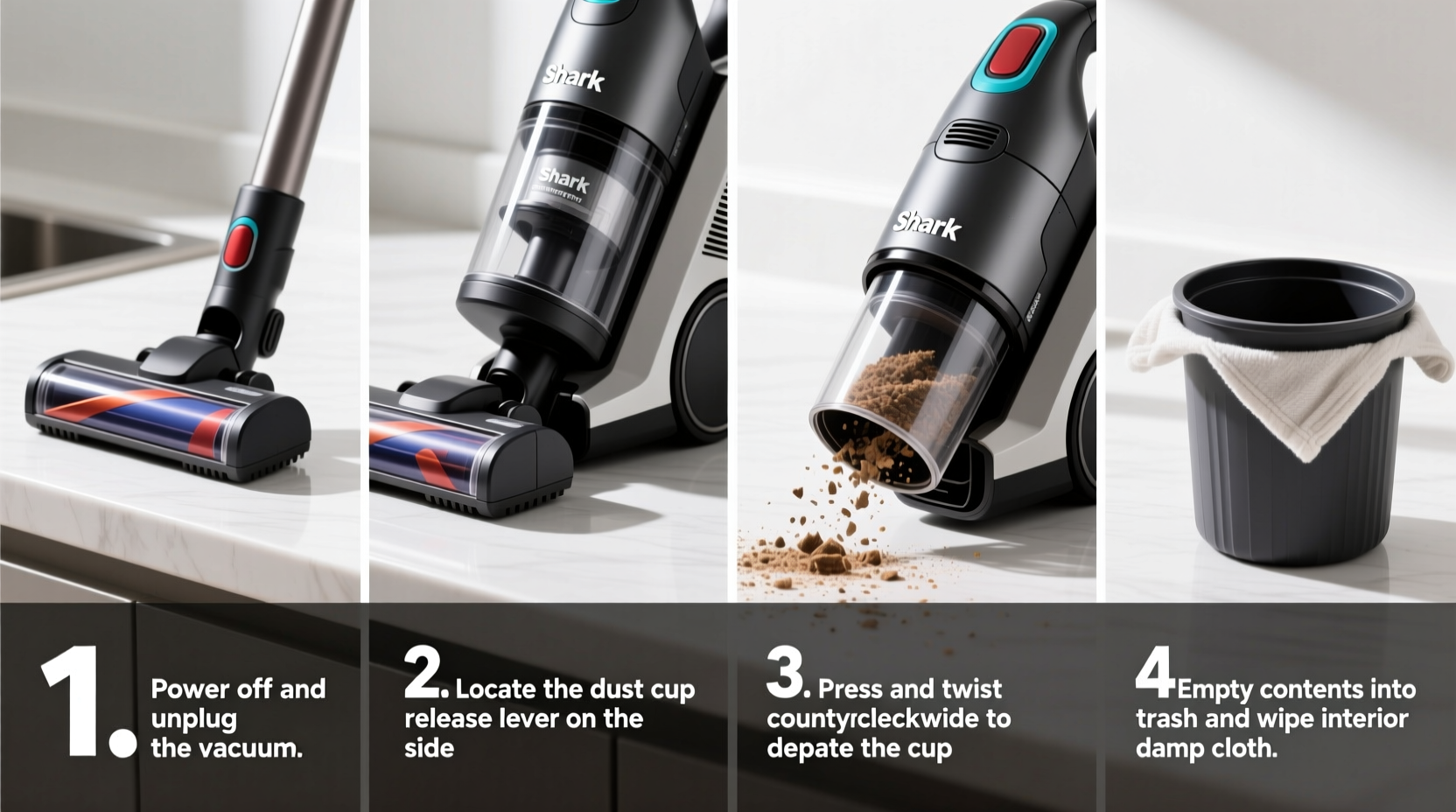
Many users overlook the dust cup until suction noticeably drops. But waiting until performance declines means your vacuum has likely been working harder than necessary. A full or dirty dust cup restricts airflow, forcing the motor to compensate. This added strain can shorten the lifespan of internal components. Beyond mechanical wear, a neglected dust cup becomes a breeding ground for dust mites, mold, and bacteria—especially if pet hair, food crumbs, or damp debris are present.
According to the Asthma and Allergy Foundation of America, indoor air can be two to five times more polluted than outdoor air. A clean vacuum ensures allergens are captured—not recirculated. Routine dust cup care supports both appliance efficiency and household health.
Step-by-Step Guide to Emptying the Dust Cup
Emptying the dust cup should be quick and mess-free when done correctly. Follow these steps to avoid scattering dust or exposing yourself to allergens.
- Turn off and unplug the vacuum. Safety first—never handle internal components while the unit is powered.
- Remove the dust cup assembly. On most Shark Navigator models, press the release button near the base of the dust cup and pull it straight down. It detaches easily from the body of the vacuum.
- Hold over a trash can outdoors or in a well-ventilated area. Avoid doing this over carpet or near HVAC vents to prevent recontamination.
- Press the bottom release latch. Most models have a red or gray button on the bottom of the cup. Press it to open the door and dump contents directly into the trash.
- Tap gently to dislodge stuck debris. If fine dust clings to the sides, lightly tap the cup or use a dry microfiber cloth to wipe loose particles.
- Reattach the dust cup. Ensure it clicks securely back into place before using the vacuum again.
This process takes less than a minute but makes a significant difference in maintaining consistent cleaning power.
Deep Cleaning the Dust Cup: When and How
While emptying should happen frequently, deep cleaning is recommended every 1–2 months—or sooner if you’ve vacuumed spills, pet messes, or sticky substances. Residue buildup can harbor odors and block airflow sensors.
What You’ll Need:
- Mild dish soap
- Lukewarm water
- Soft sponge or brush (non-abrasive)
- Clean towel
- Dry, well-ventilated space
Cleaning Steps:
- Remove the dust cup as described above.
- Disassemble if possible. Some models allow you to remove the filter housing or cyclonic chamber cover. Consult your user manual for model-specific guidance.
- Rinse the cup under lukewarm water. Do not submerge any part with electronic sensors or motors.
- Apply a small amount of dish soap to a soft sponge and gently scrub the interior. Focus on corners and crevices where dust compacts.
- Rinse thoroughly until water runs clear.
- Wipe the exterior with a damp cloth. Avoid getting moisture into air vents or electrical contacts.
- Let the cup air-dry completely—preferably overnight. Never reassemble or use a damp dust cup, as moisture can damage the motor or promote mold growth.
- Reinstall once fully dry.
“Vacuum maintenance is often overlooked, but cleaning the dust cup regularly can improve efficiency by up to 30%.” — James Reed, Appliance Engineer and Home Care Specialist
Do’s and Don’ts of Dust Cup Maintenance
| Do | Don’t |
|---|---|
| Empty after each use or when half-full | Wait until the cup is completely full |
| Use mild soap and lukewarm water for cleaning | Use bleach, harsh chemicals, or abrasive scrubbers |
| Air-dry completely before reassembling | Reinstall a wet or damp cup |
| Check for hair wrap around the cyclone mechanism monthly | Ignore tangled debris inside the chamber |
| Follow manufacturer instructions for disassembly | Force parts apart or modify the design |
Real Example: How One User Restored Lost Suction
Sarah from Portland noticed her Shark Navigator wasn’t picking up pet hair like it used to. She changed the filter and checked for hose blockages, but nothing helped. Then she remembered reading about dust cup residue. After removing the cup, she discovered a thick layer of compacted fur and fine dust coating the inner walls—especially around the air intake. She washed it with warm, soapy water, let it dry overnight, and reassembled it the next day. The difference was immediate: suction returned to full strength, and the vacuum no longer made a strained noise. Sarah now cleans her dust cup monthly, regardless of visible fullness, and reports her vacuum feels “like new” even after three years of daily use.
Frequently Asked Questions
Can I put the dust cup in the dishwasher?
No. While some users attempt this, dishwashers expose plastic components to high heat and strong detergents that can warp or degrade the cup. Hand washing with mild soap and water is the safest method.
How often should I replace the dust cup?
The dust cup itself rarely needs replacement unless cracked or damaged. However, inspect it periodically for cracks, warping, or worn seals. Most Shark dust cups last the lifetime of the vacuum with proper care.
Why does my dust cup smell bad?
Odors usually come from trapped organic matter—pet dander, food crumbs, or moisture. Deep clean the cup and ensure it dries fully between uses. For persistent smells, wipe the interior with a cloth dampened with white vinegar, then rinse and dry thoroughly.
Essential Maintenance Checklist
- ✅ Empty dust cup after each use or when half-full
- ✅ Inspect for hair tangles or debris monthly
- ✅ Wash with mild soap and water every 4–8 weeks
- ✅ Allow complete air-drying before reassembly
- ✅ Check for cracks or damage during cleaning
- ✅ Refer to user manual for model-specific details
Conclusion: Small Effort, Big Results
Emptying and cleaning your Shark Navigator dust cup is one of the simplest yet most impactful maintenance tasks you can perform. It takes only minutes but preserves suction, extends motor life, and improves indoor air quality. By making this a routine habit—just like charging your phone or loading the dishwasher—you protect your investment and keep your home cleaner with every pass. Don’t wait for warning signs. Start today, and feel the difference a well-maintained vacuum makes.




 浙公网安备
33010002000092号
浙公网安备
33010002000092号 浙B2-20120091-4
Comments
No comments yet. Why don't you start the discussion?