
Grooming your dog isn’t just about appearance—it’s a vital part of their health and well-being. Regular brushing, bathing, nail trimming, and ear cleaning prevent skin issues, matting, infections, and discomfort. While professional groomers offer excellent service, learning to groom your dog at home saves money, reduces stress for your pet, and strengthens your bond. With the help of structured routines and accessible video tutorials, even first-time owners can master essential grooming techniques.
Why Home Grooming Matters
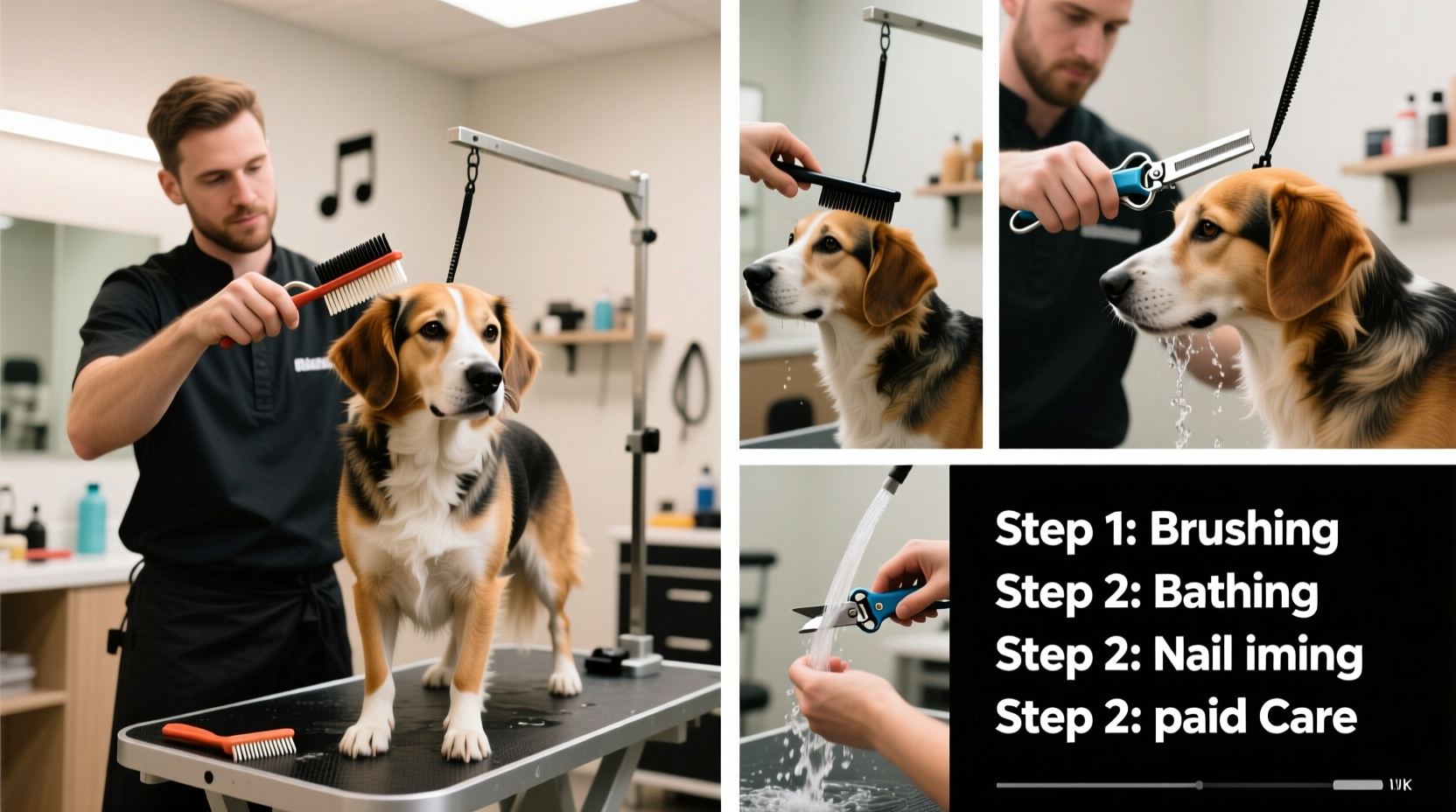
Dogs that are regularly groomed at home tend to be more relaxed during vet visits and professional grooming sessions. Familiarity with handling—touching paws, ears, and mouth—makes routine care easier and less stressful. Additionally, frequent grooming allows you to spot early signs of skin irritation, lumps, parasites, or infections before they become serious.
Home grooming also helps maintain your dog’s coat condition between salon visits. Breeds like Poodles, Shih Tzus, and Huskies require consistent maintenance to avoid painful mats and tangles. By integrating grooming into your weekly routine, you keep your dog comfortable and healthy year-round.
Essential Grooming Tools You’ll Need
Before diving into technique, gather the right tools. Using improper equipment can cause discomfort or injury. Here’s a checklist of basic supplies tailored to most coat types:
- Slicker brush (for removing tangles and loose fur)
- Pinning comb (ideal for long-haired breeds)
- Dematting tool (use with caution on mild mats only)
- Dog-safe shampoo and conditioner
- Nail clippers or grinder
- Cotton balls and ear cleaning solution
- Non-slip mat for tub or sink
- Absorbent towels or a dog hair dryer (low heat setting)
Invest in quality tools—they last longer and perform better. Avoid human shampoos, which disrupt your dog’s natural pH balance and can lead to dryness or irritation.
Step-by-Step Grooming Routine with Video Guidance
Follow this five-stage process to groom your dog thoroughly and safely. Each stage aligns with beginner-friendly video tutorials available on trusted platforms like YouTube channels from AKC or Petco Academy.
- Brush Thoroughly Before Bathing
Begin with a full-body brush to remove loose hair and detangle fur. Work in sections, starting from the head and moving toward the tail. For double-coated breeds, use an undercoat rake after slicker brushing. This prevents mats from tightening when wet—a common cause of skin irritation.
Video Tip: Search “how to brush a matted dog coat” for visual demonstrations on gentle detangling. - Bathe with Dog-Safe Products
Wet your dog completely with lukewarm water. Apply shampoo evenly, avoiding eyes and ears. Massage gently into the coat, focusing on odor-prone areas like paws, underbelly, and tail base. Rinse thoroughly—residue causes itching. Follow with conditioner if needed, especially for curly or thick coats.
Video Tip: Look up “dog bath step by step for beginners” to see proper water temperature and rinsing techniques. - Dry Completely and Brush Again
Towel-dry your dog first, then use a low-heat blow dryer while brushing in the direction of hair growth. Complete drying prevents dampness-related fungal infections. Long-haired dogs benefit from sectioned drying to prevent new tangles.
Video Tip: Watch “how to dry a dog without creating mats” for best practices. - Trim Nails Safely
Hold each paw firmly and clip only the tip of the nail, avoiding the pink quick (which contains blood vessels). If unsure, trim small amounts at a 45-degree angle. For dark nails, use a flashlight to illuminate the quick. Alternatively, use a grinder for gradual shortening.
Video Tip: Search “how to cut black dog nails safely” for real-time guidance. - Clean Ears and Check Skin
Soak a cotton ball with vet-approved ear cleaner and gently wipe the outer ear canal. Never insert anything deep into the ear. Inspect for redness, odor, or discharge—signs of infection. While cleaning, run hands over the body to check for lumps, bumps, or sore spots.
Do’s and Don’ts of At-Home Dog Grooming
| Do’s | Don’ts |
|---|---|
| Brush your dog several times a week, especially long-haired breeds | Wait until mats are severe before brushing |
| Use positive reinforcement throughout the process | Yank or pull through tangles aggressively |
| Introduce tools gradually (e.g., let your dog sniff clippers first) | Use human shampoo or harsh soaps |
| Trim nails every 3–4 weeks | Cut into the quick; have styptic powder ready just in case |
| Watch for behavioral cues (whining, shaking) indicating stress | Force your dog to stay still if overly anxious—pause and retry later |
Real-Life Example: Grooming a Rescue Terrier Mix
Sarah adopted Max, a two-year-old terrier mix, from a shelter. He was shy and flinched when touched. His coat was patchy with minor matting behind the ears. Instead of scheduling a full groom, Sarah started slow: five-minute brushing sessions with treats. She followed online videos showing how to desensitize nervous dogs to clippers. Over three weeks, she introduced each grooming step one at a time. By week six, Max stood calmly during nail trims and even enjoyed his weekly brush-out. Today, Sarah grooms him entirely at home and shares her journey on social media to encourage other adopters.
“Grooming is preventive medicine. A well-groomed dog is not only cleaner but healthier and happier.” — Dr. Linda Chen, DVM, Canine Dermatology Specialist
Frequently Asked Questions
How often should I groom my dog at home?
Frequency depends on breed and coat type. Short-haired dogs (e.g., Beagles) need brushing once a week and bathing every 2–3 months. Long or curly-coated breeds (e.g., Maltese, Bichon Frise) require brushing 3–4 times weekly and bathing every 4–6 weeks. Nail trims should occur every 3–4 weeks for all dogs.
Can I use scissors to trim my dog’s fur?
Yes, but only with blunt-tipped grooming scissors designed for pets. Never use kitchen or craft scissors. Focus on sanitary trims—around the eyes, paws, and rear. For full haircuts, consult a professional or follow detailed breed-specific video guides.
What if my dog hates being groomed?
Start with minimal handling—just touching paws and ears—and reward calm behavior. Use high-value treats and keep sessions under five minutes. Pair grooming with something pleasant, like a favorite toy or post-groom walk. Consistency builds trust over time.
Conclusion: Build Confidence Through Practice
Grooming your dog at home becomes easier with repetition and the right resources. Leverage free, high-quality video tutorials to visualize each step—from brushing to nail care—and adapt them to your dog’s temperament and coat needs. With patience and positive reinforcement, you’ll create a stress-free routine that supports your dog’s health and comfort.




 浙公网安备
33010002000092号
浙公网安备
33010002000092号 浙B2-20120091-4
Comments
No comments yet. Why don't you start the discussion?