
Swapping your watch strap can transform the look and feel of your timepiece in seconds. The four leaf leather watch strap—known for its refined stitching, soft texture, and elegant tapered design—has become a favorite among watch enthusiasts seeking both comfort and sophistication. But even the most beautiful strap is useless if you can’t install it properly. Whether you're upgrading from a metal bracelet or refreshing an old leather band, this detailed guide walks you through every stage of installing a four leaf leather watch strap with precision and confidence.
Understanding the Four Leaf Design
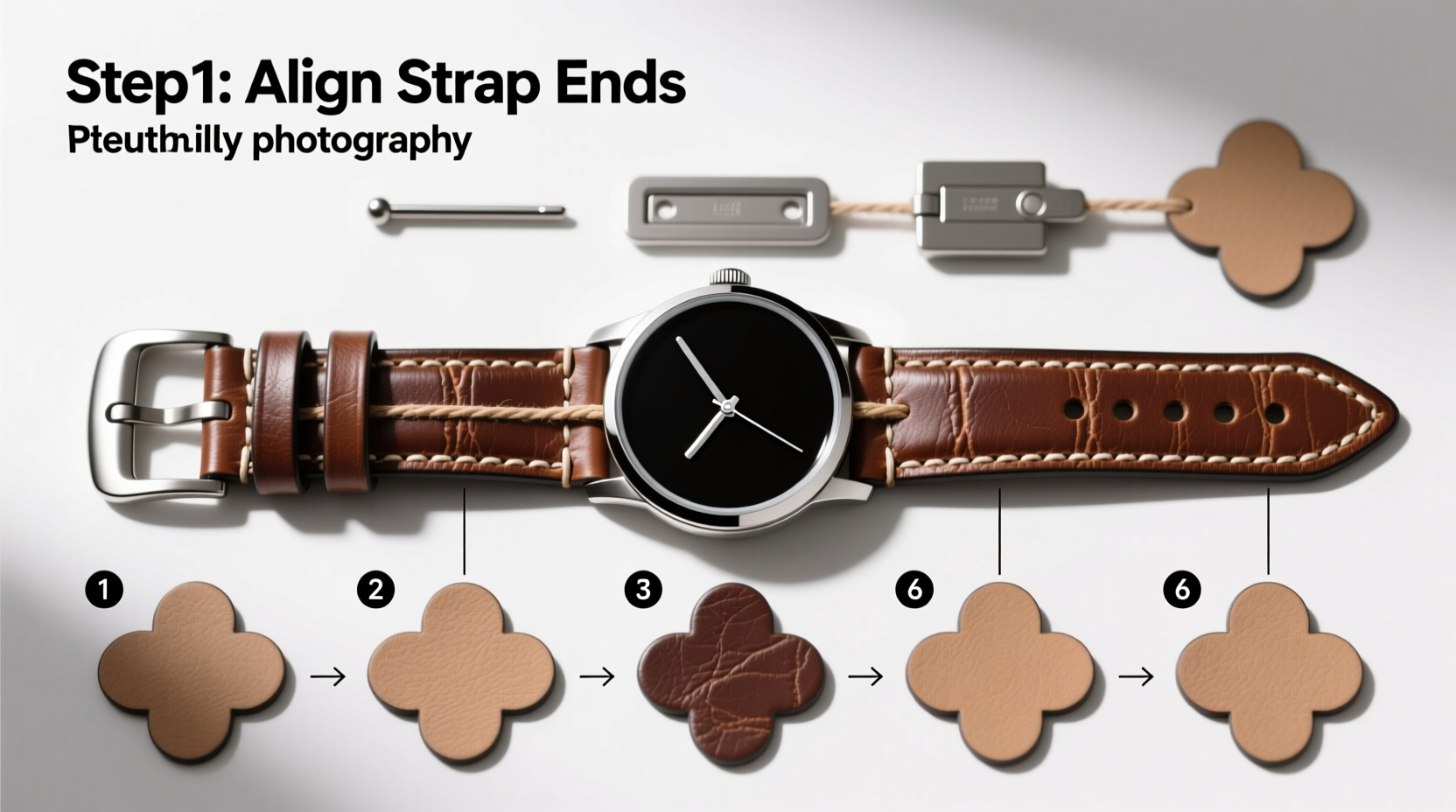
The term “four leaf” refers not to luck, but to the strap’s construction: it typically features four distinct layers or segments at the lugs—the parts that attach to the watch case. These include two outer leather flaps and two inner spring bar retainers, creating a seamless transition between the watch head and the strap. This design enhances durability and ensures a snug, wobble-free fit.
Most four leaf straps are made from full-grain or top-grain leather, offering natural breathability and aging beautifully over time. They usually come equipped with standard spring bars (typically 18mm, 20mm, or 22mm), so compatibility with your watch depends on matching these measurements.
What You’ll Need
One of the advantages of installing a four leaf leather strap is that it rarely requires specialized tools—especially if your current strap already uses spring bars. Here’s what you should have on hand:
- A clean, well-lit workspace
- Fine-tipped tweezers or a small flathead screwdriver (optional)
- Sprong bar removal tool (highly recommended for frequent changes)
- Cleaning cloth to protect the watch case and hands
- The new four leaf leather strap with included spring bars (if not pre-installed)
If your new strap doesn’t come with spring bars, make sure to purchase ones that match your lug width and thickness (standard is 1.8mm or 2.0mm). Using incorrect sizes may damage the lugs or lead to accidental detachment.
Step-by-Step Installation Process
- Prepare Your Workspace
Choose a flat surface covered with a soft cloth or microfiber towel. This prevents scratches and keeps small parts from rolling away. - Remove the Existing Strap
Flip the watch over and locate the spring bar connecting the strap to the lugs. Insert the forked end of a spring bar tool into the gap between the spring bar and the lug. Gently press inward to compress the spring bar, then slide the strap end off. Repeat on the other side. If using tweezers or a screwdriver, do so carefully to avoid slipping and damaging the case. - Inspect the New Strap and Spring Bars
Check that the spring bars are correctly seated in the four leaf ends. Some premium straps come with them pre-installed; others require insertion. Push each end of the spring bar into the hollow tube inside the strap’s attachment point until it clicks securely into place. - Align the New Strap with the Watch Lugs
Holding the watch vertically, position one end of the strap so the spring bar aligns with the lug hole. Angle it slightly upward and gently push until the bar slides halfway into the lug. Hold firm pressure to keep it in place. - Engage the Second Side
While maintaining tension on the first side, compress the free end of the spring bar and guide it into the opposite lug. You’ll feel a slight snap when it seats properly. Wiggle the strap gently to confirm it’s locked in place on both sides. - Final Adjustment and Fit Check
Once installed, rotate the strap to ensure smooth movement and even alignment. There should be no lateral play or twisting. The taper of the four leaf design should flow naturally from the lugs to the buckle.
Do’s and Don’ts When Installing Leather Straps
| Do’s | Don’ts |
|---|---|
| Use a spring bar tool designed for watches | Never use excessive force when inserting or removing bars |
| Clean your hands before handling the strap | Avoid exposing leather to water during installation |
| Double-check lug width compatibility | Don’t leave sharp tools near the watch crystal |
| Store spare spring bars in a labeled container | Never pry open spring bars with pliers |
Real-Life Example: Upgrading a Vintage Dress Watch
Consider Mark, a collector of vintage Omega dress watches. He recently acquired a 1960s Constellation that came on a worn nylon strap. Wanting to restore its original elegance, he selected a dark brown four leaf strap with contrast stitching. Following the steps above, he removed the old strap using a $10 spring bar tool purchased online. After verifying the lug width was 18mm, he inserted the pre-loaded spring bars into the new strap. Within six minutes, the transformation was complete. The rich leather complemented the sunburst dial, and the slim profile hugged his wrist comfortably. “It looks like it was born with this strap,” he said. “The four leaf design just fits seamlessly.”
“Proper strap installation isn’t just about function—it’s about honoring the craftsmanship of the watch itself.” — Daniel Reyes, Horology Conservator at The Time Archive
Common Questions About Four Leaf Leather Straps
Can I install a four leaf strap without any tools?
Yes, it’s possible using only your fingers, especially if the spring bars are loose-fitting. However, doing so increases the risk of scratching the case or pinching your skin. A dedicated tool costs under $15 and makes the process faster and safer.
How long should a leather watch strap last?
With regular rotation and care, a quality four leaf leather strap can last 6–12 months. Exposure to sweat, sunlight, and moisture shortens lifespan. Avoid wearing leather straps while swimming or exercising.
Why does my new strap squeak when I move my wrist?
This is common with stiff, new leather. The sound usually disappears after a few days of wear as the material breaks in. Applying a tiny amount of leather conditioner to the underside (not near the stitching) can help soften it faster.
Final Checklist Before Wearing
- ✅ Spring bars fully seated and secure
- ✅ No visible gaps between lugs and strap ends
- ✅ Strap lies flat against the wrist without twisting
- ✅ Buckle functions smoothly and closes securely
- ✅ Watch face and crystal are free of fingerprints or smudges
Conclusion: Elevate Your Watch Experience
Installing a four leaf leather watch strap is more than a simple accessory swap—it’s a statement of personal style and attention to detail. With the right preparation and technique, you can achieve a professional-quality fit in under ten minutes. Once secured, the supple leather will conform to your wrist, developing a unique patina that tells the story of your daily journey. Whether dressing up for an evening out or adding warmth to a business ensemble, a well-installed four leaf strap enhances both comfort and aesthetics.




 浙公网安备
33010002000092号
浙公网安备
33010002000092号 浙B2-20120091-4
Comments
No comments yet. Why don't you start the discussion?