
Overwatering is one of the leading causes of houseplant death. Without proper drainage, roots sit in stagnant water, leading to rot and fungal growth. While traditional planters with pre-drilled holes solve this issue, many decorative pots lack them—and drilling isn’t always an option, especially if you’re renting or working with delicate materials like ceramic or glass. That’s where no-drill drainage holders come in. These innovative solutions allow excess water to escape without damaging your container, preserving both plant health and aesthetic appeal.
This guide walks you through selecting, installing, and maintaining a no-drill drainage system that keeps your plants thriving—without ever touching a power tool.
Why No-Drill Drainage Matters
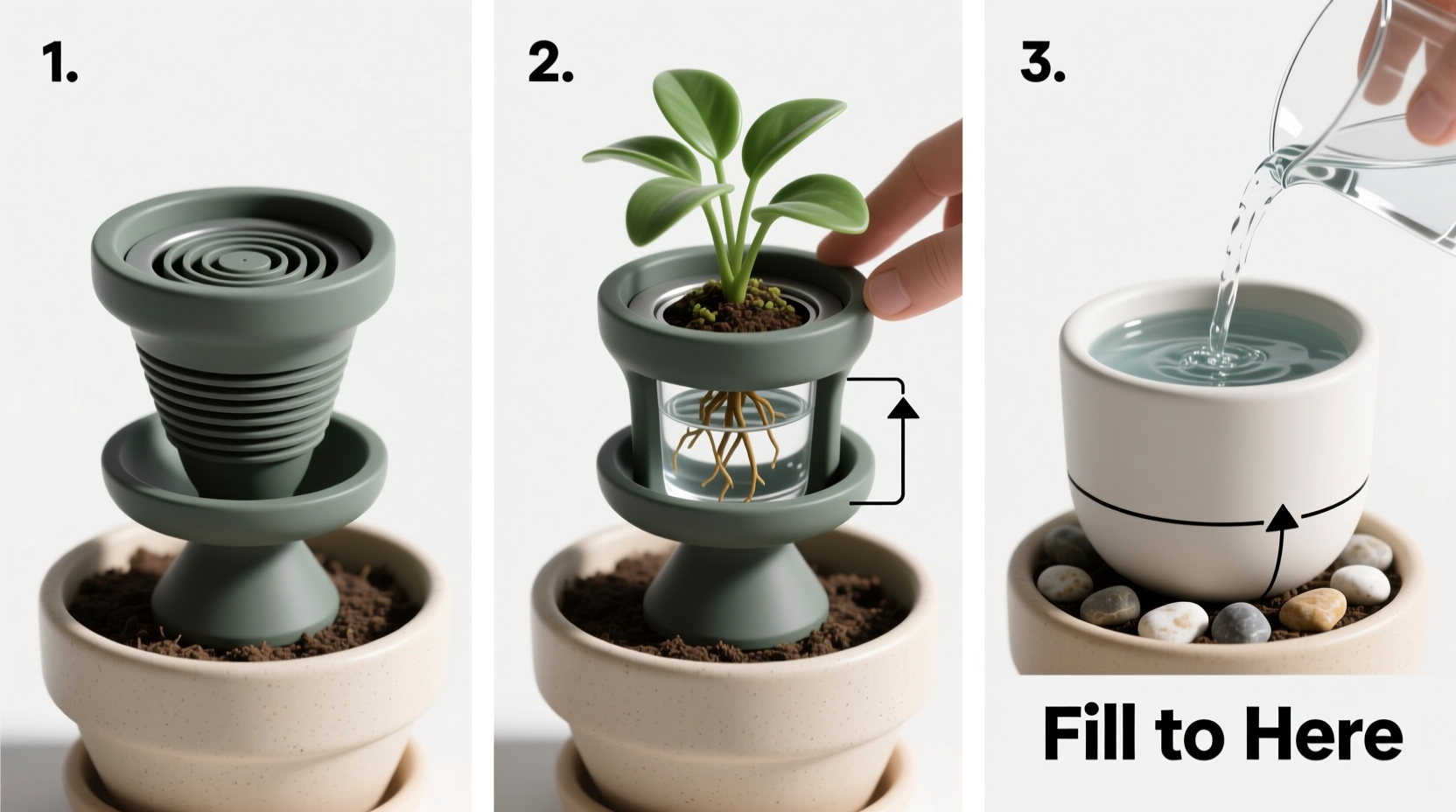
Healthy roots need oxygen as much as they need water. When soil remains saturated, air pockets collapse, suffocating roots and inviting pathogens. A well-designed drainage system prevents this by allowing excess water to exit the pot while retaining moisture where it’s needed.
No-drill options are ideal for:
- Renters who can’t modify furniture or fixtures
- Preserving the integrity of expensive or fragile planters
- Temporary setups like office greenery or seasonal displays
- Moving plants frequently without risking leaks
“Plants don’t die from lack of care—they die from overcare. Proper drainage is the single most effective way to prevent root rot.” — Dr. Lena Patel, Urban Horticulturist at GreenSpace Labs
Choosing the Right No-Drill Drainage Holder
Not all no-drill systems work the same way. The best choice depends on your planter type, plant size, and watering habits. Below is a comparison of common options:
| Type | How It Works | Best For | Lifespan |
|---|---|---|---|
| Suction Cup Drain Trays | Attaches to inner wall; channels water to outer reservoir | Smooth-sided pots (glass, glazed ceramic) | 6–12 months |
| Adjustable Floating Wicks | Wicks pull excess moisture into external collection tray | Small to medium pots, low-light plants | Indefinite (replace wick every 3–6 months) |
| Internal Mesh Baskets | Removable liner with perforated base sits inside main pot | Frequent movers, mixed plant collections | 2+ years |
| Gravity Overflow Tubes | Silicone tube runs from soil level to outside edge | Tall, narrow pots with deep soil | 1–2 years |
Step-by-Step Installation Guide
Follow these steps to install a suction cup drainage tray—the most accessible and widely compatible no-drill solution.
- Clean the Interior Surface: Use rubbing alcohol and a lint-free cloth to wipe the inside of the pot where the suction cup will attach. This removes oils and dust that interfere with grip.
- Determine Water Level: Pour water into the empty pot up to where you expect the soil line. Mark this height lightly with a pencil or tape.
- Position the Drain Tray: Align the tray so its intake slot sits just below the soil line. Most models have adjustable arms to fit various diameters.
- Attach the Suction Cup: Press firmly on the suction base for 30 seconds to create a vacuum seal. Avoid touching the rim during installation.
- Test the System: Pour half a cup of water into the pot above the tray. Observe whether water flows into the reservoir without leaking down the sides.
- Add Your Inner Pot or Soil: Place a porous nursery pot (plastic or terracotta) on top of the tray, or fill directly with soil, ensuring roots won’t block the inlet.
- Monitor After First Watering: Check the reservoir after 20 minutes. Empty it if full to prevent overflow and salt buildup.
Common Mistakes and How to Avoid Them
Even simple systems fail when installed incorrectly. Here are frequent errors and their fixes:
- Mistake: Installing the tray too high.
Solution: Water must reach the intake. Position the tray so the bottom edge aligns with the expected saturation zone—about 1 inch above the pot base. - Mistake: Overlooking mineral buildup.
Solution: Hard water leaves calcium deposits that clog drains. Rinse the tray monthly with white vinegar and rinse thoroughly. - Mistake: Using only decorative gravel at the bottom.
Solution: Gravel alone doesn’t provide active drainage. Pair it with a functional holder to move water away from roots.
“Many people think adding stones helps drainage. In reality, it creates a perched water table. You need movement, not just space.” — Carlos Mendez, Sustainable Landscape Designer
Real Example: Reviving a Struggling Fiddle Leaf Fig
Sophia, a plant enthusiast in Chicago, loved her large fiddle leaf fig but kept losing leaves despite regular watering. Her sleek black ceramic pot looked great but had no drainage. After two failed attempts (including drilling, which cracked the base), she tried a suction cup tray.
Within three weeks, new growth appeared. She credits the change to consistent root zone dryness. “I used to worry about underwatering,” she said. “Now I know the reservoir holds extra, and my plant takes what it needs.”
She empties the tray weekly and cleans it bi-monthly. Two years later, the same system still functions flawlessly.
Maintenance Checklist
To ensure long-term success, follow this monthly routine:
- ✅ Inspect suction seals for looseness or cloudiness
- ✅ Empty and rinse the reservoir
- ✅ Clean intake slots with a soft brush
- ✅ Rotate the pot to check for hidden mold or moisture traps
- ✅ Replace wicks or tubes if discolored or stiff
Frequently Asked Questions
Can I use a no-drill system with outdoor pots?
Yes, but choose UV-resistant models made from silicone or stainless steel. Suction cups may degrade faster in direct sunlight, so check seals monthly during summer.
Will this work for large trees like monsteras or olives?
Absolutely. For heavy plants, opt for internal mesh baskets or gravity overflow tubes that handle higher water volumes. Avoid relying solely on small suction trays for pots over 14 inches in diameter.
Do I still need to monitor watering frequency?
Yes. While these systems manage excess water, they don’t eliminate the need for mindful watering. Always check soil moisture before adding more water—even with perfect drainage, chronic overwatering stresses plants.
Final Thoughts: Healthier Plants Start from the Roots Up
A no-drill drainage holder isn’t just a convenience—it’s a commitment to smarter plant care. By preventing root rot, reducing maintenance stress, and protecting your favorite containers, this small upgrade delivers lasting benefits. Whether you're nurturing a single succulent or curating a full indoor jungle, proper drainage is non-negotiable for vitality.
The best part? Installation takes less than ten minutes, requires zero tools, and can be reversed anytime. No risk, all reward.




 浙公网安备
33010002000092号
浙公网安备
33010002000092号 浙B2-20120091-4
Comments
No comments yet. Why don't you start the discussion?