
Sleek, textured, and instantly eye-catching—snake skin weave phone cases have become a favorite among style-conscious smartphone users. Beyond their fashion-forward appeal, these cases offer surprising durability due to their tightly woven synthetic or TPU-based construction. However, the real benefit comes not just from owning one, but from installing it correctly. A poorly applied weave case can peel, misalign, or lose its grip over time. This comprehensive guide walks you through every phase of installation, maintenance, and optimization to ensure your snake skin weave case delivers both long-term protection and lasting style.
Understanding Snake Skin Weave Cases
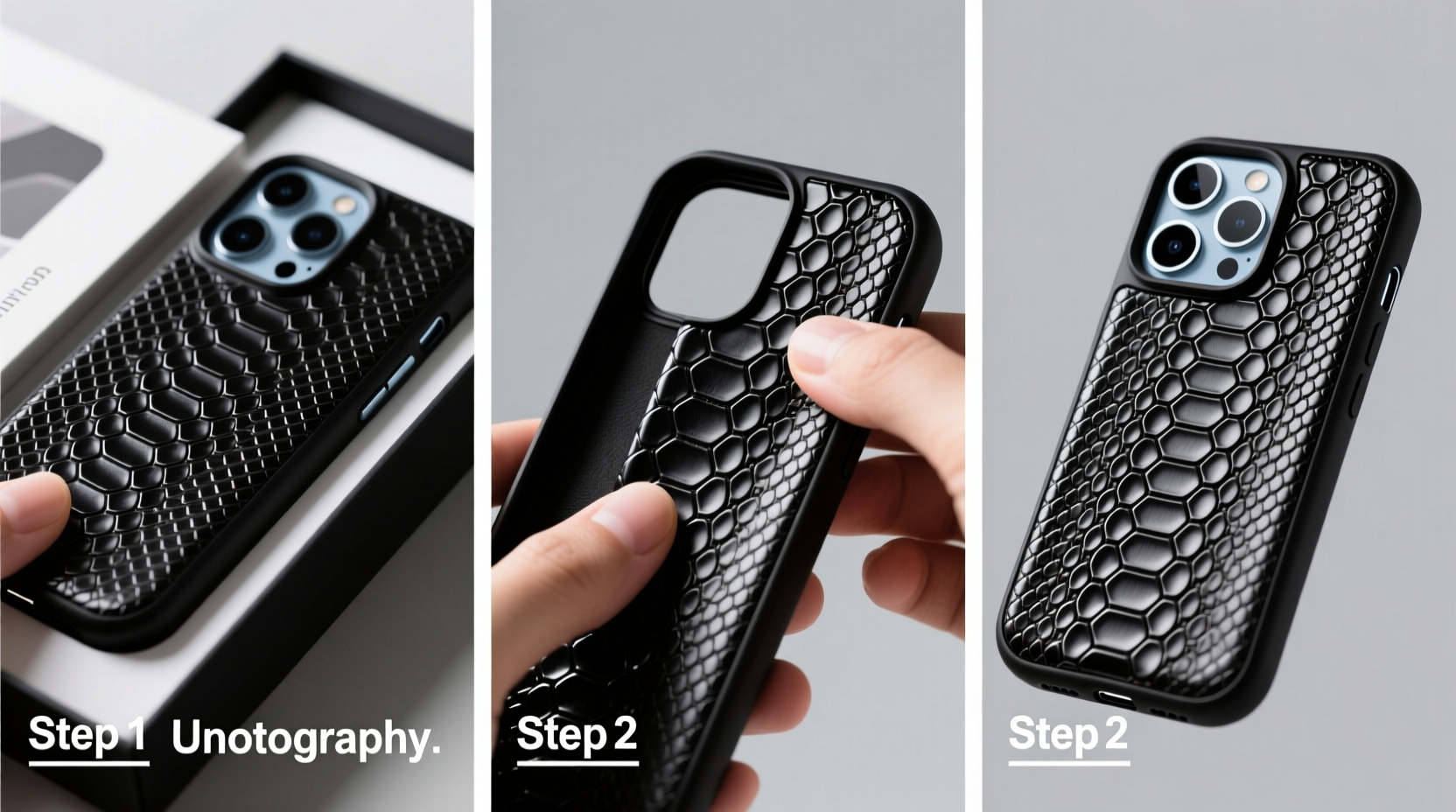
The term “snake skin weave” refers to a textured finish that mimics the scaly pattern of reptile skin, typically achieved through embossing or layered synthetic weaving techniques. Most modern versions use thermoplastic polyurethane (TPU) with a high-grip surface. Unlike glossy plastic or silicone cases, weave finishes provide enhanced resistance to scratches, drops, and daily wear while improving tactile control.
These cases are especially popular for flagship smartphones like the iPhone 15 series and Samsung Galaxy S24 models. Their hybrid design often combines a rigid internal frame with a flexible outer weave layer, offering shock absorption without sacrificing slimness.
“Proper installation is half the battle when it comes to maximizing case performance. Misalignment or trapped dust can compromise both fit and function.” — Jordan Lee, Mobile Accessory Engineer at TechShield Labs
Preparation: Setting the Stage for Flawless Installation
Before touching the case, preparing your phone and workspace ensures a clean, bubble-free application. Rushing this stage risks trapping lint, dust, or oils under the weave layer, which can lead to lifting edges or uneven texture over time.
What You’ll Need
- Clean microfiber cloth
- Isopropyl alcohol (70%) or screen-safe cleaner
- Cotton swabs
- Tweezers (optional)
- Well-lit, dust-free surface
- Power down your device completely.
- Wipe the entire surface of your phone using a microfiber cloth slightly dampened with isopropyl alcohol. Focus on edges and camera cutouts.
- Use a cotton swab to clean around ports, buttons, and speaker grilles where debris accumulates.
- Let the phone air dry for 60 seconds to evaporate any residual moisture.
- Lay the phone on a flat, clean surface with the screen facing down.
Step-by-Step Installation Process
Installing a snake skin weave case requires precision—not force. These cases are designed to fit snugly, but aggressive handling can stretch or warp the weave pattern permanently.
Step 1: Align the Case with Your Phone
Hold the case so the interior faces up. Match the top edge of your phone with the top opening of the case. Pay close attention to the camera module cutout and charging port alignment. The weave texture should run vertically (top to bottom), mimicking natural reptile scales.
Step 2: Insert the Top Edge First
Gently slide the top two corners of your phone into the upper portion of the case. Do not push straight down. Instead, angle the phone slightly and guide it in gradually. This prevents stress on the flexible TPU sides.
Step 3: Secure the Bottom Edge
Once the top is seated, carefully press the bottom edge downward. Apply even pressure across the width of the phone. You should hear a soft snap as the lower lip locks into place.
Step 4: Check Button Alignment and Cutouts
Test all physical controls—volume, power, mute switch (if applicable). They should move freely beneath the case’s button covers. If a button feels stiff or unresponsive, remove the case and reseat it. Misaligned buttons can wear out prematurely.
Step 5: Inspect for Gaps or Bubbles
Run your fingertip along all four edges. There should be no visible gaps or raised sections. If you feel a bump, gently lift the nearest corner and check for trapped debris. Clean and retry if necessary.
| Installation Step | Action | Common Mistake |
|---|---|---|
| Alignment | Match camera and port cutouts | Forcing phone in upside-down |
| Top Insertion | Slide in top corners first | Pushing straight down too hard |
| Bottom Locking | Press evenly across base | One-sided pressure causing twist |
| Button Test | Verify full range of motion | Ignoring stiffness as \"will loosen\" |
Maintenance Tips for Longevity and Appearance
A snake skin weave case looks best when kept clean and free of oils. Over time, fingerprints, sweat, and environmental grime can dull the texture and darken high-contact areas.
- Avoid oily surfaces: Don’t place your phone on kitchen counters or near lotions. Oils break down TPU over time.
- No heat exposure: Keep the phone away from direct sunlight, car dashboards, or saunas. Heat warps the weave structure.
- Rotate cases occasionally: Using multiple cases in rotation extends each one’s lifespan by reducing continuous wear.
Mini Case Study: How One User Extended Case Life by 8 Months
Marissa, a digital marketing consultant in Austin, TX, uses her iPhone daily for client calls, social media, and navigation. She installed a black snake skin weave case in January and noticed minor fraying near the charging port by April. After reading care guidelines, she began weekly cleanings and stopped placing her phone face-down on her moisturized hands. By switching to a secondary case every other week, she reduced wear significantly. As of December, her original case still fits perfectly and retains 90% of its original texture—far exceeding the average six-month lifespan reported by other users.
Frequently Asked Questions
Can I install a screen protector after putting on a snake skin weave case?
It’s better to install the screen protector first. Some weave cases have slightly raised bezels that can interfere with protector adhesion if applied afterward. Always protect the screen before casing the phone.
Will the weave texture fade or peel over time?
High-quality cases use embedded dye and UV-resistant coating, minimizing fading. However, constant friction (e.g., carrying in pockets with keys) accelerates wear. Avoid abrasive contact to preserve texture.
Is it safe to use compressed air to clean under the case edges?
No. Compressed air can force moisture or particles further under the case, potentially damaging ports or speakers. Use a soft brush or cotton swab instead.
Final Checklist Before You Finish
- Phone is powered off and fully cleaned
- Workspace is dust-free and well-lit
- Case is aligned correctly (camera cutout matches)
- Top corners inserted gently before bottom press
- All buttons respond smoothly
- No gaps or bubbles along edges
- Weekly cleaning routine scheduled
Conclusion: Style Meets Smart Protection
A snake skin weave phone case isn’t just an accessory—it’s a statement of personal style backed by functional defense. When installed with care and maintained consistently, it protects against drops, scratches, and daily wear while elevating your device’s aesthetic. The few extra minutes spent on proper installation pay off in months of reliable performance and head-turning appeal. Now that you know the right way to apply and care for your case, take the next step: inspect your current setup, gather your tools, and give your phone the upgrade it deserves.




 浙公网安备
33010002000092号
浙公网安备
33010002000092号 浙B2-20120091-4
Comments
No comments yet. Why don't you start the discussion?