
Live videos on Facebook have become a central way to stay informed, entertained, and socially connected. Whether it’s a friend sharing travel updates, a business hosting a product launch, or a public figure addressing their audience, live streams offer real-time engagement. But knowing how to access these broadcasts safely and efficiently is essential—especially as online threats like phishing, impersonation, and data misuse grow more common. This guide walks you through the entire process of joining a Facebook live video, from preparation to participation, while emphasizing digital safety at every stage.
Why Joining Live Videos Safely Matters
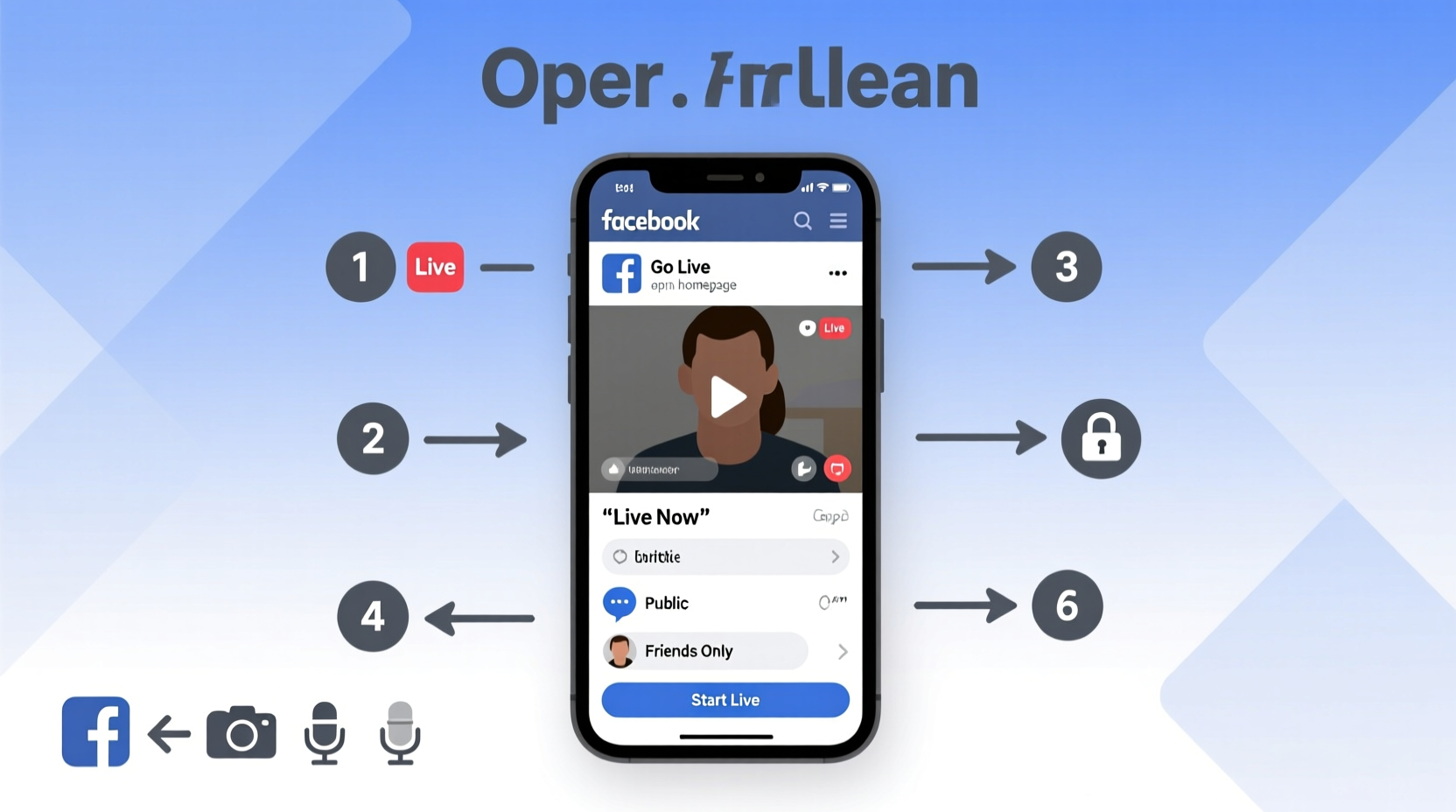
Facebook live streams are accessible to millions, making them powerful tools for communication. However, their open nature also introduces risks. Fake accounts may host misleading streams, malicious links can appear in comments, and unsecured devices may expose personal information when connecting to live content. According to a 2023 report by the Pew Research Center, over 64% of social media users have encountered misinformation during live events. Protecting your privacy and verifying authenticity isn’t just cautious—it’s necessary.
“Joining live content should be seamless, but never at the cost of your digital security. Always verify the source and use updated privacy settings.” — Dr. Lena Torres, Cybersecurity Analyst at Digital Trust Labs
Step-by-Step: How to Join a Live Video on Facebook
Whether you're using a smartphone, tablet, or desktop computer, accessing a live stream is straightforward when you follow the right steps. Below is a detailed, secure process to ensure smooth entry into any Facebook live broadcast.
- Open the Facebook App or Website
Launch the official Facebook app (iOS/Android) or visit facebook.com via a trusted browser like Chrome or Firefox. Avoid third-party apps or unofficial links that claim to offer live access. - Navigate to the Live Section
Tap the “Menu” icon (three horizontal lines) and select “Watch,” then choose “Live.” Alternatively, scroll through your News Feed—active live videos often appear with a red “LIVE” badge and a play icon. - Verify the Source
Before clicking, confirm the page or profile hosting the stream is legitimate. Check for the verified badge (blue checkmark), review the username carefully, and cross-reference with known official profiles if applicable. - Click or Tap to Join
Select the live video thumbnail. The stream will begin automatically. If prompted, allow microphone or camera access only if you intend to comment or go live yourself. - Engage Responsibly
Use the comment section to interact, but avoid sharing personal details. Report suspicious activity using the “Report” option under the video menu.
Essential Security Practices Before Connecting
Security shouldn’t start after you click “join.” Proactive measures significantly reduce your exposure to scams, malware, and privacy leaks.
- Update Your App and Device: Ensure your Facebook app and operating system are up to date. Updates often include critical security patches.
- Use a Secure Network: Avoid public Wi-Fi when viewing sensitive or financial-related live streams. Use a personal hotspot or home network instead.
- Review Privacy Settings: Go to Settings > Privacy to limit who can see your activity, including comments on live videos.
- Install Reputable Antivirus Software: Especially on desktops, real-time protection helps block malicious redirects that sometimes appear in comment sections.
Do’s and Don’ts When Participating in Live Streams
| Do | Don’t |
|---|---|
| Check the poster’s verification status before engaging | Click on links posted in comments without verifying their source |
| Use strong, unique passwords for your Facebook account | Share personal information like phone numbers or addresses in comments |
| Report fake or harmful live streams immediately | Download files or apps suggested during a stream unless from a trusted vendor |
| Log out of shared devices after viewing live content | Allow notifications from unknown live pages |
A Real Example: Maria Joins Her Favorite Chef’s Cooking Demo
Maria follows a well-known chef who regularly hosts live cooking classes on Facebook. One evening, she sees a notification about an upcoming session. Instead of clicking the first link in her inbox (which claims to be from the chef), she opens the Facebook app directly and searches for the chef’s verified page. She confirms the blue checkmark and finds the live event pinned to the top of the profile.
Before joining, Maria disconnects from the café’s public Wi-Fi and switches to her mobile data. She disables unnecessary browser extensions on her laptop and ensures her antivirus software is active. During the stream, someone posts a link saying “Get the recipe PDF here!”—but Maria avoids it, knowing the chef always shares recipes through the official website. After the session, she logs out of Facebook on her laptop since it’s a shared family device.
This careful approach allows Maria to enjoy the experience without risk. Her habits reflect what experts recommend: vigilance, verification, and proactive security.
Frequently Asked Questions
Can I watch a Facebook live video without logging in?
No, you must have a Facebook account and be logged in to view most live videos. While some public streams may appear in search results, full access requires authentication. This policy helps Facebook monitor engagement and reduce spam.
How do I know if a live stream is fake or impersonating someone?
Look for inconsistencies: misspelled usernames, lack of a verification badge, few followers despite high-profile claims, or poor video quality. You can also check the profile’s history—legitimate creators usually have consistent posting patterns and genuine audience interaction.
Is it safe to comment during a live video?
Yes, commenting is generally safe if done responsibly. Avoid revealing personal details such as your location, phone number, or financial information. Also, refrain from responding to private messages from strangers who contact you after commenting.
Final Checklist Before You Join Any Live Stream
- ✅ Confirm the identity of the broadcaster
- Check for verification badges and compare the profile URL to known official sources.
- ✅ Use a secure internet connection
- Avoid public networks; opt for password-protected home Wi-Fi or cellular data.
- ✅ Update your device and app
- Ensure you’re running the latest version of Facebook and your operating system.
- ✅ Review your privacy settings
- Limits on visibility help protect your activity from unwanted attention.
- ✅ Have reporting tools ready
- Know where to find the “Report” button in case of harassment, fraud, or misinformation.
Stay Connected, Stay Protected
Live videos enrich how we communicate, learn, and share experiences online. But convenience should never override caution. By following these steps—verifying sources, securing your device, and engaging thoughtfully—you maintain control over your digital footprint while enjoying real-time content. As live streaming continues to grow, so must our responsibility to participate wisely.




 浙公网安备
33010002000092号
浙公网安备
33010002000092号 浙B2-20120091-4
Comments
No comments yet. Why don't you start the discussion?