
Baking cupcakes at home doesn’t have to be complicated or inconsistent. With the right ingredients, technique, and attention to detail, you can create bakery-quality treats that are tender, flavorful, and consistently moist. Unlike store-bought versions, homemade cupcakes allow full control over sweetness, texture, and freshness. This guide walks through each stage of the process—from ingredient selection to cooling—with practical advice backed by baking science.
The Science Behind Moist Cupcakes
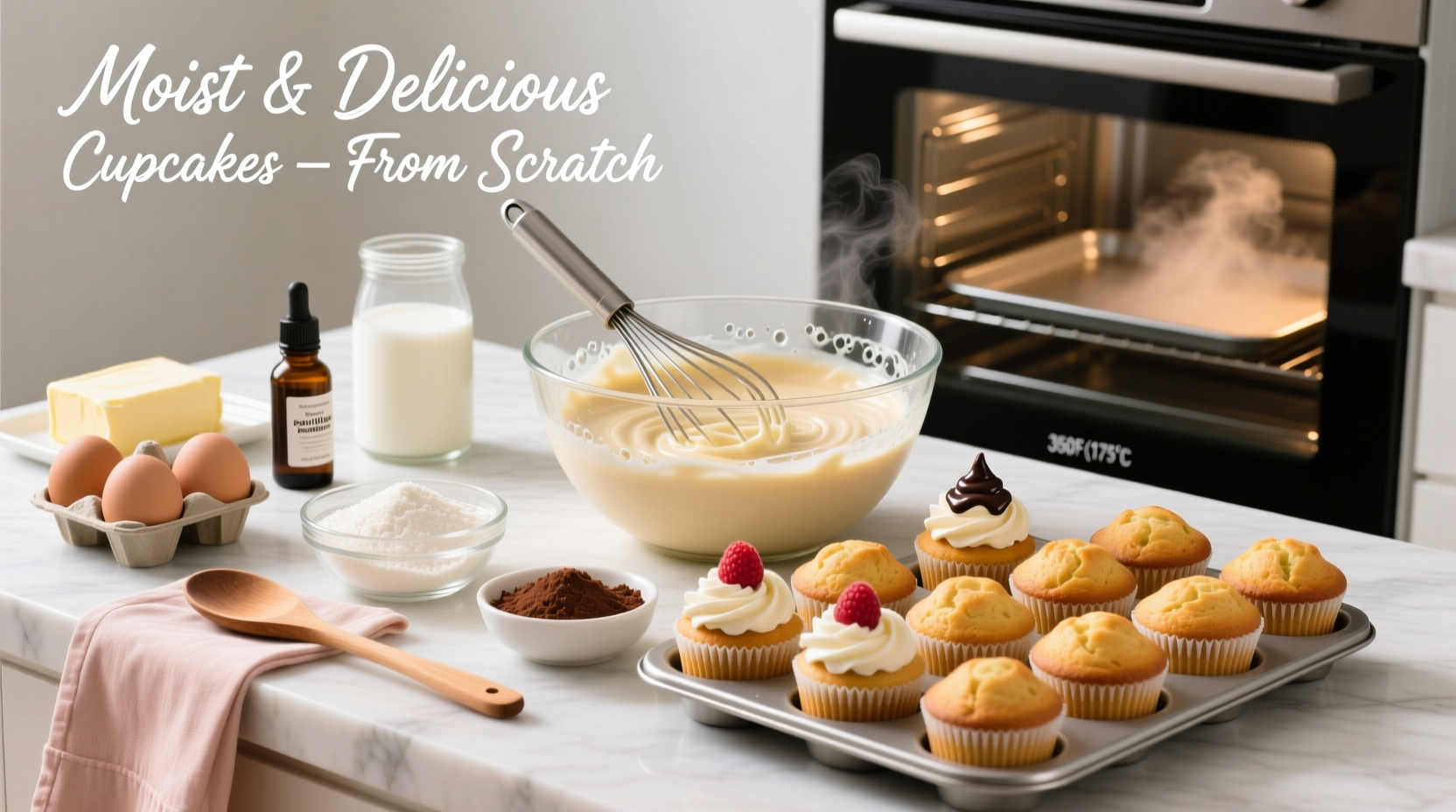
Moisture in cupcakes comes not just from wet ingredients like milk or eggs, but from how those ingredients interact during mixing and baking. Overmixing develops gluten, which leads to a dense, rubbery crumb. Undercreaming butter and sugar fails to trap air, resulting in flat, heavy cakes. The key is balance: enough fat and liquid to retain moisture, proper leavening for rise, and careful handling to preserve structure.
Fat—usually butter or oil—plays a dual role. Butter adds flavor and contributes to flakiness, while oil improves moisture retention because it remains liquid at room temperature. Many professional bakers use a combination of both for optimal texture.
“Moisture isn’t luck—it’s chemistry. Creaming properly, measuring accurately, and not overbaking are non-negotiables.” — Chef Lydia Monroe, Pastry Instructor at Boston Culinary Academy
Essential Ingredients and Their Roles
Understanding what each ingredient does helps troubleshoot issues before they happen. Here's a breakdown of the core components:
| Ingredient | Purpose | Common Mistakes |
|---|---|---|
| All-purpose flour | Provides structure via gluten formation | Overmeasuring causes dryness; spoon and level instead of scooping |
| Granulated sugar | Sweetens, tenderizes, and aids browning | Reducing too much affects texture and shelf life |
| Butter (unsalted) | Adds richness and traps air when creamed | Using cold butter prevents proper creaming |
| Eggs (room temperature) | Binds ingredients and adds moisture and lift | Cold eggs can curdle batter or reduce volume |
| Buttermilk or sour cream | Acidity reacts with baking soda for tenderness | Substituting without adjusting leaveners leads to flat cupcakes |
| Baking powder/soda | Leavening agents for rise | Expired leaveners result in no lift |
Step-by-Step Baking Process
Follow this timeline to ensure consistent results. Total active time: 25 minutes. Bake time: 18–22 minutes. Yields 12 standard cupcakes.
- Preheat oven to 350°F (175°C). Line a muffin tin with cupcake liners. Proper temperature ensures even rising.
- Cream butter and sugar. Using a stand mixer or hand mixer, beat ½ cup (1 stick) unsalted butter with ¾ cup granulated sugar on medium-high speed for 3–4 minutes until light and fluffy. Scrape bowl halfway.
- Add eggs one at a time. Beat in 2 large room-temperature eggs, one at a time, mixing well after each. Add 1 tsp vanilla extract.
- Mix dry ingredients. In a separate bowl, whisk together 1¼ cups all-purpose flour, 1½ tsp baking powder, and ¼ tsp salt. Sift if lumpy.
- Alternate wet and dry ingredients. Add one-third of the dry mix to the batter, followed by ¼ cup buttermilk. Continue alternating, ending with dry ingredients. Mix on low speed just until combined—do not overmix.
- Fill liners two-thirds full. Use a scoop or spoon to divide batter evenly across 12 cups.
- Bake 18–22 minutes. Rotate pan halfway through. Cupcakes are done when a toothpick inserted into the center comes out clean or with moist crumbs (not wet batter).
- Cool completely. Let cupcakes cool in the pan for 5 minutes, then transfer to a wire rack. Wait at least 30 minutes before frosting.
Flavor Variations and Customization
Once you’ve mastered the base recipe, experiment with flavors. Swaps should maintain the same weight or volume to preserve texture.
- Chocolate cupcakes: Replace ¼ cup flour with ½ cup cocoa powder (unsweetened). Add ¼ tsp instant espresso to deepen flavor.
- Lemon cupcakes: Add 2 tbsp lemon zest and 2 tbsp fresh juice. Replace buttermilk with plain yogurt.
- Spiced cinnamon: Add 1 tsp ground cinnamon, ¼ tsp nutmeg, and a pinch of cloves to dry ingredients.
- Red velvet: Add 2 tbsp cocoa powder and 1 oz red food coloring. Use white vinegar in place of some buttermilk for tang.
“I once baked a batch for a wedding tasting where the bride wanted ‘orange dreamsicle’ flavor. We used orange zest, a touch of cream cheese in the batter, and frosted with vanilla-orange buttercream. It was a hit—proof that creativity starts with a solid base recipe.” — Maria Tran, Owner of Sweet Tier Bakery, Austin, TX
Common Problems and How to Fix Them
Even experienced bakers encounter issues. Here’s how to identify and correct common cupcake flaws:
| Problem | Likely Cause | Solution |
|---|---|---|
| Dry texture | Overbaking, too much flour, not enough fat | Set timer, measure flour correctly, add 1–2 tbsp sour cream |
| Sunken centers | Underbaked, opening oven too early, too much leavener | Wait until fully risen and firm; avoid peeking first 15 min |
| Tough crumb | Overmixed batter, cold ingredients | Mix only until combined; bring eggs/dairy to room temp |
| Uneven rise | Inconsistent oven heat, uneven filling | Use an oven thermometer; fill liners uniformly |
Frosting and Finishing Touches
Frosting should complement, not overwhelm. A balanced buttercream holds its shape without being overly sweet. Try this classic vanilla version:
- Beat ½ cup (1 stick) softened butter until creamy (~2 mins).
- Add 2 cups powdered sugar, 1–2 tbsp milk, and 1 tsp vanilla.
- Mix on low to combine, then increase speed to high for 2–3 minutes until fluffy.
Pipe using a star tip for swirls or a round tip for rosettes. Decorate with sprinkles, edible glitter, or fresh berries. Store frosted cupcakes in an airtight container at room temperature for up to 2 days or refrigerate for 5 days (bring to room temp before serving).
FAQ
Can I make cupcakes ahead of time?
Yes. Unfrosted cupcakes freeze well for up to 3 months. Wrap individually in plastic wrap, then place in a sealed bag. Thaw at room temperature before frosting.
Why did my cupcakes dome instead of staying flat?
Oven temperature may be too high. Try reducing heat by 25°F and avoid overfilling liners. Alternatively, level domes with a knife before frosting.
Can I use a gluten-free flour blend?
Yes, but choose a 1:1 substitute designed for baking. Add ½ tsp xanthan gum if not included. Texture may be slightly more delicate.
Checklist for Success
- ✅ Preheat oven and prepare pan with liners
- ✅ Use room-temperature eggs and dairy
- ✅ Cream butter and sugar until pale and fluffy
- ✅ Measure flour correctly (spoon & level)
- ✅ Alternate dry and wet ingredients, mixing minimally
- ✅ Fill liners ⅔ full for even rise
- ✅ Bake until toothpick shows moist crumbs
- ✅ Cool completely before frosting
Conclusion
Creating moist, delicious cupcakes from scratch is within reach for any home baker. By understanding the role of each ingredient, following a precise method, and avoiding common pitfalls, you’ll produce treats that are soft, flavorful, and satisfying. Whether you're baking for a celebration or just because, the joy of a perfectly risen, tender cupcake is unmatched.




 浙公网安备
33010002000092号
浙公网安备
33010002000092号 浙B2-20120091-4
Comments
No comments yet. Why don't you start the discussion?