
Making iced coffee at home doesn’t have to mean sacrificing flavor or convenience. With the right technique and a reusable straw cup, you can enjoy a refreshing, smooth, and sustainable cold brew any time of day. Whether you're avoiding plastic lids and single-use cups or simply want better control over ingredients, this method delivers café-quality results without the waste. The key lies not just in brewing but in preparation, temperature control, and thoughtful customization.
Why Your Cup Choice Matters
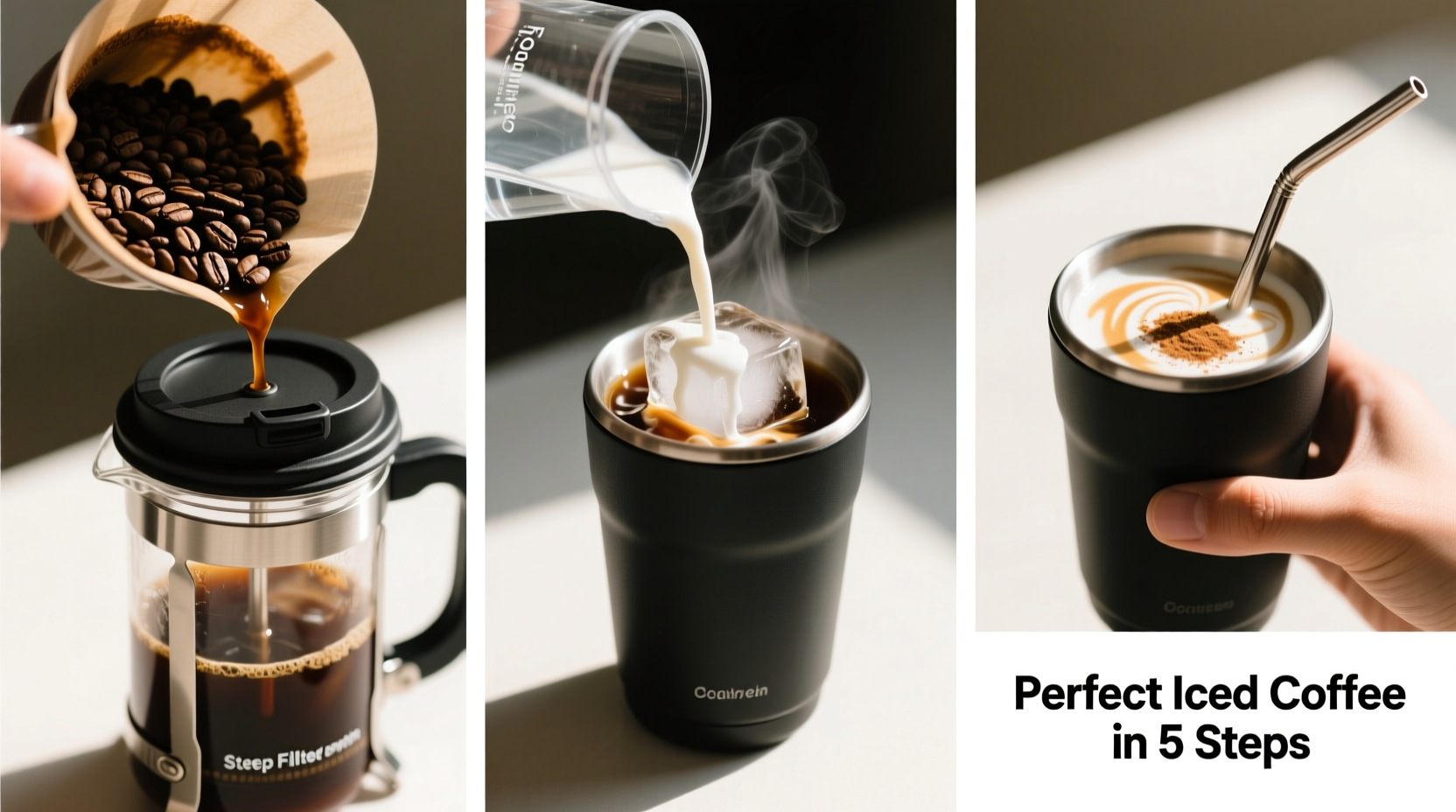
A reusable straw cup is more than a trendy accessory—it’s a functional upgrade. These cups are typically made from durable materials like double-walled stainless steel or BPA-free plastic with insulation that keeps drinks cold for hours. Unlike disposable cups, they’re designed for repeated use, reducing environmental impact while enhancing your drinking experience.
The built-in straw design encourages slower sipping, which allows you to taste the subtle notes in your coffee rather than gulping it down. Plus, using a reusable vessel supports long-term sustainability goals: one person switching to a reusable cup can eliminate hundreds of disposable containers annually.
The Science Behind Great Iced Coffee
Iced coffee isn’t just hot coffee poured over ice—it risks becoming diluted and bitter. To preserve balance and richness, consider how temperature affects extraction. Hot-brewed coffee cools rapidly when hitting ice, locking in acidity and sometimes amplifying bitterness. Cold brew, on the other hand, uses time instead of heat to extract flavor, resulting in a naturally sweeter, smoother profile.
Baristas and coffee experts agree: the best iced coffee starts with intention. As Carlos Mendez, owner of Brooklyn Cold Brew Co., explains:
“Most people don’t realize that ice should be part of the recipe, not an afterthought. If you're brewing hot coffee specifically for iced serving, reduce water slightly so melting ice doesn’t weaken the final drink.” — Carlos Mendez, Coffee Roaster & Educator
Step-by-Step Guide to Perfect Iced Coffee
Follow these steps to make consistently excellent iced coffee tailored for a reusable straw cup:
- Choose your beans wisely. Opt for medium to dark roast with chocolate, nutty, or caramel notes. Light roasts can become overly acidic when chilled.
- Grind fresh. Use a burr grinder for consistency. For cold brew, go coarse; for flash-chilled hot brew, medium-coarse works best.
- Brew using your preferred method:
- Cold Brew (12–24 hours): Combine 1 cup coarsely ground coffee with 4 cups cold filtered water. Steep in a jar or French press at room temperature or in the fridge. Strain through a filter or mesh.
- Flash-Chilled Hot Brew: Brew a double-strength pot using pour-over, AeroPress, or drip. Immediately pour over ice to halt extraction and lock in brightness.
- Pre-chill your reusable cup. Place it in the freezer for 10–15 minutes before use. This prevents rapid dilution and maintains optimal temperature.
- Add ice strategically. Fill your cup ¾ full with large, dense ice cubes—they melt slower than small ones. Bonus: use coffee ice cubes to avoid watering down the flavor.
- Pour and customize. Add sweeteners, milk, or flavor extracts now. Stir gently with a long spoon if needed, then insert your straw.
- Seal and shake (optional). Some insulated cups are shakable. Close the lid tightly and give it a gentle swirl to blend flavors evenly.
Customization Ideas and Flavor Profiles
Once you’ve mastered the base, experiment with flavor layers. Here are popular combinations that work exceptionally well in straw-friendly formats:
| Flavor Profile | Ingredients | Best Brew Type |
|---|---|---|
| Vanilla Sweet Cream | Vanilla syrup + heavy cream or oat milk | Cold Brew |
| Caramel Mocha | Caramel sauce + cocoa powder + almond milk | Flash-Chilled |
| Spiced Chai Latte Style | Chai concentrate + honey + whole milk | Cold Brew |
| Salted Coconut | Coconut milk + pinch of sea salt + simple syrup | Cold Brew |
| Espresso Tonic Twist | Tonic water + lemon zest + espresso shot | Flash-Chilled |
Real Example: Sarah’s Morning Routine Upgrade
Sarah, a graphic designer from Portland, used to stop at a drive-thru every morning for her iced vanilla latte. At $5.50 per cup, she was spending nearly $170 monthly—and contributing to landfill waste. After reading about cold brew methods, she invested in a 20-ounce insulated reusable cup with a silicone straw.
She started making cold brew on Sundays, using a mix of Colombian beans and oat milk. By Tuesday, she noticed her energy was more stable—no mid-morning crash. Her custom blend tasted richer than the store-bought version, and she saved over $130 in the first month. Now, coworkers ask for her recipe.
Common Mistakes to Avoid
- Using old or stale beans. Freshness impacts flavor dramatically. Buy whole beans and grind within a week of roasting.
- Overfilling with ice. Too much ice leads to excessive dilution. Aim for a 2:1 coffee-to-ice ratio.
- Skipping pre-chilling. A warm cup accelerates melting. Always chill the container first.
- Adding dairy too early. If storing leftovers, add milk just before drinking to prevent separation.
- Forgetting straw maintenance. Residue builds up inside straws. Clean daily with a brush or vinegar solution.
Frequently Asked Questions
Can I make iced coffee without a fancy machine?
Absolutely. You only need coffee grounds, water, and time. A mason jar and fine mesh strainer are enough for cold brew. No electricity required.
How long does homemade cold brew last?
Stored in a sealed container in the refrigerator, cold brew concentrate stays fresh for up to two weeks. Dilute with water or milk (typically 1:1) before serving.
Is it safe to leave cold brew out overnight during steeping?
Yes, for up to 16 hours at room temperature. Beyond that, move it to the fridge to prevent bacterial growth. Many prefer refrigerated steeping (18–24 hours) for cleaner flavor.
Final Checklist Before You Brew
- ☐ Freshly roasted beans
- Check roast date—ideally within the past two weeks.
- ☐ Quality grinder
- Ensures consistent particle size for even extraction.
- ☐ Insulated reusable cup
- Double-walled to keep drink cold and condensation low.
- ☐ Large ice cubes or coffee ice
- Slower melting means less dilution.
- ☐ Flavor add-ins (optional)
- Simple syrup, plant-based milks, or natural extracts.
- ☐ Cleaning brush for straw
- Maintains hygiene and prevents clogs.
Make Every Sip Count
Perfect iced coffee in a reusable straw cup combines craftsmanship, sustainability, and personal enjoyment. It takes minimal effort once you establish a rhythm, yet delivers maximum reward: bold flavor, reduced waste, and daily savings. Start with one batch this weekend. Adjust sweetness, strength, and temperature until it feels just right. Then make it part of your routine.




 浙公网安备
33010002000092号
浙公网安备
33010002000092号 浙B2-20120091-4
Comments
No comments yet. Why don't you start the discussion?