
In today’s digital landscape, visibility is currency. Whether you're building a personal brand, promoting a business, or sharing creative work, having a public social media presence dramatically increases your reach. A private account limits who can see your content, often restricting discovery and engagement. Going public opens the door to new followers, collaborations, and opportunities. But it’s not just about flipping a switch—strategic adjustments are essential to maximize impact while maintaining authenticity and safety.
Why Go Public? The Visibility Advantage
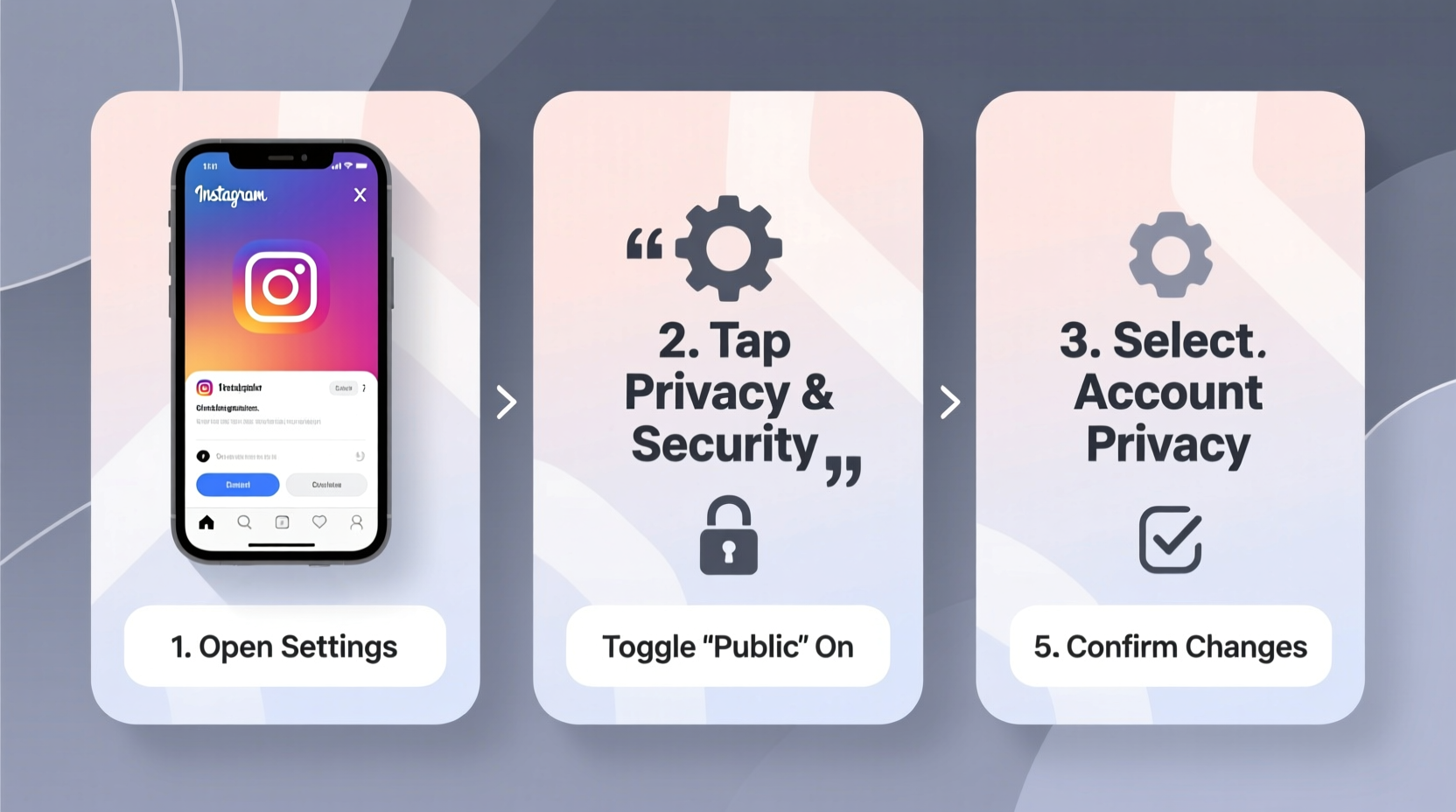
Private accounts offer control and privacy, but they come at a cost: limited discoverability. When your profile is private, only approved followers can view your posts, stories, and highlights. This means search engines, hashtags, and explore pages won’t feature your content. In contrast, public accounts appear in searches, show up under relevant hashtags, and can be shared freely—amplifying exposure exponentially.
According to a 2023 report by HubSpot, public Instagram accounts gain followers 65% faster than private ones, especially when consistent content and engagement strategies are applied. Platforms like Twitter (X), LinkedIn, and TikTok are inherently optimized for public interaction, meaning users expect open access to content. If your goal is growth, influence, or monetization, going public isn't optional—it's foundational.
“Public profiles act as digital storefronts. If no one can walk past the window, they’ll never come inside.” — Maya Tran, Social Media Strategist & Founder of ReachForward Agency
Step-by-Step Guide to Making Your Account Public
Switching from private to public varies slightly across platforms, but the core principles remain consistent. Follow this timeline-based approach to ensure a smooth transition without compromising your brand or safety.
- Assess Your Current Content (Day 1): Review all visible posts, captions, and comments. Remove or archive anything that no longer aligns with your public image or values.
- Update Privacy Settings (Day 2): Navigate to each platform’s settings and change your account visibility. Confirm the change with a test using an incognito browser or secondary account.
- Optimize Your Bio and Profile (Day 3): Craft a clear, compelling bio with keywords relevant to your niche. Include a professional photo, link to your website or portfolio, and use emojis strategically for visual appeal.
- Enable Discovery Features (Day 4): Turn on features like “Suggest Your Account to Others” (Instagram), “Discoverable by Email” (Twitter/X), and location tagging where appropriate.
- Engage Publicly (Ongoing): Start liking, commenting, and sharing content openly. Use relevant hashtags and geotags to increase visibility beyond your current network.
Platform-Specific Instructions
Each social network has unique steps for adjusting visibility. Below is a concise reference table outlining how to make your account public on major platforms.
| Platform | Steps to Go Public | Key Setting to Enable |
|---|---|---|
| Go to Settings → Privacy → Account Privacy → Toggle off \"Private Account\" | Allow Sharing to Stories & Suggested Users | |
| Settings & Privacy → Privacy Shortcuts → Audience and Visibility → Adjust future post default to \"Public\" | Profile Discovery via Search Engines | |
| Twitter (X) | Settings → Privacy and Safety → Audience and Tagging → Uncheck \"Protect your posts\" | Allow Tweet indexing by search engines |
| No toggle needed—profiles are public by default. Ensure visibility in search via \"Edit public profile & URL\" settings | Public profile visibility in Google | |
| TikTok | Profile → Menu → Privacy → Account Privacy → Switch to \"Public\" | Allow videos to appear on For You Page |
Best Practices After Going Public
Making your account public is just the beginning. To maintain momentum and credibility, adopt these proven habits:
- Post consistently: Aim for 3–5 high-quality posts per week. Use scheduling tools like Buffer or Hootsuite to maintain rhythm.
- Leverage hashtags strategically: Mix niche-specific tags (#DigitalMarketingTips) with moderately popular ones (#SocialMediaGrowth) to boost discoverability.
- Engage authentically: Respond to comments, mention others in relevant contexts, and participate in trending conversations.
- Monitor mentions and DMs: Set up notifications to stay on top of interactions. Consider using keyword alerts for your name or brand.
- Audit monthly: Check follower growth, engagement rates, and top-performing content to refine your strategy.
Mini Case Study: From Private to 10K Followers in 90 Days
Sophia Kim, a freelance graphic designer, kept her Instagram private for over two years, sharing only with friends. After launching her design studio, she realized her online presence wasn’t attracting clients. On March 1st, she switched to public, revamped her bio to include “Brand Identity Designer | Helping Startups Stand Out,” and began posting case studies of her work every Tuesday and Friday.
She used hashtags like #LogoDesign, #BrandIdentity, and #SmallBusinessBranding and engaged with design communities through thoughtful comments. Within six weeks, her follower count grew from 800 to 5,200. By June, she had secured three paid client referrals directly from Instagram DMs. “I was hesitant to go public,” Sophia said, “but removing that barrier changed everything. My work finally had room to breathe.”
Common Mistakes to Avoid
Going public doesn’t guarantee success—missteps can hinder growth or damage reputation. Be mindful of these pitfalls:
- Posting inconsistently after the switch: Algorithms favor regular activity. A burst of content followed by silence signals inactivity.
- Using overly promotional language: Focus on value-driven content—tips, insights, behind-the-scenes—not constant sales pitches.
- Ignoring comment moderation: Public accounts attract spam and negative comments. Enable filters and set boundaries early.
- Forgetting mobile optimization: Over 90% of social media browsing happens on phones. Ensure visuals are clear and text is legible on small screens.
FAQ
Will people see my old private posts after I go public?
Yes, on most platforms (including Instagram and TikTok), previously private posts become visible to everyone once your account is public. It’s crucial to review and archive outdated or sensitive content before switching.
Can I switch back to private later?
Yes, but doing so will immediately restrict access to your content again. Followers won’t lose access unless you remove them manually, but new profile discovery will stop. Frequent toggling may also disrupt algorithmic promotion.
Is it safe to go public if I’m not a celebrity or business?
Yes—with precautions. Avoid sharing real-time location updates, home addresses, or personal schedules. Use strong passwords, enable two-factor authentication, and regularly review tagged photos and mentions.
Final Checklist Before Going Public
- ✅ Audit all visible content
- Remove or archive outdated, irrelevant, or unprofessional posts.
- ✅ Update your bio and profile picture
- Make it clear who you are and what you offer.
- ✅ Change privacy settings
- Follow platform-specific steps to switch to public.
- ✅ Enable discoverability features
- Turn on search indexing, hashtag visibility, and suggestion options.
- ✅ Plan your first week of content
- Have 3–5 posts ready to publish immediately after going public.
- ✅ Set up engagement monitoring
- Use native tools or third-party apps to track comments, messages, and mentions.
Take Action Today
Your voice, expertise, and creativity deserve to be seen. Making your social media account public is a simple yet transformative step toward greater visibility, connection, and opportunity. It’s not about chasing vanity metrics—it’s about creating space for meaningful impact. Revisit your settings, refine your profile, and commit to showing up consistently. The right audience is searching for someone exactly like you. Don’t make them look too hard.




 浙公网安备
33010002000092号
浙公网安备
33010002000092号 浙B2-20120091-4
Comments
No comments yet. Why don't you start the discussion?