
Adding a floating shelf above your Christmas tree transforms a seasonal centerpiece into a year-round design statement. When installed correctly, the shelf enhances visual depth, creates space for curated decor, and frames the tree like a gallery piece. This guide walks you through every phase—from planning to styling—with precision, safety, and aesthetic balance in mind. Whether you're aiming for rustic charm or modern minimalism, this method elevates both function and form.
Why Add a Floating Shelf Above Your Tree?
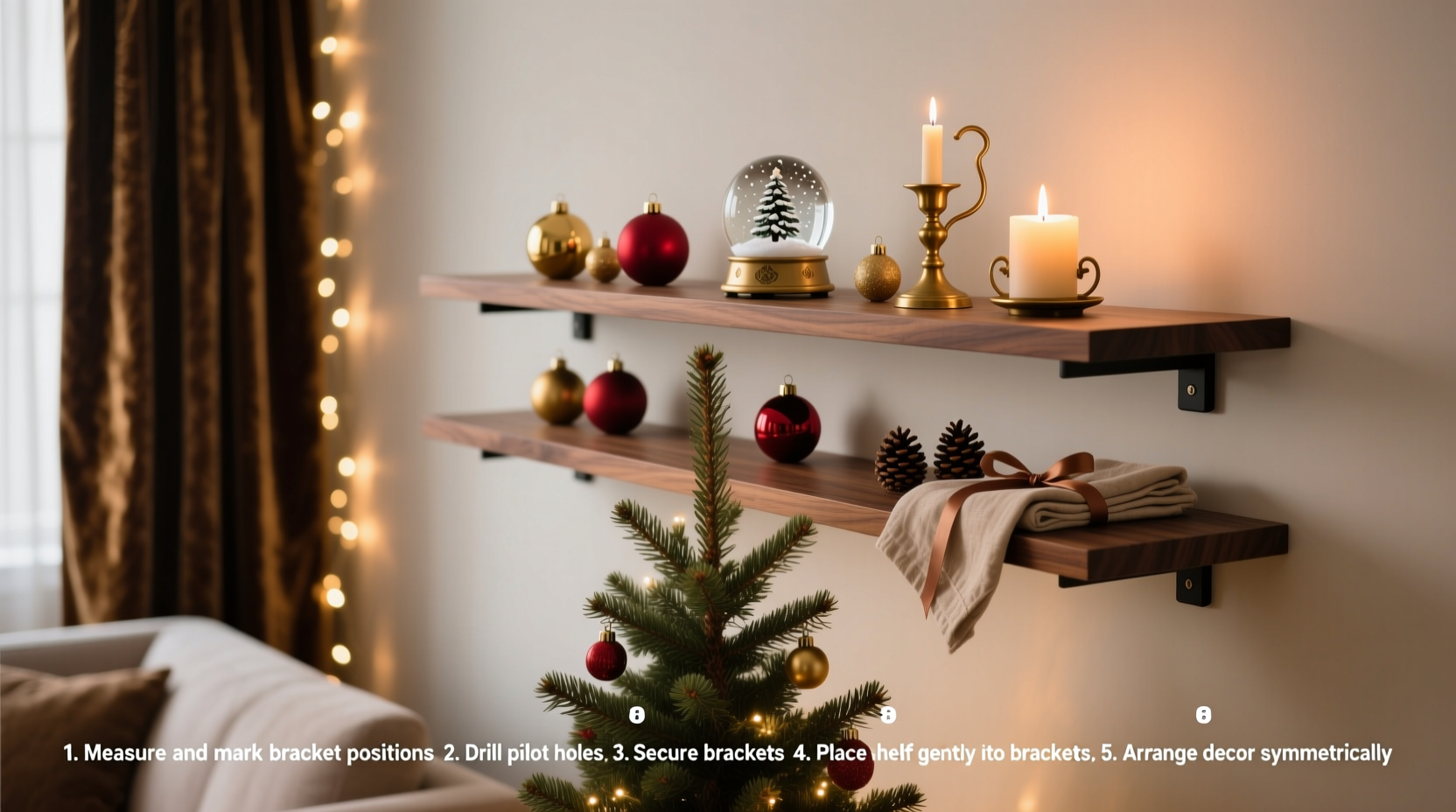
A floating shelf isn’t just decorative—it’s strategic. Positioned above the tree, it draws the eye upward, elongating the room and anchoring the display within the architecture of the space. Unlike traditional mantel displays, a shelf offers flexibility: rotate seasonal accents, layer textures, or showcase heirlooms without cluttering the tree itself.
The concept of \"layered decor\" refers to creating visual interest through depth, height variation, and intentional placement. A shelf acts as a secondary stage, allowing ornaments, greenery, candles, and personal mementos to coexist without overwhelming the primary focal point—the tree.
“Layering isn’t about adding more—it’s about arranging what you have so each piece earns its place.” — Dana Richards, Interior Stylist & Author of *Curated Living*
Planning Your Installation: Measurements and Placement
Before lifting a tool, determine the ideal location. The shelf should sit high enough to avoid interference with tree toppers (typically 6–12 inches above), but low enough to remain visually connected. Use these guidelines:
- Clearance: Ensure at least 6 inches between the top of the tree and the bottom of the shelf.
- Eye Level: The center of the shelf should fall between 72” and 84” from the floor for optimal viewing.
- Tree Height: For an 8-foot tree, position the shelf at 96” to 100” from the floor.
- Wall Space: Confirm there's enough horizontal clearance—ideally 6–12 inches wider than the tree on each side—to maintain balance.
Consider ceiling height. In rooms with standard 8- to 9-foot ceilings, ensure the shelf doesn’t crowd crown molding or lighting fixtures. For vaulted ceilings, treat the tree and shelf as part of a vertical composition—extend the line upward with garland or suspended stars.
Choosing the Right Shelf and Hardware
Not all floating shelves are created equal. The choice depends on wall type, weight load, and desired finish. Below is a comparison of common options:
| Shelf Type | Max Load | Best For | Installation Complexity |
|---|---|---|---|
| Solid Wood (e.g., walnut, oak) | 30–50 lbs | Heavy decor, natural finishes | High (requires stud mounting) |
| MDF with Veneer | 15–25 lbs | Budget-friendly, painted styles | Medium (anchors okay if no studs) |
| Metal Bracket + Wood | 40+ lbs | Industrial looks, maximum support | High |
| Plywood DIY | 20–30 lbs | Custom sizes, temporary setups | Medium |
For most living rooms, a solid hardwood shelf (8–12 inches deep, 48–72 inches long) provides durability and elegance. Pair it with hidden brackets or a French cleat system for true \"floating\" effect.
Hardware selection is critical. If mounting into drywall alone, use heavy-duty toggle bolts rated for at least twice the expected load. However, whenever possible, anchor into wall studs—typically spaced 16” apart—for maximum security.
Step-by-Step Installation Process
Follow this timeline to install your shelf safely and accurately. Allow 2–3 hours for completion, including drying time for any touch-up paint.
- Turn off power and locate studs. Use a stud finder to map vertical supports. Mark their edges with a pencil. Avoid areas near electrical outlets or baseboard heaters.
- Determine shelf height and level. Measure from the floor to your target height. Use a laser level or bubble level to draw a straight reference line across the wall.
- Mark bracket positions. Position the shelf’s mounting hardware along the level line, ensuring it aligns with at least two studs. Transfer screw hole locations to the wall.
- Drill pilot holes. Use a drill bit slightly smaller than your screws. For stud mounting, drill directly into wood. For drywall-only anchors, follow toggle bolt instructions.
- Install mounting brackets. Secure brackets with 3-inch lag screws for studs or heavy-duty toggles for drywall. Double-check level after tightening.
- Attach the shelf. Slide or fasten the shelf onto the brackets. Some systems require top-screwing through pre-drilled holes—counterbore these and fill with matching wood putty.
- Test stability. Apply gentle downward pressure across the front edge. No movement should occur. If wobbling persists, recheck bracket alignment.
- Touch up and clean. Fill any visible holes with paint or wax stick. Wipe away dust before styling.
Styling the Shelf: Creating Layered Holiday Decor
Now that the shelf is secure, curate a display that complements—not competes with—your tree. Think in layers: background, midground, foreground.
- Background: Start with a neutral backdrop—a runner of faux fur, burlap, or evergreen garland. This softens the edge and adds texture.
- Midground: Place medium-height items like candle holders, framed mini photos, or ceramic figurines. Vary heights for rhythm.
- Foreground: Lean small picture frames, stack vintage books, or add trailing ivy for dimension.
Color coordination matters. Pull one or two dominant hues from your tree palette—such as deep red, forest green, or gold—and echo them on the shelf. For example, if your tree features mercury glass ornaments, include a mirrored tray or gold-dipped pinecones on the shelf.
“When styling above a busy tree, less is more. Let the shelf whisper, not shout.” — Lena Torres, Home Stylist at *Haven & Hearth Interiors*
Real Example: The Urban Apartment Tree Display
In a Brooklyn brownstone, Sarah mounted a 60-inch walnut shelf above her 7.5-foot pre-lit tree. With limited floor space, she wanted to maximize vertical impact. She anchored the shelf into two studs using lag screws, then styled it with a mix of practicality and personality: a folded plaid blanket at one end, three staggered pillar candles in brass holders, and a cluster of vintage skis leaning against the wall behind. Mini string lights woven through the garland tied the shelf to the tree’s glow. The result? A cozy, cabin-inspired vignette that guests consistently complimented—without obscuring a single ornament.
Safety and Maintenance Tips
Safety comes first, especially when combining decor with electricity and height. Follow these best practices:
- Never overload the shelf beyond its rated capacity.
- Keep candles at least 6 inches from tree branches or flammable materials.
- If using plug-in lights on the shelf, route cords neatly behind or beside the tree—never over it.
- Inspect the shelf monthly for signs of sagging, loose brackets, or wall damage.
- Dust regularly with a microfiber cloth to prevent buildup.
Checklist: Mounting a Floating Shelf Above Your Christmas Tree
Use this checklist to stay organized and ensure a successful installation:
- Measure tree height and determine shelf placement (6–12” above).
- Select a shelf material and size appropriate for your wall and decor.
- Gather tools: stud finder, level, drill, screws, anchors, measuring tape.
- Locate and mark wall studs.
- Mark mounting points using a level line.
- Drill pilot holes and install brackets securely.
- Attach the shelf and test for stability.
- Touch up paint or finish as needed.
- Style with layered decor in complementary colors and textures.
- Safely integrate lighting and monitor for heat or cord issues.
Frequently Asked Questions
Can I mount a floating shelf above my tree without hitting studs?
Yes, but only with proper hardware. Use heavy-duty toggle bolts rated for the full shelf load. However, stud mounting is always safer and more reliable, especially with heavier decor or real trees that may sway slightly.
What should I avoid when styling the shelf?
Avoid overcrowding, which blocks the tree topper and creates visual clutter. Also, steer clear of tall centerpieces that obstruct views or flammable items placed too close to lights. Never place water-filled vases unless sealed and monitored—leaks can damage the shelf or tree.
Will this work with an artificial tree?
Absolutely. In fact, artificial trees often make shelf installation easier since they’re stable and don’t shed needles. Just ensure the shelf is mounted to the wall, not the tree stand or any freestanding part.
Conclusion: Elevate Your Holiday Aesthetic
A floating shelf above your Christmas tree isn’t a trend—it’s a thoughtful design decision that enhances both beauty and functionality. By following precise measurements, choosing durable materials, and styling with intention, you create a cohesive display that feels intentional and inviting. This upgrade takes ordinary holiday decor into the realm of interior storytelling, where every object has context and connection.




 浙公网安备
33010002000092号
浙公网安备
33010002000092号 浙B2-20120091-4
Comments
No comments yet. Why don't you start the discussion?