
Living in a compact home or apartment often means making the most of every square foot — especially when it comes to storage. A tiny closet can feel more like a bottleneck than a solution if not organized with intention. But even the smallest wardrobe space can become highly functional with smart planning, strategic choices, and consistent habits. This guide walks you through a proven process to reclaim your closet, maximize storage capacity, and keep everything easily accessible.
Assess Your Current Closet Situation
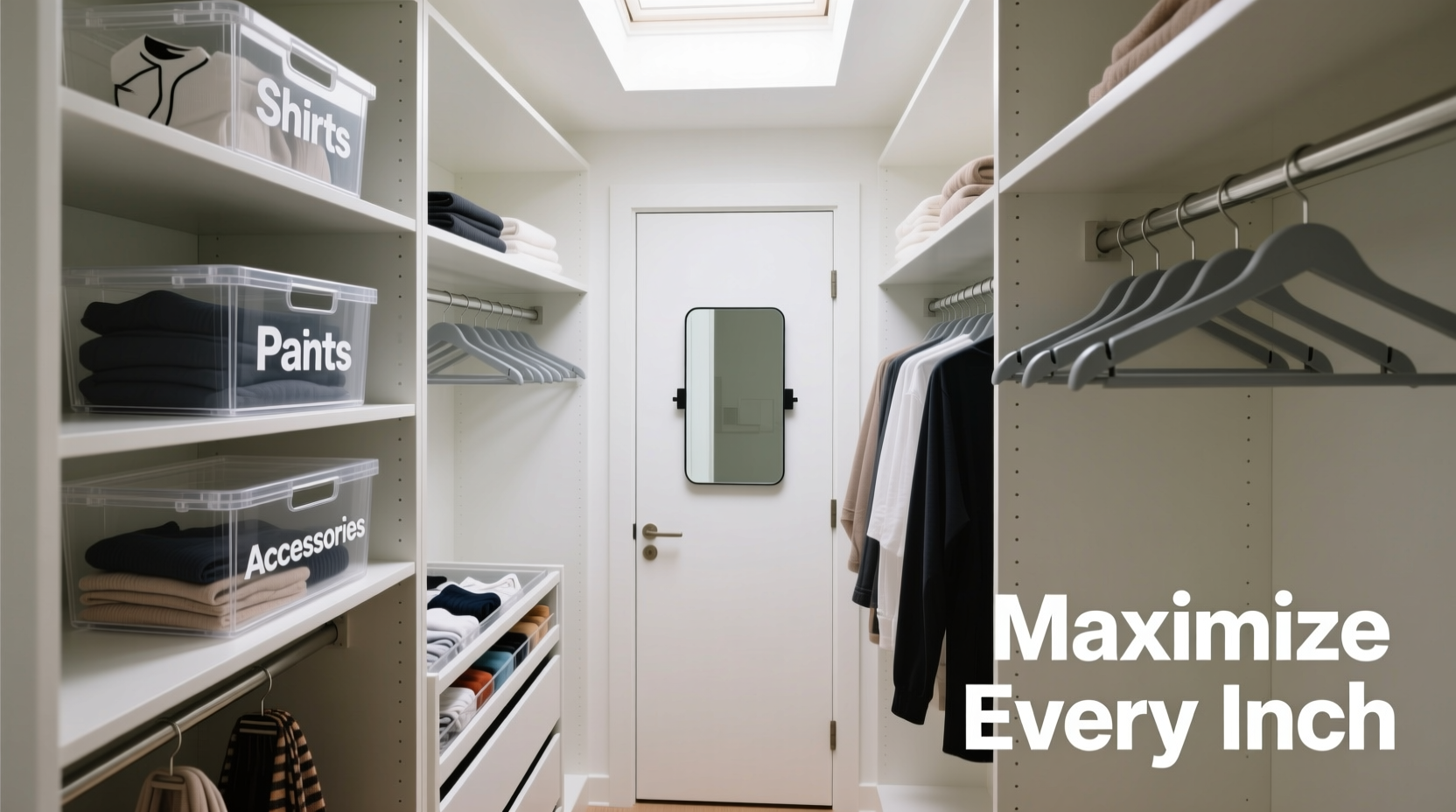
Before rearranging anything, take stock of what you’re working with. Measure the dimensions of your closet: height, width, depth, and clearance around doors or drawers. Note existing features—shelving, hanging rods, drawers, lighting, or ventilation. Understanding your starting point is crucial for designing an efficient layout.
Next, evaluate how you currently use the space. Are clothes stacked on shelves? Are shoes piled at the bottom? Is one section overcrowded while another sits empty? These patterns reveal inefficiencies. Document pain points such as difficulty finding items, wrinkled garments, or seasonal overflows.
This audit phase isn’t just about physical space—it’s also about usage. Ask yourself: What types of clothing do I wear most? Which items go unused for months? How frequently do I rotate seasons? The answers will inform your organizational priorities.
Declutter Ruthlessly and Strategically
No organization system works without first removing what doesn’t belong. Clutter eats up space and creates visual noise that makes retrieval difficult. Begin by pulling everything out of the closet. Yes, everything—even that scarf tucked behind the shelf.
- The Four-Box Method: Label four containers: Keep, Donate/Sell, Repair, Trash. As you sort each item, place it in the appropriate box.
- Use the 12-Month Rule: If you haven’t worn something in the past year (excluding special occasion pieces), consider letting it go.
- Check Fit and Condition: Try on questionable items if needed. Stained, stretched, or ill-fitting clothes should be removed unless they’re slated for repair.
Be honest about sentimental items. It’s okay to keep a few meaningful pieces, but don’t let nostalgia dictate your daily storage efficiency. Limit keepsakes to one small bin.
“We tend to overestimate how much we need and underestimate how good it feels to have less.” — Marie Kondo, Organizing Consultant
After sorting, remove the donate, sell, and trash boxes from your home immediately. Leaving them nearby invites second-guessing and backsliding. Once cleared, wipe down shelves, vacuum corners, and clean any dust or debris from the interior.
Create Zones Based on Usage and Frequency
An effective tiny closet functions like a well-run filing system—everything has its place, and access is intuitive. Divide your space into logical zones based on how often you use certain items and how they’re stored.
- Daily Wear Zone: Reserve prime eye-level space for clothes worn regularly—work shirts, jeans, dresses, etc.
- Seasonal Storage: Use high shelves or under-bed bins for off-season items. Rotate twice a year.
- Accessories Area: Dedicate a drawer, hook strip, or small tray for belts, scarves, hats, and jewelry.
- Shoe Station: Keep only everyday pairs in the closet. Store others elsewhere or use vertical organizers.
- Special Occasion Nook: Protect formalwear with garment bags and place toward the back or top.
| Zone | Recommended Location | Storage Solutions |
|---|---|---|
| Daily Tops & Bottoms | Middle rod and shelves | Hangers, slim bins |
| Outerwear | Front of rod or separate section | Sturdy hangers, double hooks |
| Bags & Hats | Top shelf or wall-mounted racks | Stackable bins, pegboards |
| Shoes | Floor or lower rack | Over-door organizers, tiered stands |
| Off-Season Clothing | High shelf or sealed containers | Vacuum bags, clear bins |
Zoning reduces decision fatigue and prevents re-cluttering. When every category has a designated spot, returning items becomes automatic.
Maximize Vertical and Hidden Space
In a tiny closet, floor space is precious. Focus on using all available vertical dimensions and overlooked areas.
Double Hanging Rods: Install a second rod below the primary one to hang shirts above and pants or skirts beneath. This can double hanging capacity without expanding outward.
Adjustable Shelving: Replace fixed shelves with modular units so you can adapt spacing as needs change. For example, taller sections accommodate boots or handbags; shorter ones work for folded sweaters.
Door and Wall Utilization: The back of the door and side walls are prime real estate. Options include:
- Over-the-door shoe organizers (also great for accessories)
- Pegboards with customizable hooks for bags, belts, or scarves
- Magnetic strips for bobby pins or small metal tools
- Narrow floating shelves for folded items or baskets
Under-Rod Baskets: Hang wire or fabric bins beneath the hanging bar for folded tees, pajamas, or workout clothes. This keeps drawers free for other uses.
Lighting Matters: Poor visibility leads to forgotten items. Add battery-powered LED strip lights or motion-sensor puck lights inside the closet to illuminate dark corners.
Mini Case Study: Transforming a 2x4 Foot Reach-In Closet
Sophie, a graphic designer living in a downtown studio apartment, struggled with a cramped 2-foot-wide by 4-foot-deep closet. Her clothes were tangled, shoes blocked access, and she often wore the same few outfits because she couldn’t see her options.
She followed this guide: First, she removed everything and donated nearly 40% of her wardrobe. She installed a double-hang rod system, freeing up floor space for a narrow rolling cart (used for socks and underwear). Over the door, she added a clear pocket organizer for clutches and sunglasses. A tension rod underneath the main bar held fabric bins for folded sweaters.
She painted the interior white and added a motion-sensor light. The result? Full visibility, easy access, and room to breathe—all within the original footprint. “I actually enjoy getting dressed now,” she said. “It feels spacious, not stressful.”
Implement a Sustainable Maintenance Routine
The best systems fail without upkeep. To keep your newly optimized closet functional long-term, build simple habits into your routine.
Weekly Reset
Set aside 10 minutes each week to return misplaced items, fold stray clothes, and check for clutter buildup. Do this on laundry day or before the weekend.
Seasonal Rotation
Twice a year, swap out off-season clothing. Clean items before storing, use breathable cotton bags or vacuum-sealed packs, and label containers clearly.
One-In, One-Out Rule
To prevent overflow, adopt a policy: for every new clothing item brought in, one must go out. This encourages mindful shopping and maintains balance.
“Organization isn’t a one-time project. It’s a habit built through repetition and intention.” — Cassandra Aarssen, Clutter Coach & Author
Checklist: Maintain Your Tiny Closet
- ✅ Return items to their designated zones daily
- ✅ Fold or hang clothes immediately after laundry
- ✅ Wipe shelves and vacuum floor monthly
- ✅ Reassess storage needs every 3–6 months
- ✅ Donate unneeded items quarterly
Frequently Asked Questions
Can I organize a tiny closet without buying new supplies?
Absolutely. Start with what you have: reconfigure existing shelves, use boxes as dividers, and repurpose household items like towel racks as accessory holders. Only invest in organizers once you’ve identified precise needs.
How do I fit full-length coats in a small closet?
Use cascading hangers that allow multiple garments to hang at staggered heights. Alternatively, install a second rod higher up specifically for longer items, ensuring the shorter rod below remains accessible.
What’s the best way to store shoes in a tight space?
Vertical solutions work best. Consider stackable shoe cubbies, over-the-door pockets, or a narrow shoe tower. Limit in-closet pairs to 5–7 essentials; store backups elsewhere.
Conclusion: Small Space, Big Impact
A tiny closet doesn’t have to mean limited functionality. With deliberate planning, strategic decluttering, and intelligent use of space, even the most compact wardrobes can support a streamlined, stress-free lifestyle. The goal isn’t perfection—it’s practicality. When your closet reflects clarity and order, your mornings become smoother, your choices easier, and your sense of control stronger.




 浙公网安备
33010002000092号
浙公网安备
33010002000092号 浙B2-20120091-4
Comments
No comments yet. Why don't you start the discussion?