
A well-fitted dog harness is essential for safe, comfortable walks—especially when using a high-performance design like the Magic Glue dog harness. Known for its ergonomic build, reflective detailing, and secure closure system, this harness offers excellent control without restricting movement. However, even the best harness can cause discomfort or pose risks if not adjusted correctly. Proper fit ensures your dog moves freely, breathes easily, and stays secure whether you're strolling through the neighborhood or hiking rugged trails.
This guide walks you through every step of fitting and fine-tuning a Magic Glue dog harness, with expert-backed tips, real-world insights, and clear instructions to help you get it right the first time—and every time.
Understanding the Magic Glue Harness Design
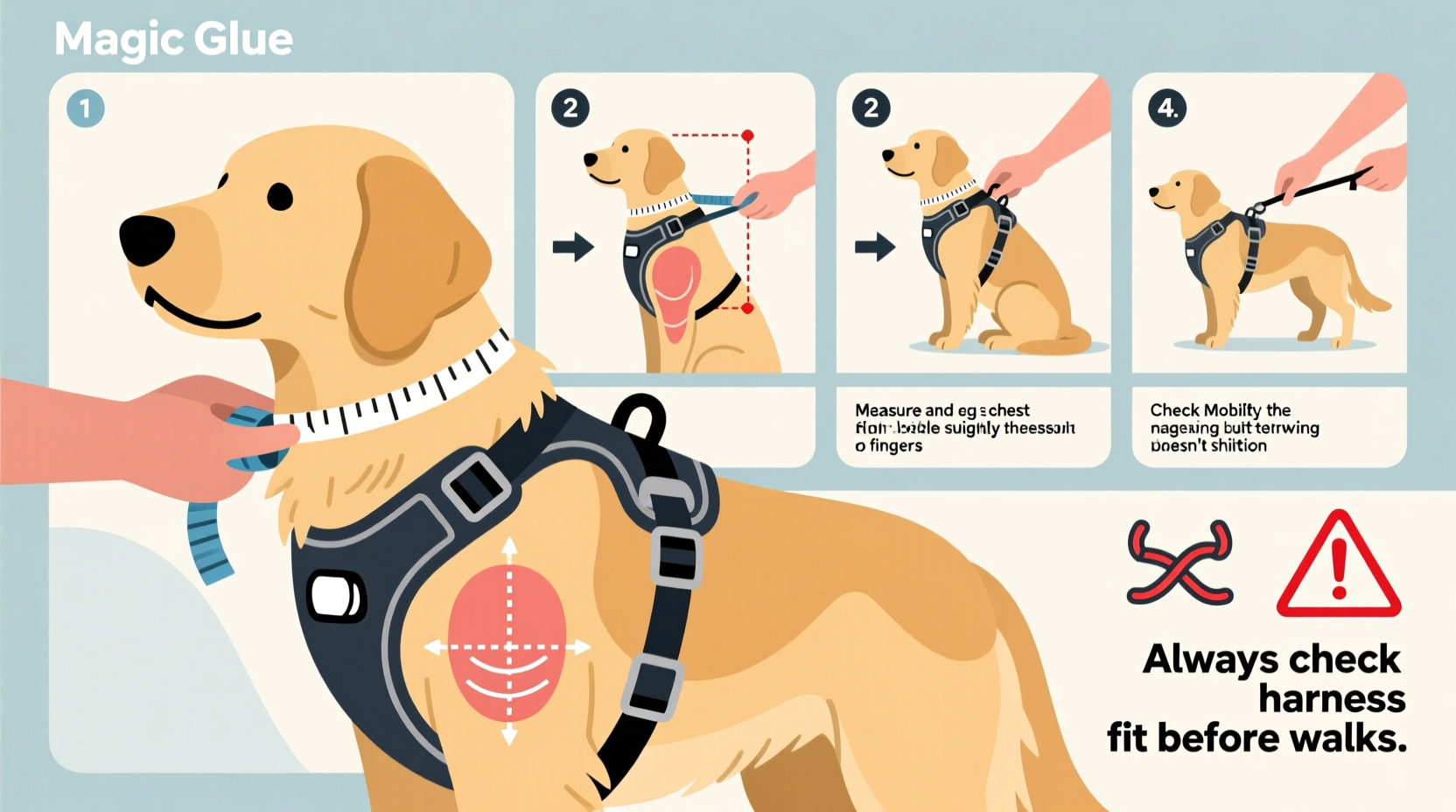
The Magic Glue harness stands out due to its anatomical engineering. It features padded chest and shoulder zones, an adjustable dual-loop system (neck and girth), and a quick-snap YKK buckle. Unlike traditional back-clip harnesses that pull across sensitive shoulder joints, the Magic Glue model distributes pressure evenly along the dog’s torso, reducing strain during leash engagement.
Its signature “glue” feel comes from the snug yet flexible fit that mimics a second skin—secure without constriction. This performance depends entirely on correct sizing and adjustment. A poorly fitted harness can lead to chafing, restricted motion, or even escape attempts.
Step-by-Step Guide to Fitting the Harness
- Measure Your Dog Accurately
Use a soft tape measure to record two key dimensions:- Neck girth: Just behind the ears, at the base of the skull.
- Chest girth: Behind the front legs, around the widest part of the ribcage.
- Select the Correct Size
Cross-reference your measurements with the official Magic Glue size chart. The brand typically offers XS to XL sizes based on chest girth. If your dog falls between sizes, opt for the larger one—you can tighten, but cannot stretch beyond limits. - Prepare the Harness
Open all adjustment straps and unclip the front buckle. Lay the harness flat and ensure the label sits on the left side (helps identify orientation). The D-ring for leash attachment should be on the back, centered between the shoulders. - Position the Harness
Slide the harness over your dog’s head so the neck loop rests comfortably around the base of the skull. The chest pad should sit just behind the front armpits, not under the shoulders. Avoid pulling too hard—this isn’t a collar. - Secure the Buckle
Fasten the quick-release clip beneath the chest. You should hear a firm click. Tug gently on both sides to confirm it’s locked. Never force the buckle; misalignment can damage the mechanism. - Adjust the Straps
Tighten both the neck and chest straps incrementally:- Neck strap: Allow one finger to slide underneath comfortably.
- Chest strap: Two fingers should fit beneath the girth band, allowing room for breathing and muscle expansion.
- Check Fit and Mobility
Let your dog walk, sit, and trot in place. Watch for rubbing, shifting, or pinching. The harness should stay firmly in position without riding up or sliding sideways.
Final Fit Checklist
- Harness lies flat with no twists
- D-ring centered on back
- One finger fits under neck strap
- Two fingers fit under chest strap
- No visible pressure on armpits or shoulders
- Dog moves freely without restriction
Common Adjustment Mistakes and How to Avoid Them
Even experienced pet owners make errors when fitting new harnesses. Awareness prevents long-term issues.
| Mistake | Consequence | Solution |
|---|---|---|
| Placing the chest pad under the armpits | Restricts stride, causes chafing | Reposition so pad sits behind front legs |
| Over-tightening the neck loop | Compresses trachea, reduces airflow | Allow space for one finger to slide through |
| Ignoring weight changes | Loose fit increases escape risk | Re-measure quarterly, especially in puppies or senior dogs |
| Forgetting seasonal adjustments | Bulky winter coats create false fit | Adjust tighter in cold months; recheck when coat is removed |
“Many behavioral issues during walks stem from physical discomfort. A poorly fitted harness can turn a pleasant outing into a stressful event.” — Dr. Lena Torres, Veterinary Behavior Specialist
Real Example: Fixing Fit Issues with Max, a 2-Year-Old Border Collie
Max’s owner reported that he would tug violently on walks and often tried to back out of his harness. After reviewing a video, a certified trainer noticed the chest strap sat too low, pressing into Max’s armpits. The neck loop was also overly tight, likely causing throat pressure when he turned his head.
The owner remeasured Max and discovered he had grown since purchase. They switched from a medium to a large, repositioned the harness higher on the chest, and loosened the neck strap. Within days, Max walked calmly, stopped reversing, and showed no signs of irritation. The simple fix transformed their daily routine.
Frequently Asked Questions
How do I know if the harness is too loose?
If you can fit more than two fingers under the chest strap or the harness shifts side-to-side during movement, it’s too loose. A loose fit increases the risk of slipping out, especially in agile breeds like Whippets or Shelties.
Can I leave the harness on my dog all day?
No. While the Magic Glue harness is breathable and padded, prolonged wear can lead to moisture buildup, skin irritation, or fabric abrasion. Remove it after walks and inspect the contact areas for redness or hair loss.
Why does my dog scratch at the harness after putting it on?
Scratching may indicate improper positioning, such as the seam pressing against the armpit or a twisted strap. Double-check alignment and ensure all edges lie flat. Some dogs also react to new textures—brief acclimation sessions at home can ease the transition.
Conclusion: Safety Starts with the Right Fit
A properly adjusted Magic Glue dog harness enhances control, comfort, and confidence—for both dog and handler. By following precise measurement techniques, adhering to adjustment guidelines, and routinely checking fit, you ensure your dog enjoys every adventure without unnecessary strain or risk.
Take a few extra minutes each month to reassess the fit, especially if your dog has changed weight or activity level. Small adjustments today prevent injuries tomorrow.




 浙公网安备
33010002000092号
浙公网安备
33010002000092号 浙B2-20120091-4
Comments
No comments yet. Why don't you start the discussion?