
Color block keychains are more than just accessories—they’re personal statements. Whether you use them for style, quick access, or as a visual identifier among similar backpacks, securing them properly ensures they stay put through daily wear, travel, and outdoor adventures. A poorly attached keychain can snap off, get lost, or even damage your bag’s fabric. This guide walks you through the correct way to attach a color block keychain with durability and precision in mind.
Why Secure Attachment Matters
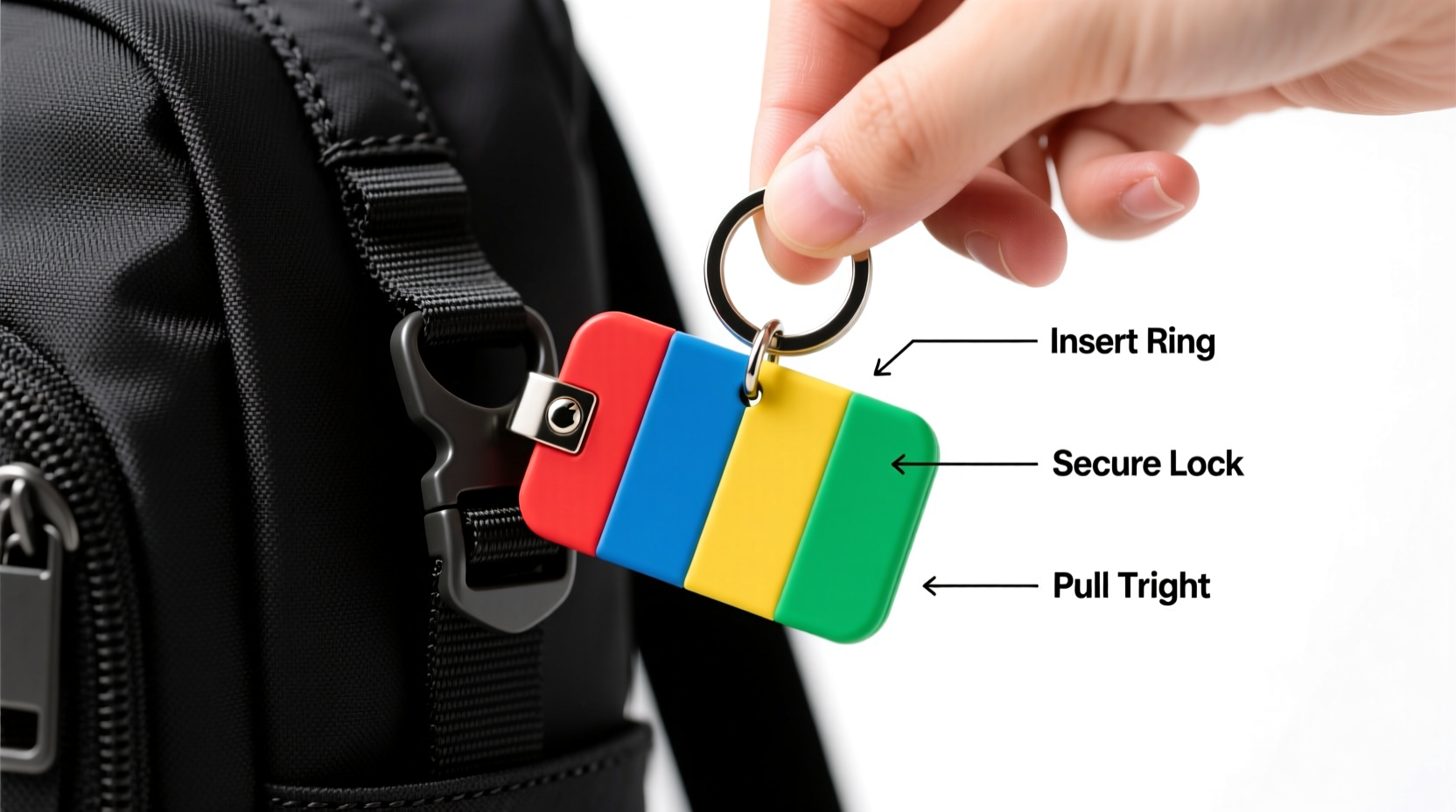
A backpack endures constant movement: swinging on shoulders, dropping onto floors, stuffing into overhead bins. Any accessory dangling from it must withstand these forces. A loose keychain isn’t just inconvenient—it can snag on objects, become a tripping hazard, or pull stitching from high-stress areas like zippers or straps.
Properly attaching a keychain preserves both function and aesthetics. It prevents fraying, maintains structural integrity, and keeps your accessory visible and accessible. The right method depends on your backpack’s design, the keychain’s hardware, and how much stress the attachment point will endure.
“Most keychain failures happen not because of weak materials, but due to improper installation.” — Jordan Lin, Outdoor Gear Engineer at TrailForm Labs
Selecting the Right Attachment Point
Not all parts of a backpack are suitable for keychains. Choosing the wrong spot leads to premature wear or compromised bag performance. Look for reinforced anchor points designed to handle tension.
| Attachment Location | Suitability | Risks |
|---|---|---|
| Dedicated key clip or loop | Excellent – designed for this purpose | None if used correctly |
| Zipper pull tab | Moderate – only if reinforced | May strain zipper mechanism over time |
| Side compression strap | Good – sturdy webbing | Can interfere with tightening straps |
| Main compartment drawstring | Poor – not load-rated | Fraying, accidental opening |
| Top carry handle | Fair – strong stitching | Swinging may loosen threads over time |
Materials and Tools You’ll Need
The success of your installation hinges on using the right components. Avoid makeshift solutions that degrade quickly. Here's what to gather before starting:
- Color block keychain – Ensure it has a secure metal clasp or split ring.
- Carabiner (locking preferred) – Lightweight aluminum models work well for everyday carry.
- Lanyard cord or paracord (optional) – For extending reach or adding slack.
- Keychain anchor ring (3/8” or 10mm) – A heavy-duty O-ring provides a stable base.
- Needle and bonded nylon thread (if sewing) – Ideal for permanent installations.
- Scissors and lighter (for cord sealing)
If your backpack lacks a built-in loop, consider installing a small metal or nylon O-ring onto a seam or strap. This creates a dedicated, load-bearing point without compromising fabric integrity.
Step-by-Step Installation Process
Follow this timeline-based method to ensure a long-lasting, secure fit:
- Inspect the backpack – Check for existing loops, D-rings, or reinforced stitching near the top or side panels.
- Clean the area – Wipe down the attachment zone to remove dirt or oils that could weaken adhesives or hide damage.
- Choose your method:
- Direct clip: Use if there’s a strong loop or D-ring.
- Sewn anchor: Best for permanent placement where no hardware exists.
- Strap wrap: Secure carabiner around a thick strap and double-lock.
- Attach the anchor (if needed) – Thread an O-ring through a backpack strap’s stitching hole or sew it directly using a box stitch pattern for reinforcement.
- Connect the keychain – Open the split ring or carabiner and slide it through the anchor point. Close securely.
- Add redundancy (recommended) – Clip a secondary mini-carabiner or elastic safety tether between the keychain and another nearby point to prevent loss if the primary fails.
- Test under tension – Simulate real-world stress by pulling downward and sideways. Listen for creaking seams or slippage.
“Redundancy is key. Even a 50-pound-rated carabiner can fail if the fabric around it tears.” — Dana Ruiz, Backpack Safety Consultant
Real-World Example: Mounting a Keychain on a Commuter Pack
Sophia uses a minimalist urban backpack made of recycled ripstop nylon. She wanted to attach her bold yellow-and-navy color block keychain near the main zipper for visibility. Initially, she clipped it directly to the zipper pull, but after two weeks, the thin cord began fraying.
She revised her approach: she purchased a titanium micro-carabiner and threaded it through the backpack’s side compression strap webbing. She then connected her keychain to the carabiner. To prevent swing-related abrasion, she added a short piece of silicone-coated lanyard. After three months of daily subway rides and bike commutes, the setup remains intact—no wear, no noise, no snags.
Do’s and Don’ts of Keychain Attachment
| Do | Don’t |
|---|---|
| Use locking carabiners for high-movement areas | Clip heavy keychains to lightweight mesh pockets |
| Check connections monthly for wear | Overload a single point with multiple bulky items |
| Seal cut cord ends with a flame to prevent unraveling | Use glue or tape as a primary fastener |
| Match metal finishes (e.g., brass with brass) to avoid galvanic corrosion | Ignore manufacturer warnings about accessory limits |
FAQ
Can I sew a keychain loop myself?
Yes, but only if you have basic hand-sewing skills. Use UV-resistant nylon thread and reinforce the area with bartack stitching. Sew through existing seam lines rather than piercing new holes in the fabric.
How tight should the connection be?
Tight enough to prevent slipping, but allow slight movement to absorb shock. Zero-play rigidity increases stress on threads and metal joints, leading to faster fatigue.
Will a color block keychain affect my backpack’s warranty?
Some manufacturers void warranties if aftermarket modifications compromise structural elements. Attaching via existing loops or external clips typically doesn’t void coverage, but sewing or drilling likely does. Check your brand’s policy first.
Final Checklist Before You Finish
- ✅ Identified a structurally sound attachment point
- ✅ Used durable hardware rated for dynamic loads
- ✅ Avoided direct contact between sharp edges and fabric
- ✅ Added backup retention (e.g., safety tether)
- ✅ Tested under simulated real-world conditions
- ✅ Inspected surrounding material for signs of strain
Conclusion: Style Meets Security
A color block keychain adds personality to your everyday carry, but its value multiplies when it stays securely in place. By following engineering-conscious practices—choosing the right location, using quality hardware, and testing thoroughly—you combine flair with function. Whether you're navigating city streets or hiking mountain trails, knowing your gear won’t fail brings peace of mind.




 浙公网安备
33010002000092号
浙公网安备
33010002000092号 浙B2-20120091-4
Comments
No comments yet. Why don't you start the discussion?