
Cluse watches are known for their minimalist design, lightweight build, and elegant metal mesh straps. While stylish and comfortable, these straps often loosen over time due to regular wear, stretching of the links, or natural movement on the wrist. Instead of visiting a jeweler or replacing the band, you can adjust the fit yourself—safely and effectively—at home. This comprehensive guide walks you through the process of tightening your Cluse watch strap with precision, care, and no special tools required.
Understanding Your Cluse Watch Strap Design
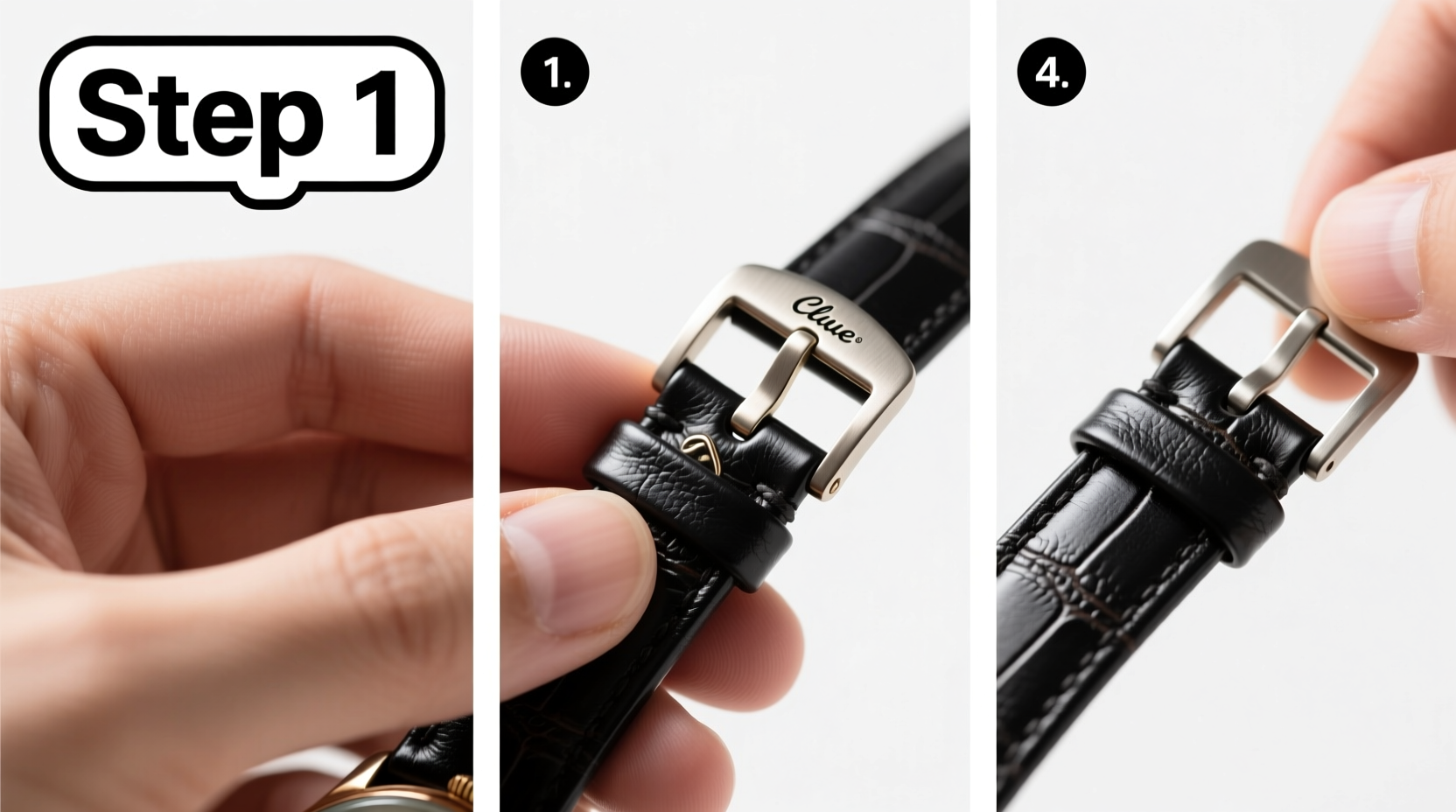
Most Cluse watches use a Milanese loop strap—a fine, flexible metal mesh that wraps around the wrist and fastens with a magnetic closure. Unlike traditional link bracelets, this design doesn’t have removable links. Instead, it features an adjustable sliding mechanism embedded within the mesh itself. The tightness is controlled by repositioning the internal slider, which alters the effective length of the band.
This system allows for micro-adjustments, making it ideal for achieving a snug but comfortable fit. However, improper handling can damage the delicate weave or misalign the magnetic clasp. Understanding how the strap functions is the first step toward a successful adjustment.
Step-by-Step Guide to Tightening the Strap
Tightening your Cluse watch strap involves carefully manipulating the hidden slider inside the mesh. Follow these steps in order to ensure a secure, even fit without damaging the band.
- Remove the watch from your wrist – Place it on a clean, flat surface with the display face down to protect the glass.
- Locate the adjustment slider – On the underside of the band, near the magnetic clasp, you’ll find a small metal tab embedded in the mesh. This is the tension adjuster.
- Grip both sides of the strap – Hold one end of the band firmly in each hand, just beyond the slider area.
- Slide the adjuster toward the clasp – Gently push the metal tab along the mesh toward the magnetic end. Each millimeter moved reduces the overall circumference.
- Test the fit frequently – After every small adjustment, place the watch back on your wrist to check comfort and security.
- Ensure symmetry – Make sure both sides of the mesh feed evenly into the clasp. If one side appears tighter, reposition the slider slightly.
- Secure the final position – Once the fit is ideal, lightly tug on both ends to confirm the slider stays in place.
The goal is a fit that rests flush against the wrist without pinching or slipping. A properly tightened Cluse strap should stay put during normal activity but still allow room for airflow and slight movement.
Do’s and Don’ts When Adjusting Your Cluse Strap
Mistakes during adjustment can lead to permanent deformation or weakened magnetism in the clasp. Use this table as a quick reference to avoid common errors.
| Do’s | Don’ts |
|---|---|
| Adjust in small increments (1–2 mm at a time) | Pull aggressively on the mesh to force adjustment |
| Clean hands before handling the strap | Use pliers or tools unless specifically designed for Milanese loops |
| Test fit after each adjustment | Leave the slider halfway between positions |
| Store the watch flat when not in use | Bend the band sharply or fold it backward |
| Wipe the strap weekly with a soft, dry cloth | Expose the band to harsh chemicals or moisture |
Real Example: Adjusting After Summer Wear
Sophie, a graphic designer from Amsterdam, noticed her Cluse La Petite watch began slipping during long workdays. She attributed it to looser skin on her wrist after summer swimming and sweating. Rather than buying a new strap, she followed the adjustment method described here. Over two days, she made three minor slider adjustments, testing the fit each morning. By the third try, the watch stayed securely in place throughout her commute and meetings. “I didn’t realize such a small fix could make such a difference,” she said. “Now it feels like I’ve got a brand-new watch.”
This example illustrates how environmental changes and seasonal routines affect fit—and why regular maintenance matters.
“Proper strap tension isn’t just about comfort—it’s about preserving the integrity of the entire watch. A loose band increases stress on the case and movement over time.” — Lars Meijer, Watch Technician & Horology Instructor
Essential Tips for Long-Term Strap Care
Tightening the strap is only part of maintaining your Cluse watch. To extend the life of the Milanese loop and keep it looking polished, follow these best practices:
- Clean regularly: Wipe the mesh with a lint-free cloth after wearing, especially if exposed to sweat or humidity.
- Avoid water exposure: Although durable, prolonged contact with water can corrode the fine metal wires.
- Rotate usage: If you own multiple watches, alternate them daily to reduce continuous strain on one band.
- Check magnet strength monthly: Ensure the clasp holds firmly. If it begins to detach easily, realignment or professional service may be needed.
- Store properly: Keep the watch in its box or on a soft tray, away from other jewelry that could scratch the mesh.
Frequently Asked Questions
Can I shorten my Cluse strap permanently?
No, the Milanese loop strap is not designed for permanent shortening. It relies on the internal slider for all adjustments. Cutting or modifying the mesh will ruin its function and void any warranty.
Why does my strap feel looser after a few weeks?
Metal mesh bands naturally stretch slightly with consistent wear, particularly if exposed to heat or moisture. Regular readjustment of the slider compensates for this gradual loosening.
Is it safe to sleep with my Cluse watch on?
While possible, sleeping in the watch increases friction and pressure on the strap, accelerating wear. For longevity, remove it at night and store it safely.
Final Checklist Before You Begin
Before adjusting your Cluse watch strap, run through this quick checklist to ensure success:
- ✅ Wash and dry your hands thoroughly
- ✅ Place the watch on a soft, clean surface
- ✅ Identify the adjustment slider on the underside
- ✅ Have good lighting to see the mesh clearly
- ✅ Plan to make only small adjustments at a time
- ✅ Test fit on your wrist after each change
- ✅ Confirm the magnetic clasp aligns and secures properly
Conclusion: Take Control of Your Watch’s Fit and Longevity
Your Cluse watch is more than an accessory—it’s a reflection of personal style and attention to detail. A loose strap undermines both aesthetics and function. With the right technique, you can restore a perfect fit in minutes, using nothing but your hands and a little patience. Regular maintenance ensures lasting comfort, preserves the delicate Milanese loop, and protects your investment.




 浙公网安备
33010002000092号
浙公网安备
33010002000092号 浙B2-20120091-4
Comments
No comments yet. Why don't you start the discussion?