
Instagram has evolved from a simple photo-sharing app into one of the most powerful digital marketing platforms in the world. With over 2 billion monthly active users, it offers unparalleled access to audiences across demographics, industries, and geographies. For entrepreneurs, creators, and small businesses, a well-optimized Instagram business account is no longer optional—it's essential. However, simply switching to a business profile isn’t enough. Sustainable growth requires strategy, consistency, and intentional setup from day one.
This guide walks through every critical phase of creating and launching an Instagram business account designed for visibility, credibility, and long-term expansion. From technical setup to branding and initial content planning, each step builds toward a cohesive presence that attracts and retains followers.
1. Convert or Create: Setting Up Your Business Profile
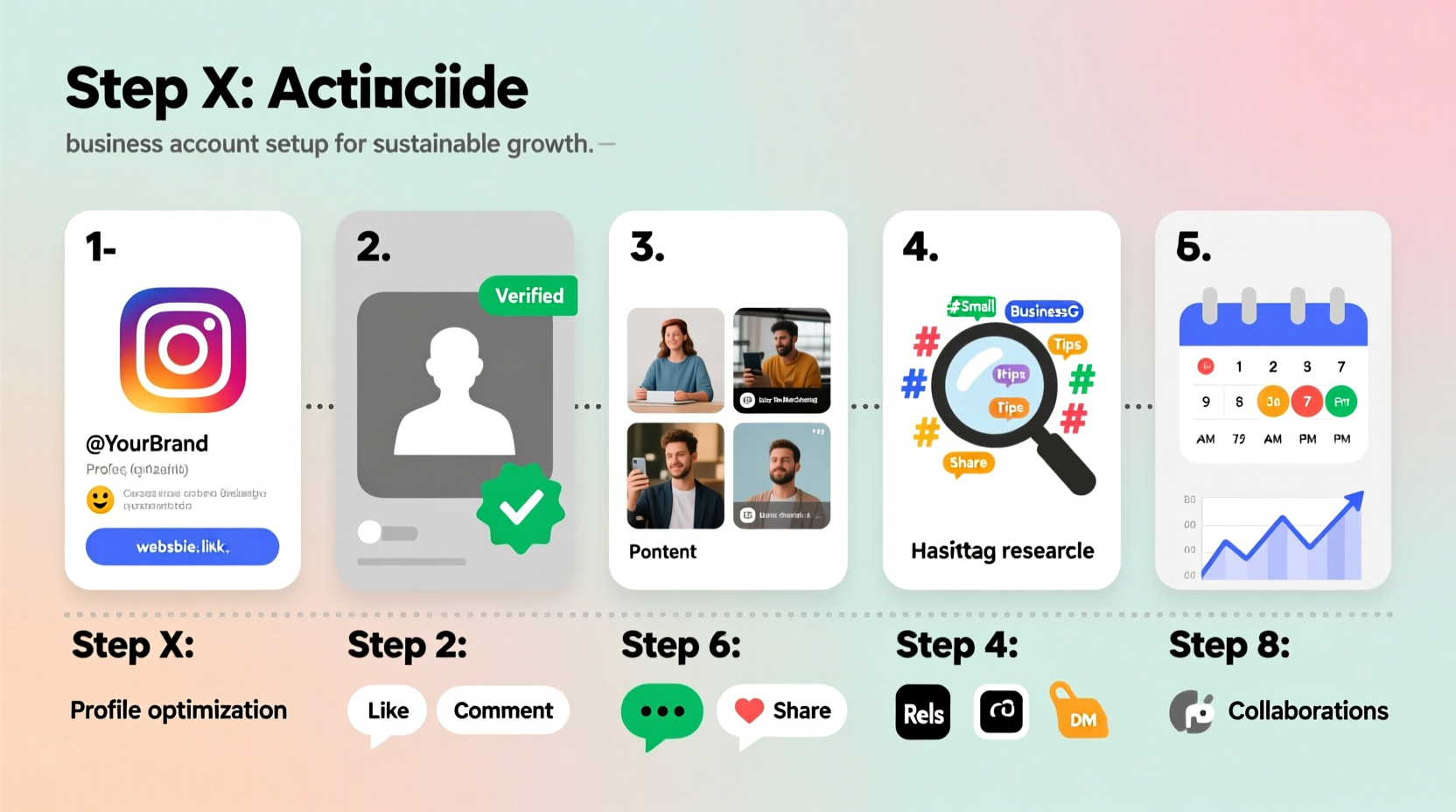
The foundation of any Instagram growth strategy begins with converting your personal account—or creating a new one—into a business or creator account. This unlocks access to analytics, advertising tools, contact options, and shopping features.
- Open the Instagram app and go to your profile.
- Tap the menu (three lines) and select Settings.
- Navigate to Account > Switch to Professional Account.
- Choose Business (or Creator, depending on your goals).
- Connect to a Facebook Page (you’ll need one; create it if necessary).
- Select a primary category (e.g., Fashion, Fitness, Consulting).
- Add contact information: email, phone, and location.
Once completed, you’ll gain access to Insights, which provides data on impressions, reach, follower activity, and content performance—critical metrics for informed decision-making.
2. Optimize Your Profile for Clarity and Conversion
Your Instagram profile is your digital storefront. It should instantly communicate who you are, what you offer, and why someone should follow or engage with you.
Profile Picture
Use a high-resolution logo or professional headshot. Ensure it’s recognizable even at small sizes. Consistency with other brand platforms strengthens recognition.
Username and Name Field
Choose a username that matches your brand name or is as close as possible. The “Name” field (the one visible in search) allows 30 characters and supports spaces and emojis. Use this space wisely—for example, “Sarah | Brand Strategist 🌱” or “UrbanBloom Co. 🌿”.
Biography
You have 150 characters to make an impact. Structure your bio with three key components:
- Identity: Who you are or what your brand does.
- Value: What followers gain by engaging with you.
- CTA: A clear direction—“Tap the link,” “DM for inquiries,” etc.
Example: “Helping coaches build confident brands 💼 | Weekly growth tips ↓ | Work with me →”
Link in Bio
Since Instagram only allows one clickable link, use a service like Linktree, Beacons, or Later to host multiple destinations (website, lead magnet, latest post, product page). Update it regularly based on your current goal.
“We see a 40% increase in click-throughs when brands update their bio link weekly to match campaign focus.” — Maya Tran, Social Media Strategist at GrowthLab Insights
3. Define Your Niche and Content Strategy
Growth doesn’t come from random posting—it comes from consistent value delivery within a defined niche. Before publishing content, clarify your positioning.
Identify Your Target Audience
Ask: Who benefits most from what you offer? Consider age, interests, pain points, and online behavior. For example, a vegan skincare brand might target women aged 25–35 interested in clean beauty, sustainability, and self-care.
Content Pillars
Establish 3–5 content categories that align with your brand and audience interests. Examples:
- Educational (tips, how-tos)
- Inspirational (success stories, quotes)
- Behind-the-scenes (team, process)
- Promotional (products, offers)
- User-generated content (customer photos, testimonials)
4. Launch with Purpose: First 30 Days Plan
How you start sets the tone for growth. Use the first month to establish rhythm, test content types, and gather early insights.
| Week | Focus Area | Action Steps |
|---|---|---|
| 1 | Profile & Foundation | Finalize bio, upload highlight covers, pin top 3 posts, set up contact buttons. |
| 2 | Content Rollout | Post 4–5 times: mix of carousel (how-to), Reel (quick tip), story Q&A, static image (quote). |
| 3 | Engagement & Outreach | Follow and comment on 10 relevant accounts daily. Respond to all comments and DMs within 12 hours. |
| 4 | Analyze & Adjust | Review Insights: Which post had highest reach? When are followers most active? Adjust schedule accordingly. |
Mini Case Study: Bloom & Vine Botanicals
A small indoor plant shop launched their Instagram business account targeting urban apartment dwellers. In week one, they posted a carousel titled “5 Low-Light Plants That Thrive Indoors.” It gained 2.3x more reach than any other post. They doubled down on educational carousels and began tagging local neighborhoods. Within six weeks, their follower count grew from 0 to 1,850, with 22 direct sales attributed to Instagram DMs.
5. Essential Do’s and Don’ts for Long-Term Growth
Avoid common pitfalls that stall momentum. Use this checklist to stay on track.
| Do’s | Don’ts |
|---|---|
| Post consistently (minimum 3–4x/week) | Post randomly without a plan |
| Use relevant hashtags (5–10 per post) | Spam generic tags like #love or #followme |
| Engage authentically in comments and DMs | Automate responses or use copy-paste replies |
| Test Reels weekly—even short ones | Ignore video content due to discomfort |
| Review Insights monthly | Never check analytics |
Checklist: Pre-Launch Essentials
- ✅ Converted to business account
- ✅ Connected to Facebook Page
- ✅ Optimized bio with CTA and link
- ✅ Uploaded professional profile photo
- ✅ Created 9 high-quality grid posts
- ✅ Set up contact buttons (email, call, directions)
- ✅ Defined 3 content pillars
- ✅ Scheduled first week of content
FAQ
Can I switch back to a personal account later?
Yes, you can switch between personal, creator, and business accounts at any time without losing content. However, some data may reset during transitions.
Do I need to run ads to grow?
No. Organic growth is achievable with consistent, valuable content and engagement. Ads accelerate visibility but aren’t required for success.
How soon should I start selling?
Wait until you’ve built trust—typically after 30–60 days of consistent posting. Introduce offers gradually, framed as solutions rather than promotions.
Conclusion
Setting up a successful Instagram business account isn’t about perfection on day one—it’s about intentionality, clarity, and steady execution. Every element, from your bio to your first Reel, contributes to how potential followers perceive your credibility and relevance. By following these steps, you lay a foundation not just for visibility, but for meaningful connections that drive real results.




 浙公网安备
33010002000092号
浙公网安备
33010002000092号 浙B2-20120091-4
Comments
No comments yet. Why don't you start the discussion?