
Launching a successful presence on Amazon begins long before your first product goes live. The foundation of every thriving Amazon business is a well-structured seller account built with clarity, compliance, and scalability in mind. Whether you're selling handmade crafts or sourcing bulk inventory, the way you set up your account directly impacts visibility, customer trust, and long-term profitability. This guide walks through each essential phase—from initial registration to optimization strategies—so you can avoid common pitfalls and position your brand for sustainable growth.
1. Choose the Right Seller Plan
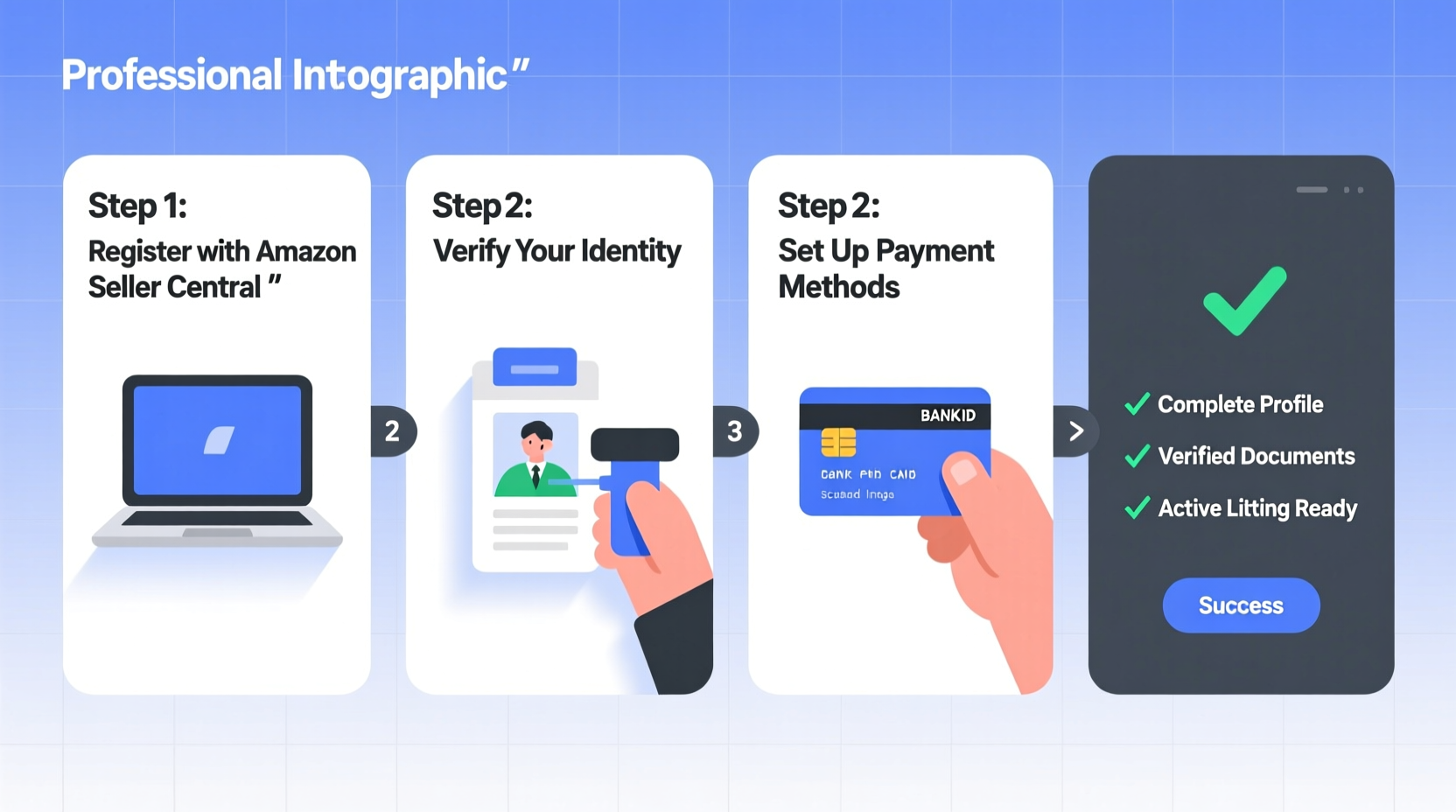
Amazon offers two primary seller plans: Individual and Professional. Your choice affects fees, features, and growth potential.
| Feature | Individual Plan | Professional Plan |
|---|---|---|
| Monthly Fee | $0 | $39.99 |
| Per-Item Selling Fee | $0.99 | $0 |
| Access to Bulk Upload Tools | No | Yes |
| Automated Reporting | Limited | Full access |
| Brand Registry Eligibility | No | Yes |
If you plan to sell more than 40 items per month, the Professional plan pays for itself. It also unlocks critical tools like advertising, analytics, and API integrations needed for scaling.
2. Register Your Account with Complete Accuracy
The registration process must reflect real, verifiable information. Incomplete or inconsistent details are one of the top reasons for account suspension during verification.
- Visit sellercentral.amazon.com and click “Register Now.”
- Provide your business legal name as it appears on official documents (e.g., EIN, business license).
- Enter accurate contact information, including phone number and address. Use a dedicated email, not a personal one.
- Link a valid credit card for subscription and potential chargebacks.
- Verify your identity using government-issued ID and recent bank statements or utility bills.
- Complete tax interview via W-9 (U.S.) or W-8BEN (international) forms.
Amazon may request additional documentation, especially for high-risk categories. Response time matters—delays beyond 72 hours can result in rejection.
“Over 30% of new seller applications fail due to mismatched addresses or unverifiable IDs. Consistency across all documents is non-negotiable.” — Sarah Lin, Amazon Marketplace Consultant
3. Optimize Product Listings for Visibility and Conversion
A technically sound account means little without compelling listings. Amazon’s algorithm rewards completeness, relevance, and performance.
- Title: Include brand, product type, key features (size, color, count), and keywords. Example: “EcoClean Bamboo Toothbrush – Soft Bristles, Pack of 12 – Biodegradable Handle”
- Images: Use high-resolution photos (minimum 1000x1000 pixels) on white background. Show multiple angles and lifestyle use.
- Bullet Points: Focus on benefits, not just specs. Answer: What problem does it solve? Why is it better?
- Description: Expand on usage scenarios, materials, and care instructions. Use natural keyword integration.
- Search Terms (Backend Keywords): Add synonyms and long-tail variations Amazon doesn’t extract from visible text.
4. Launch Strategically with Early Reviews and Promotions
Your first 30 days determine whether Amazon pushes your product to more buyers. A structured launch increases velocity and improves ranking.
Checklist: First-Month Launch Plan
- ✅ Enroll in Amazon Vine to generate trusted reviews from verified customers.
- ✅ Run a limited-time discount using Coupons or Lightning Deals.
- ✅ Activate Sponsored Products ads with tightly themed campaigns (auto + manual).
- ✅ Monitor feedback daily and respond professionally to negative reviews.
- ✅ Track ACOS (Advertising Cost of Sale) and adjust bids weekly.
One seller of reusable kitchen wraps launched with Vine and a 30% introductory coupon. Within three weeks, they earned 27 five-star reviews and climbed to page two for their main keyword cluster—without overspending on ads.
Mini Case Study: From Zero to $15K Monthly
Jamie Chen started selling ergonomic laptop stands from her garage. After correctly setting up her Professional account and optimizing titles with keyword research tools like Helium 10, she focused on conversion rate. By improving image quality and rewriting bullet points around pain points (“No more neck strain after 8-hour workdays”), her CTR increased by 64%. Combined with targeted PPC and Vine reviews, her product hit Best Seller Rank #87 in Office Furniture within two months. Today, she manages three SKUs with automated fulfillment via FBA.
5. Scale with Inventory Management and Performance Monitoring
Growth requires systems, not guesswork. Amazon favors sellers who maintain healthy metrics.
Key Performance Indicators to Track Weekly
| KPI | Target | Action if Below Target |
|---|---|---|
| Order Defect Rate (ODR) | < 1% | Improve packaging or customer service response |
| Pre-fulfillment Cancel Rate | < 2.5% | Adjust inventory sync or listing availability |
| Late Shipment Rate | < 4% | Negotiate faster carrier pickup or use FBA |
| Customer Feedback Rating | > 4.5 stars | Follow up post-purchase with support link |
Integrate inventory management software like InventoryLab or Sellbrite to prevent overselling and forecast restocks based on turnover rate. For brands planning long-term growth, consider enrolling in Brand Registry to gain control over listings, use A+ Content, and protect against hijackers.
Frequently Asked Questions
Can I use a personal bank account for Amazon payouts?
Yes, but not recommended. Using a dedicated business bank account improves accounting accuracy, strengthens legitimacy during audits, and simplifies tax preparation.
Do I need an LLC to sell on Amazon?
No, but forming an LLC provides liability protection, enhances credibility, and makes tax filing easier—especially when reinvesting profits or expanding to other platforms.
What happens if my account gets suspended?
You’ll lose selling privileges and pending funds. To appeal, submit a detailed Plan of Action addressing root causes (e.g., policy violations, authenticity issues). Work with a specialist if the case involves intellectual property claims.
Conclusion: Build Once, Scale Forever
Setting up an Amazon seller account isn’t just about filling out forms—it’s about laying a strategic foundation that supports rapid learning, adaptability, and trust. Every decision, from your business name to your first product photo, contributes to how Amazon and customers perceive your brand. With accurate setup, optimized listings, and disciplined performance tracking, you’re not just launching a store; you’re building an asset.




 浙公网安备
33010002000092号
浙公网安备
33010002000092号 浙B2-20120091-4
Comments
No comments yet. Why don't you start the discussion?