
Oversize blazers have become a staple in contemporary wardrobes, offering a blend of relaxed sophistication and fashion-forward edge. Whether in wool, linen, or structured cotton, their appeal lies in versatility and comfort. Yet, the line between effortlessly chic and costume-like can be thin. The oversized silhouette, if not styled with intention, risks swallowing your frame or mimicking theatrical wear rather than intentional fashion.
The key isn’t avoiding the trend but mastering it. It’s about balancing volume, tailoring, and personal style to create looks that feel polished, proportionate, and authentic. With thoughtful choices in fit, fabric, and coordination, an oversize blazer becomes a tool for self-expression—not a disguise.
Understand Proportion: The Foundation of Styling Volume
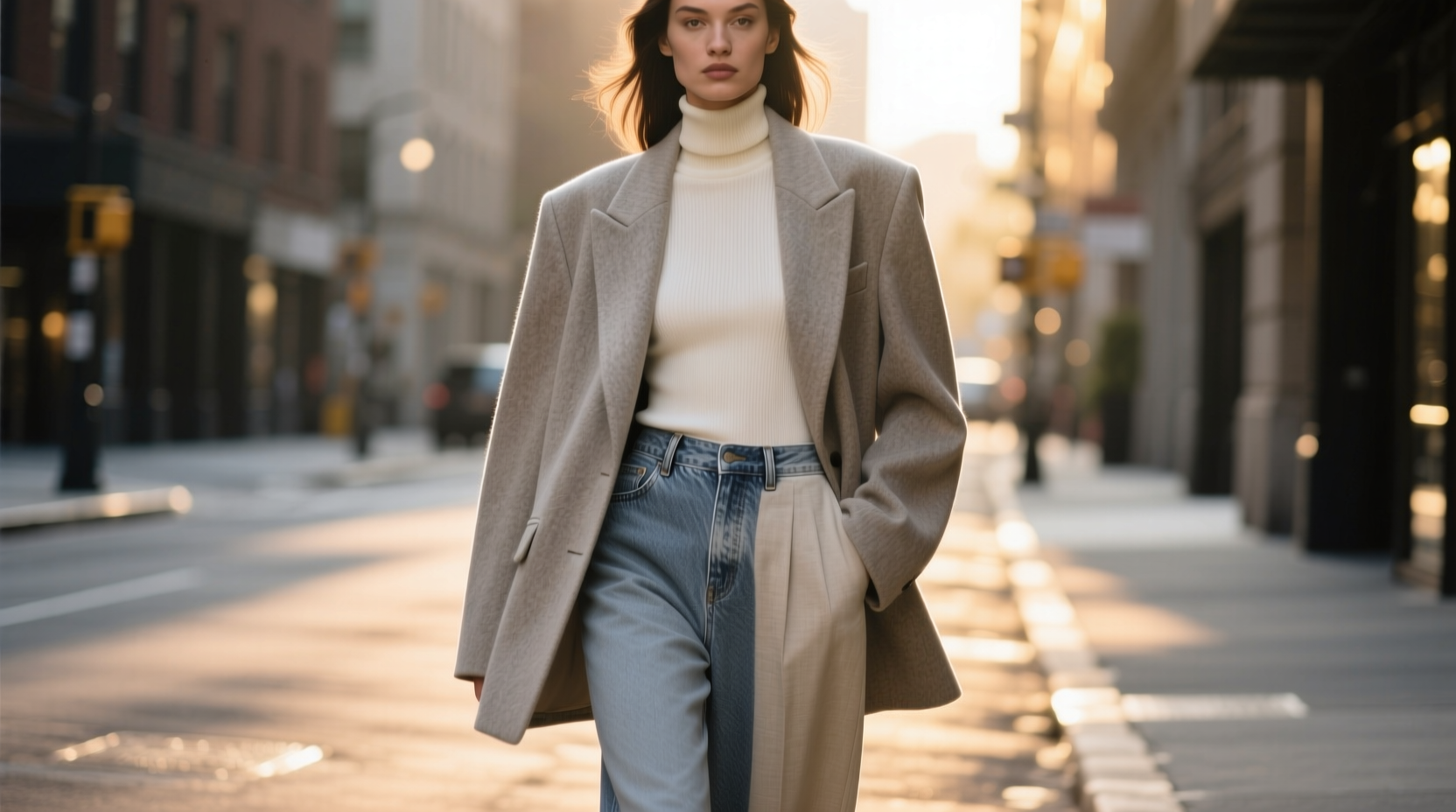
Proportion is the silent architect of any successful outfit. When dealing with an oversized blazer—a piece defined by excess fabric—controlling visual balance becomes essential. The goal is to avoid appearing drowned in fabric while still honoring the garment’s relaxed aesthetic.
Start by assessing your body shape and natural lines. Taller individuals often carry volume more easily, but even petite frames can wear oversized blazers effectively with smart pairings. The trick is counterbalancing: if the top half is expanded, keep the lower half streamlined. For example, pair a wide-cut blazer with slim trousers or fitted jeans. Conversely, if you’re wearing loose pants, consider a slightly less voluminous blazer or cinch the waist to create definition.
Vertical lines also play a role. A single-breasted blazer with higher button placement elongates the torso, making the wearer appear taller and preventing the coat from visually cutting them in half. Double-breasted styles can work, but only if the lapels are narrow and the cut avoids excessive bulk across the chest.
Fit Matters—Even in Oversized Fashion
“Oversized” does not mean “ill-fitting.” There’s a critical difference between intentional volume and poor tailoring. A well-chosen oversized blazer should drape cleanly over the shoulders, with sleeves ending at the base of the thumb and the hem falling near the hip or upper thigh. Shoulder seams should sit just beyond the edge of your natural shoulder—no more than 1–2 inches—to maintain structure without slipping into sloppiness.
Fabric weight influences perceived fit. Heavy tweed or thick wool blazers naturally add bulk, so they require stricter attention to overall silhouette. Lighter materials like cotton blends or unlined linen allow for more forgiving volume, especially in warmer climates or casual settings.
“An oversized blazer should whisper confidence, not shout impracticality. The best ones enhance your presence without erasing your form.” — Lena Park, Menswear-Informed Stylist & Founder of Thread Logic
To test whether a blazer works, move in it. Raise your arms, sit down, reach forward. If the fabric pulls excessively or restricts motion, it’s too tight despite its size. If it flaps open uncontrollably or slides off your shoulders, it’s too loose. The ideal oversized blazer feels like a second skin with room to breathe.
Dressing for Occasion: Context Is Everything
One reason oversized blazers sometimes look costumey is context mismatch. Wearing a dramatic, floor-skimming double-breasted blazer to brunch may read as performative, while a cropped, slouchy linen version could underwhelm in a boardroom.
Consider the setting when selecting both cut and fabric:
- Casual Daywear: Opt for unstructured cotton, denim, or lightweight wool. Pair with a fitted turtleneck, straight-leg jeans, and minimalist sneakers.
- Workplace Wear: Choose tailored wool or crepe blazers with clean lines. Team with tapered trousers and pointed flats or loafers. Avoid excessive distressing or exaggerated shoulders.
- Evening/Event Wear: Luxe fabrics like velvet, silk blends, or satin-trimmed wools shine here. Style with a sleek slip dress or high-waisted wide-leg pants and heels.
Real-Life Example: From Office to Dinner
Sophie, a 32-year-old creative director, owns a charcoal-gray oversized wool blazer with peak lapels. During the week, she wears it over a black shell top and cigarette trousers with low block heels—professional yet relaxed. After work, she swaps the trousers for leather leggings, adds gold hoops and ankle boots, and carries a metallic clutch. The same blazer transitions seamlessly because the foundation garments change the energy. The sharpness of the tailored bottom keeps the silhouette grounded during the day; the edgy contrast elevates it at night.
This illustrates how context-driven styling prevents the blazer from becoming a costume: it adapts, rather than dominates.
The Power of Layering Done Right
Layering is where oversized blazers truly come alive—but also where mistakes happen. Too many bulky layers beneath a large coat create a puffy, cartoonish effect. The solution? Strategic minimalism.
Stick to thin, form-fitting base layers: fine-gauge merino sweaters, silk camisoles, or lightweight turtlenecks. These provide warmth and texture without adding volume. If wearing a shirt underneath, leave it untucked unless partially tucked (front only) to preserve fluidity.
Avoid double outerwear unless carefully balanced. Don’t layer a chunky cardigan under a blazer, for instance. Instead, reverse the order: wear the blazer as a mid-layer over a dress or long-sleeve top, then add a long-line coat on top.
| Layering Approach | Recommended | Not Recommended |
|---|---|---|
| Base Layer | Silk tank, fitted tee, thin turtleneck | Thick hoodie, cable-knit sweater |
| Middle Layer | Oversize blazer over dress or button-down | Blazer over chunky knit or another jacket |
| Outer Layer | Trench, long coat, or duster over blazer | Puffer vest or short bomber over blazer |
Step-by-Step Guide: Building an Oversized Blazer Outfit
- Select the right blazer: Ensure shoulder drape and length suit your height and lifestyle.
- Choose a fitted base: Wear something close to the body—tank, cami, or slim sweater.
- Add structure below: Pair with tailored pants, pencil skirt, or slim jeans.
- Define the waist (optional): Add a slim belt over the blazer or tuck in your top.
- Finish with footwear: Ankle boots, loafers, or pointed-toe flats ground the look.
- Accessories: Minimal jewelry and a structured bag complete the ensemble without clutter.
Common Pitfalls and How to Avoid Them
Even stylish individuals fall into traps when styling oversized blazers. Awareness is the first step toward refinement.
- Over-accessorizing: Multiple necklaces, stacked bracelets, and bold hats compete with the blazer’s presence. Stick to one focal point.
- Ignoring hemlines: A blazer that ends mid-buttock can shorten legs. Aim for hip-length or slightly longer for elongation.
- Wearing all-oversized everything: Combining baggy blazers with wide-leg pants and loose tops creates shapelessness. Mix volumes intentionally.
- Choosing the wrong shoes: Crocs, flip-flops, or overly sporty sneakers undermine the blazer’s sophistication. Match footwear to the outfit’s tone.
“In fashion, exaggeration needs anchoring. Every oversized piece demands a disciplined counterpart.” — Marcus Tran, Editorial Stylist at *Vogue Living*
Checklist: Style Your Oversized Blazer Like a Pro
- ✅ Shoulder seams extend slightly beyond natural shoulder line (1–2 inches max)
- ✅ Sleeves end at the base of the thumb
- ✅ Hem hits at or just below the hip
- ✅ Paired with at least one fitted garment (top, bottom, or both)
- ✅ Waist is defined either through fit or accessory (belt, tuck, etc.)
- ✅ Shoes are polished and proportionate (no extreme contrasts)
- ✅ Outfit respects the occasion (not too theatrical for the setting)
- ✅ Movement feels natural—no pulling, gaping, or slipping
Frequently Asked Questions
Can petite people wear oversized blazers?
Yes, but with precision. Choose shorter hemlines (ending at the hip) and avoid exaggerated shoulders. Pair with high-waisted bottoms to maintain leg length. Vertical lines, like a long necklace or monochrome outfit, help elongate the frame.
Should I ever size down in an oversized blazer?
Rarely. The point of an oversized blazer is intentional excess. If a smaller size fits snugly, it defeats the purpose. Instead, try a different cut—some brands offer “relaxed” fits that are roomy but not overwhelming. Always prioritize shoulder and sleeve fit over chest width.
How do I stop my oversized blazer from gapping open?
Gaping usually occurs due to hip or bust fullness. Solutions include using a magnetic closure clip inside, wearing a slim belt, or layering a snug vest or bodysuit underneath to smooth the silhouette. Some stylists use discreet double-sided tape along the inner placket for temporary hold.
Final Thoughts: Own the Look, Don’t Let It Own You
An oversized blazer shouldn’t be worn passively. It’s not a blanket you throw on—it’s a statement piece that requires curation. When styled with awareness of proportion, fit, and context, it becomes a powerful tool for expressing modern elegance. The most compelling looks aren’t those where the blazer dominates, but where it complements: enhancing posture, framing the body, and elevating simple pieces into something memorable.
Fashion thrives on balance. Volume invites attention, but control earns respect. By respecting the architecture of clothing and dressing for your life—not just the trend—you transform what could be a costume into a signature style.




 浙公网安备
33010002000092号
浙公网安备
33010002000092号 浙B2-20120091-4
Comments
No comments yet. Why don't you start the discussion?