
A well-chosen skirt suit is one of the most powerful tools in a modern wardrobe. It combines professionalism with elegance, offering versatility for office wear, interviews, or formal events. But the key to unlocking its full potential lies in styling it to complement your unique body shape. When tailored correctly and styled intentionally, a skirt suit doesn’t just fit—it enhances, balances, and empowers. The goal isn’t to conform to trends but to use fashion as a tool for self-expression and confidence.
Every body is different, and so are the ways clothing interacts with it. Understanding proportions, waist placement, hemlines, and fabric behavior allows you to make informed choices that highlight your best features. Whether you're pear-shaped, apple-shaped, hourglass, rectangle, or petite, there’s a way to wear a skirt suit that makes you feel both polished and authentic.
Know Your Body Shape: The Foundation of Flattering Style
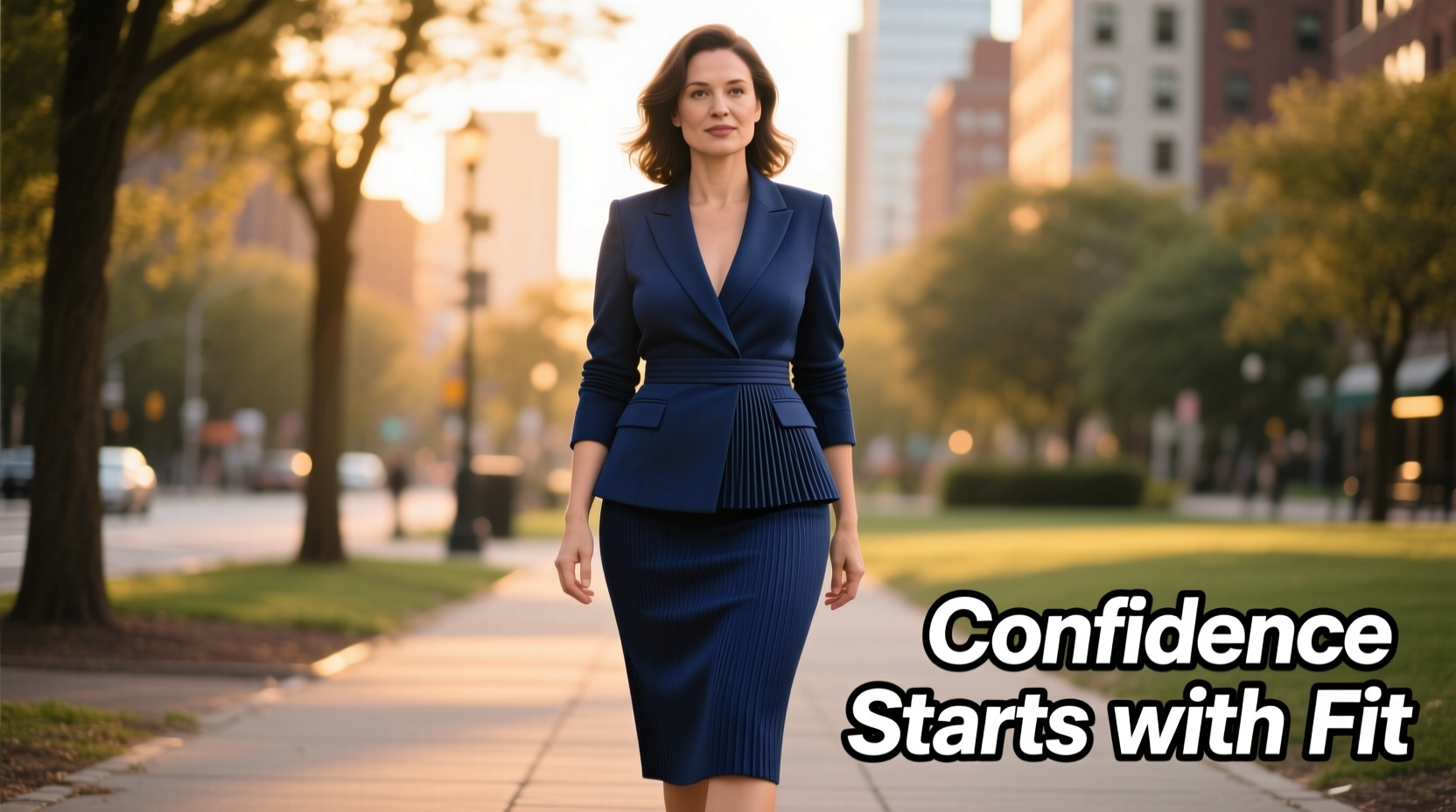
Before selecting cuts and silhouettes, identify your dominant body shape. This isn’t about fitting into a category—it’s about understanding balance. Here’s a quick guide:
- Hourglass: Balanced bust and hips with a defined waist. Focus on nipping-in waists and structured jackets.
- Pear (Triangle): Hips wider than shoulders. Draw attention upward with bold necklines or statement blazers.
- Apple (Inverted Triangle): Broader shoulders or bust with narrower hips. Soften the upper body with V-necks and A-line skirts.
- Rectangle (Straight): Minimal waist definition. Create curves with belted jackets and pencil skirts.
- Petite: Shorter stature. Prioritize proportion—shorter jacket lengths and mid-thigh hems keep lines clean.
“Fit is non-negotiable. A suit that drapes well on your frame does more for confidence than any trend ever could.” — Lena Torres, Fashion Stylist & Wardrobe Consultant
The Right Cut for Every Silhouette
Cut determines how fabric moves around your body. Even high-quality materials can misfire if the cut doesn’t align with your proportions. Below is a breakdown of optimal skirt suit styles by body type:
| Body Type | Best Jacket Style | Best Skirt Style | Avoid |
|---|---|---|---|
| Hourglass | Fitted, double-breasted, peplum | Pencil, slightly flared | Boxy cuts, oversized lapels |
| Pear | Structured shoulder, notch lapel | A-line, slight flare from hip | Tight pencil skirts, low-rise |
| Apple | V-neck, open drape, unstructured | Midi-length A-line | Tailored waists, padded shoulders |
| Rectangle | Belted, cropped, waist-cinching | Pencil with side slit, slight curve | Longline jackets without shaping |
| Petite | Shorter length, single-button | Mid-thigh pencil or A-line | Overly long jackets, wide lapels |
Color, Fabric, and Proportion: The Subtle Influencers
While cut is paramount, color and fabric play supporting roles in creating a balanced appearance. Darker tones like navy, charcoal, or deep burgundy create a slimming effect, while lighter shades draw attention. Use this strategically: if you want to emphasize the upper body, consider a light-colored jacket with a darker skirt.
Fabric weight impacts drape. Stiff wools hold structure well—ideal for defining shapes—but may add volume where unwanted. Soft blends like wool-silk or stretch crepe mold gently to curves, offering comfort and fluidity. For apple shapes, medium-weight fabrics with drape help soften angles. Pear shapes benefit from stiffer A-line skirts that maintain shape without clinging.
Proportion is equally critical. A long jacket on a petite frame can shorten legs; pairing it with heels and a higher hem restores balance. Conversely, tall women can carry longer lines but should avoid overwhelming their frame with excessive volume.
Step-by-Step Guide: Building Your Ideal Skirt Suit Look
- Assess your body shape in front of a mirror—note where width, height, and curves fall.
- Select a jacket cut that complements your top half (e.g., V-neck for apples, structured shoulders for pears).
- Choose a skirt that balances your hips and waist—A-line for volume distribution, pencil for elongation.
- Match proportions: Ensure jacket length aligns with your torso. Cropped works for petites; hip-length suits most.
- Pick fabric and color to enhance your goals—dark tones for minimization, textures for interest.
- Complete the look with shoes and accessories that continue the line (e.g., pointed-toe heels extend leg length).
Real-Life Example: Transforming a Wardrobe Dilemma
Sophia, a 34-year-old project manager with a pear-shaped figure, struggled with skirt suits that emphasized her hips. Off-the-rack options often felt tight below the waist and loose up top, undermining her confidence during client meetings. After a consultation, she switched to a navy notch-lapel blazer with slight shoulder padding and paired it with a high-waisted A-line skirt in a medium-weight fabric. The new combination balanced her proportions, drawing eyes upward with the structured shoulders while the skirt softly flared from the waist. She added a silk scarf in coral to highlight her face. The result? Multiple compliments and a noticeable shift in how she carried herself in professional settings.
Essential Styling Checklist
Use this checklist before purchasing or wearing a skirt suit:
- ✅ Jacket buttons comfortably without pulling
- ✅ Skirt sits at the natural waist or slightly above
- ✅ Hem hits mid-thigh or just above the knee for professionalism
- ✅ Shoulders of the jacket align with your own
- ✅ Fabric has enough stretch or drape for movement
- ✅ Shoes elevate the look—pumps or ankle boots with a heel
- ✅ Accessories are minimal but intentional (watch, stud earrings)
- ✅ Outfit feels comfortable when sitting, standing, and walking
Frequently Asked Questions
Can I wear a pencil skirt if I have thick thighs?
Yes—choose a pencil skirt with strategic stretch (2–5% elastane) and a back vent or side slit for ease of movement. Pair it with a longer jacket or tunic-style blazer to balance proportions. Avoid overly tight fits or stiff fabrics that cling.
What shoes work best with a skirt suit?
Classic pumps with a 2–3 inch heel offer timeless polish. Pointed toes elongate the leg, while block heels provide stability. For a modern twist, try sleek ankle boots in cooler months. Avoid chunky sandals or athletic shoes unless the setting is deliberately casual.
How do I style a skirt suit for a curvy figure?
Focus on structure and fit. Choose a jacket with a defined waist or add a slim belt. Opt for A-line or slight flare skirts that skim rather than squeeze. Tailoring is essential—off-the-rack sizes rarely account for curve distribution. Consider custom alterations for a flawless finish.
Final Thoughts: Confidence Begins with Fit
Styling a skirt suit isn’t about chasing perfection—it’s about celebrating your form with intention. The most elegant look isn’t determined by price tags or brands, but by how thoughtfully each piece works with your body. When you invest time in understanding what flatters your shape, you’re not just dressing—you’re empowering yourself.
Start small: assess one current suit using the principles above. Try adjusting the jacket length, changing footwear, or adding a belt. Notice how subtle shifts influence your posture and mood. Then build from there. Fashion is personal, and your skirt suit should reflect not just professionalism, but personality.




 浙公网安备
33010002000092号
浙公网安备
33010002000092号 浙B2-20120091-4
Comments
No comments yet. Why don't you start the discussion?