
In an era where smartphones are as much a fashion statement as they are tools for communication, the accessories we choose speak volumes about our personal style. Among these, the phone case has evolved from a mere protective shell into a curated extension of one’s aesthetic. A designer phone case is no longer just about safeguarding your device—it’s about elevating your ensemble with intention, cohesion, and flair. When selected thoughtfully, it becomes a silent yet powerful accessory that ties together colors, textures, and moods across your wardrobe.
The Role of the Phone Case in Modern Style
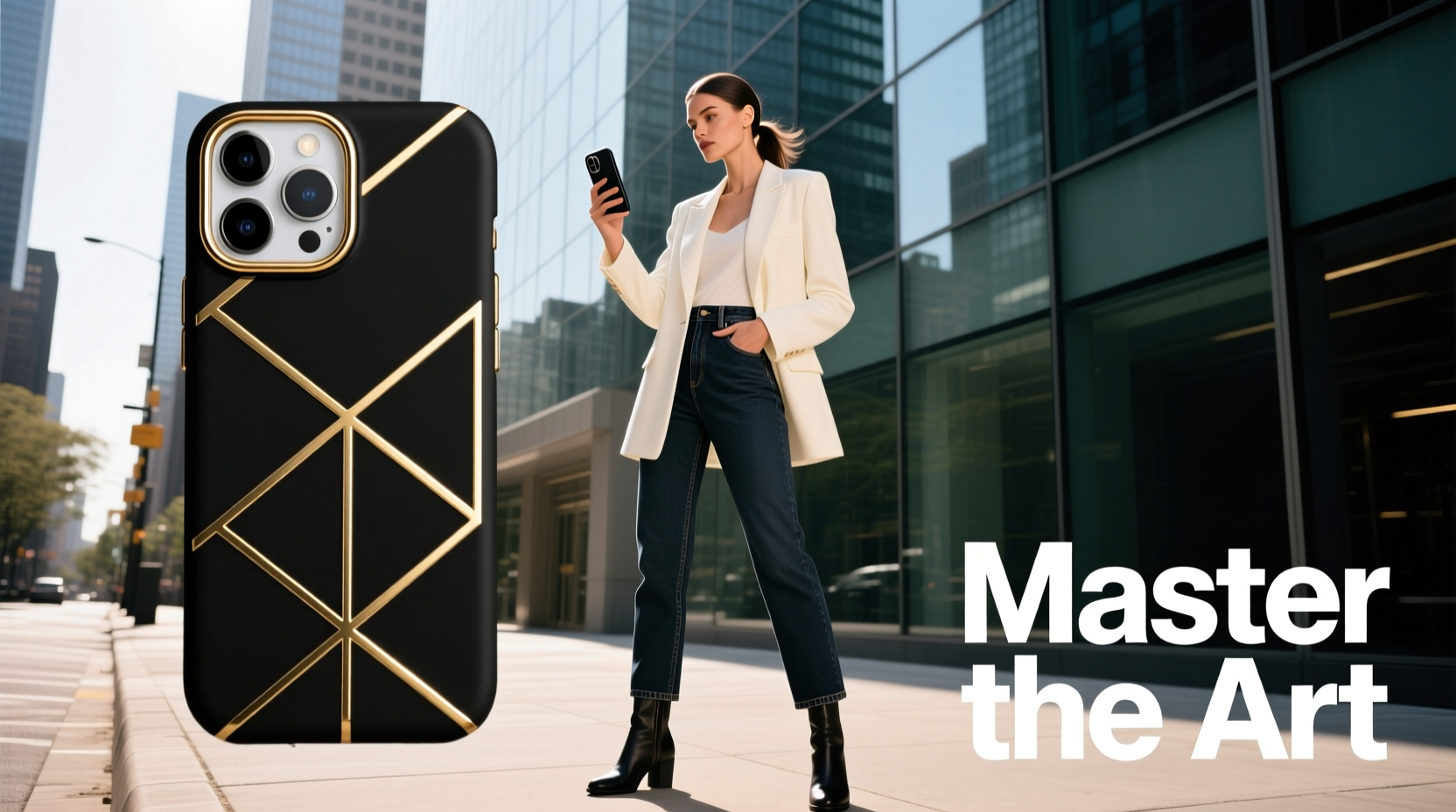
Gone are the days when a phone was tucked discreetly into a pocket or bag. Today, it's constantly in hand—in meetings, at cafes, during photoshoots, and on social outings. This visibility makes the phone case a de facto accessory, akin to a watch, scarf, or pair of sunglasses. Designer cases from brands like Casetify, Bellroy, Stussy, or collaborations with luxury labels such as Gucci or Rimowa offer both craftsmanship and identity.
Unlike fleeting trends, a well-chosen designer case provides lasting value by combining durability with design intelligence. It protects against drops and scratches while contributing to visual harmony. The best ones don’t clash with your look—they complete it.
How to Match Your Case to Your Outfit: Principles of Coordination
Effective styling isn’t random; it follows principles of contrast, complement, and context. Apply these when choosing a phone case:
- Color Harmony: Use the 60-30-10 rule—60% dominant color (outfit), 30% secondary (shoes/bag), 10% accent (case). A bold red case pops beautifully against neutral tones.
- Material Echoing: If you’re wearing suede boots or a leather jacket, opt for a case with similar texture. Grain-finish leather or matte silicone mimics tactile sophistication.
- Seasonal Adaptation: Rotate cases seasonally—light pastels in spring, earthy tones in fall, metallics for holiday events.
- Occasion Alignment: A minimalist black case suits professional settings; a vibrant graphic design works for creative gatherings or weekend wear.
“Accessories are the punctuation marks of an outfit. A designer phone case is now part of that grammar.” — Lena Torres, Fashion Stylist & Editorial Consultant
Step-by-Step Guide: Building a Cohesive Look Around Your Phone Case
Follow this five-step process to ensure your phone case enhances rather than distracts from your overall appearance:
- Assess Your Wardrobe Palette: Identify your most-worn colors and materials. Build a capsule collection of 2–3 cases that align with these.
- Select a Focal Point: Decide whether your outfit or your case leads. If wearing all black, let a textured gold-accented case be the highlight.
- Test in Natural Light: Hold your phone beside your outfit. Does the case blend or jar? Adjust based on real-world lighting, not screen images.
- Consider Proportions: Large phones dominate smaller frames. Choose slim-profile cases for petite builds to maintain balance.
- Final Check: Functionality Meets Form: Ensure buttons remain accessible and wireless charging compatibility isn’t compromised.
Do’s and Don’ts: Common Mistakes in Accessorizing with Phone Cases
| Do’s | Don’ts |
|---|---|
| Match case finish (matte/gloss) to footwear or bag hardware | Use a glitter-heavy case with formal attire |
| Invest in modular cases with interchangeable backs for versatility | Pair a bulky case with tailored, fitted clothing |
| Carry a neutral backup case for business meetings | Ignore wear and tear—scratched cases undermine polish |
| Align case color with your signature lipstick or nail shade | Choose logos or loud branding unless intentional to your brand |
Real-Life Example: From Clashing to Cohesive
Sophie, a graphic designer in Portland, used a neon-green transparent case with rainbow stickers for years. While fun, she noticed it clashed with her muted linen wardrobe during client meetings. After consulting a stylist, she switched to a taupe vegan leather case with subtle stitching. Paired with her beige trench coat and cognac loafers, the new case didn’t shout—but it grounded her look. Clients commented on her “put-together” presence, unaware that a $55 case played a pivotal role.
This shift wasn’t about conformity but coherence. Her phone became part of her personal brand: thoughtful, refined, and quietly confident.
Checklist: Curate Your Designer Case Collection
Build a strategic rotation of cases that support your lifestyle and aesthetics:
- ☐ One minimalist case in black, navy, or beige for professional settings
- ☐ One seasonal case (e.g., floral for summer, corduroy for winter)
- ☐ One statement case with artistic print or metallic detail for weekends
- ☐ At least one eco-conscious option made from recycled materials
- ☐ A waterproof or rugged case for travel or outdoor activities
- ☐ Regular cleaning schedule: wipe down every 3 days, deep clean monthly
Frequently Asked Questions
Can a phone case really affect how stylish I look?
Absolutely. Visual continuity matters. A mismatched or worn-out case disrupts the flow of an otherwise polished outfit. Think of it like wearing dirty sneakers with a tailored suit—details define perception.
How often should I replace my designer phone case?
Every 6–12 months, depending on usage. Signs it’s time to replace include discoloration, yellowing (especially in clear cases), loose fit, or visible scuffs. Even high-end materials degrade with constant handling.
Are luxury-branded phone cases worth the investment?
For some, yes—if the design, materials, and brand alignment justify the cost. A $120 case from a heritage brand may last longer and retain resale value compared to cheaper alternatives. However, many independent designers offer premium quality at lower price points without the markup.
Conclusion: Elevate Your Everyday Aesthetic
Mastering the art of accessorizing isn’t reserved for runways or red carpets. It lives in the small, deliberate choices—like selecting a phone case that complements your coat, echoes your bag’s trim, or subtly reflects your mood. A designer case isn’t vanity; it’s intentionality. It signals attention to detail, respect for self-presentation, and an understanding that even the smallest objects carry symbolic weight.
Start today: take inventory of your current case. Does it serve you? Does it reflect who you are—or who you want to be? Swap it if it doesn’t. Build a rotation that moves with your seasons, roles, and rhythms. In doing so, you transform a utilitarian object into a quiet masterpiece of personal expression.




 浙公网安备
33010002000092号
浙公网安备
33010002000092号 浙B2-20120091-4
Comments
No comments yet. Why don't you start the discussion?