
Toothpaste is a daily essential for maintaining oral hygiene. Most people use it without thinking twice about its chemical composition. But when swallowed—even in small amounts—it can pose health risks, especially over time or in vulnerable populations like young children. While brushing, some toothpaste inevitably ends up being ingested, but regular or large-scale swallowing can lead to serious consequences. Understanding the ingredients, potential toxicity, and real-world implications helps ensure safer dental routines for everyone.
The Hidden Dangers in Your Toothpaste Tube
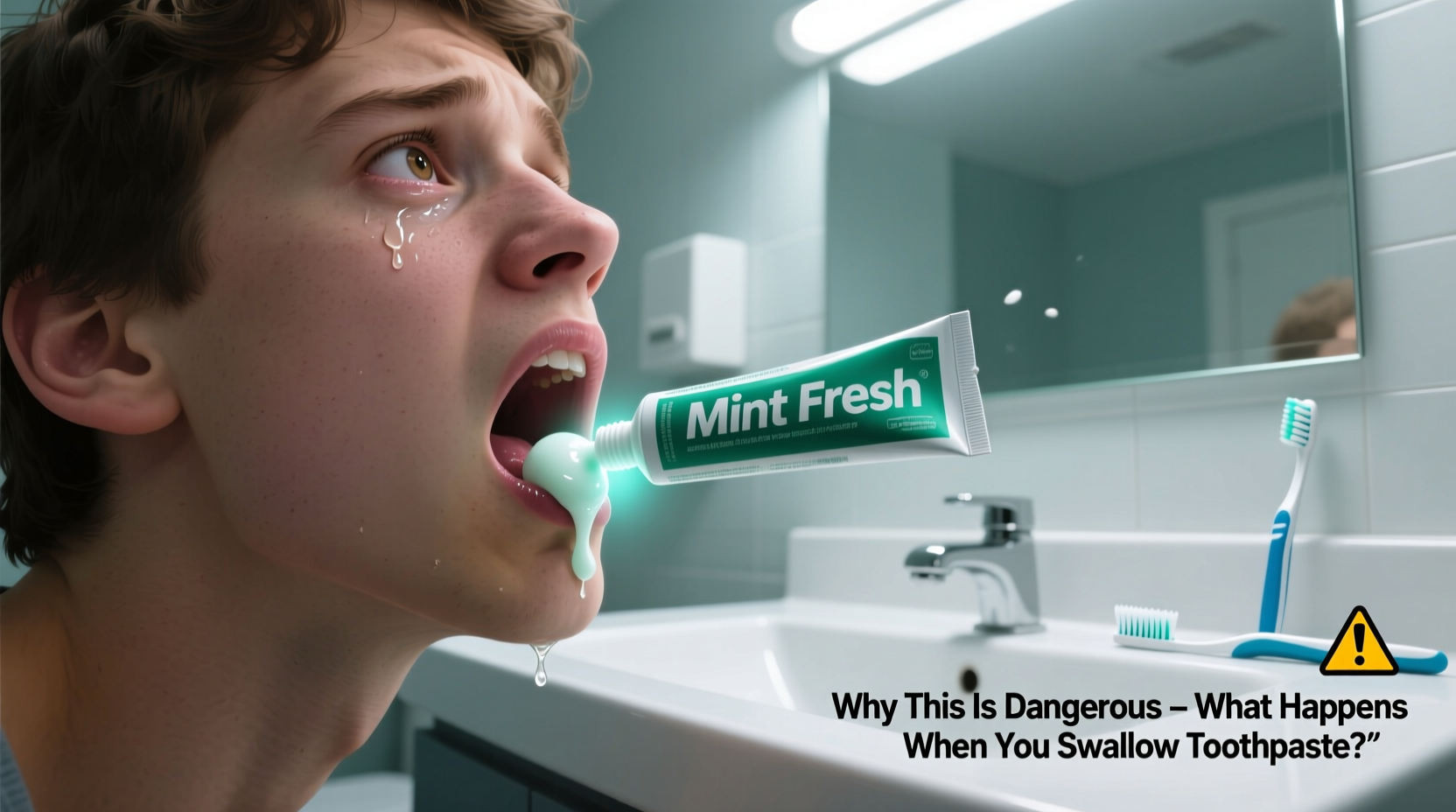
Modern toothpastes contain a blend of abrasives, flavorings, humectants, and active ingredients designed to fight plaque, prevent cavities, and freshen breath. The most common active ingredient in fluoride toothpaste is sodium fluoride, stannous fluoride, or sodium monofluorophosphate. While fluoride strengthens enamel when applied topically, it becomes problematic when consumed internally in excess.
Fluoride works by remineralizing tooth surfaces, making them more resistant to acid attacks from bacteria. However, the body does not require fluoride for biological function, and excessive intake can interfere with cellular processes. Ingesting too much fluoride during childhood, when teeth are still developing, can cause dental fluorosis—a condition marked by white streaks, spots, or even brown discoloration on the enamel.
Besides fluoride, other ingredients such as triclosan (in some antibacterial formulas), sodium lauryl sulfate (a foaming agent), and artificial sweeteners like saccharin may also cause gastrointestinal discomfort or allergic reactions when swallowed regularly.
What Happens When You Swallow Toothpaste?
The effects of swallowing toothpaste depend on several factors: the amount ingested, the type of toothpaste, frequency of ingestion, and age of the individual. Occasional minor swallowing—such as the small residue left after brushing—is generally not harmful for adults. However, habitual or large-volume ingestion changes the risk profile significantly.
In acute cases, swallowing a significant amount of fluoride-containing toothpaste can trigger immediate symptoms:
- Nausea and stomach pain
- Vomiting
- Drooling or increased salivation
- Weakened muscle control (in severe cases)
If large quantities are consumed—especially by a child—the risk of fluoride toxicity increases. Acute fluoride poisoning, though rare, can occur with ingestion exceeding 5 mg of fluoride per kilogram of body weight. For reference, a standard pea-sized amount of adult toothpaste contains about 1–1.5 mg of fluoride. A full tube could contain enough fluoride to be dangerous if swallowed entirely by a small child.
“Parents often don’t realize that flavored children’s toothpastes can encourage swallowing. Even mild overexposure to fluoride during developmental years can result in lifelong cosmetic dental issues.” — Dr. Lena Patel, Pediatric Dentist
Long-Term Risks of Regular Ingestion
Repeatedly swallowing toothpaste—even in small doses—can lead to cumulative health problems. Chronic low-level fluoride ingestion has been linked to:
- Dental fluorosis: Permanent staining or pitting of tooth enamel in children under 8.
- Skeletal fluorosis: A rare condition caused by decades of excessive fluoride accumulation, leading to joint stiffness and bone density changes.
- Gastrointestinal disturbances: Ongoing irritation from detergents and artificial additives.
- Potential endocrine disruption: Some studies suggest high fluoride levels may affect thyroid function, though evidence remains inconclusive.
Children are at higher risk because their bodies absorb fluoride more efficiently than adults, and their developing teeth are more susceptible to discoloration. The American Dental Association (ADA) recommends using only a smear (grain-of-rice size) of fluoride toothpaste for children under 3 and a pea-sized amount for those aged 3 to 6.
Real-Life Example: A Case of Accidental Overuse
A 4-year-old boy began showing faint white mottling on his front teeth. His parents were diligent about brushing twice daily but allowed him to use an adult-flavored mint toothpaste because he enjoyed the taste. He often refused to spit it out completely and would swallow most of the paste. After evaluation, the pediatric dentist diagnosed mild dental fluorosis due to chronic ingestion of too much fluoride during critical enamel formation stages. The family switched to a training toothpaste with lower fluoride content and implemented a strict “spit, don’t swallow” routine. No further damage occurred, but the existing discoloration remained permanent.
Do’s and Don’ts: Safe Toothpaste Use Guidelines
| Do’s | Don’ts |
|---|---|
| Use a rice-grain-sized amount for infants and toddlers | Let children use adult-strength toothpaste unsupervised |
| Supervise brushing until age 7–8 | Allow kids to eat toothpaste like candy (especially flavored ones) |
| Choose fluoride levels appropriate for age | Rinse mouth excessively with water after brushing—this washes away protective fluoride |
| Store toothpaste out of reach of young children | Ignore persistent nausea or stomach upset after suspected ingestion |
| Teach proper spitting technique early | Use natural or “non-toxic” toothpastes without checking actual ingredients |
Step-by-Step Guide to Prevent Accidental Ingestion
- Educate Early: Begin teaching children how to spit during brushing as soon as they start using toothpaste, typically around age 2.
- Measure the Amount: Use only a smear or pea-sized portion depending on age. Avoid filling the brush tip-to-tip.
- Choose Wisely: Opt for children’s toothpastes with reduced fluoride (at least 1,000 ppm) and avoid those with artificial colors or strong candy flavors that encourage swallowing.
- Supervise Brushing: Stay with children until they reliably spit out the paste every time.
- Rinse Minimally: After spitting, rinse with just a small sip of water. Excessive rinsing removes beneficial fluoride.
- Store Safely: Keep all toothpastes—especially flavored or brightly colored ones—out of reach, like any other household chemical.
Frequently Asked Questions
Is it dangerous to swallow a little toothpaste?
Occasionally swallowing a very small amount (like residual paste after brushing) is generally not harmful for adults or older children. However, repeated or intentional swallowing—even in small doses—can contribute to long-term issues like dental fluorosis in young children or gastrointestinal irritation.
What should I do if my child swallows a lot of toothpaste?
Stay calm. Check the product label for fluoride content and estimate how much was ingested. If your child shows symptoms like vomiting, drooling, or abdominal pain—or if they consumed more than 5 mg of fluoride per kg of body weight—call Poison Control immediately (1-800-222-1222 in the U.S.) or seek emergency medical help.
Are “natural” or “edible” toothpastes safe to swallow?
While marketed as non-toxic, many natural toothpastes still contain ingredients not meant for consumption in large amounts. Baking soda, essential oils, or herbal extracts can irritate the stomach or interact with medications. Even if labeled “safe if swallowed,” these products should still be used in moderation and not eaten like food.
Final Thoughts: Small Habits, Big Impact
Swallowing toothpaste might seem harmless, especially when it happens occasionally or involves tiny amounts. But understanding the ingredients and their effects reveals a different story—one where prevention and awareness play crucial roles in protecting both short-term comfort and long-term health. Whether you’re a parent guiding a toddler through their first brushing experiences or an adult reevaluating your own habits, mindful use of toothpaste makes a meaningful difference.
Simple changes—like measuring the right amount, supervising young brushers, and choosing appropriate products—can prevent unnecessary exposure to chemicals designed for external use only. Oral care shouldn’t come at the cost of systemic health.




 浙公网安备
33010002000092号
浙公网安备
33010002000092号 浙B2-20120091-4
Comments
No comments yet. Why don't you start the discussion?