
Despite being one of the most widely consumed root vegetables in American homes—especially during fall and winter holidays—the sweet potato is also one of the most misunderstood ingredients in the kitchen. The term “sweet potato” is often used interchangeably with “yam,” leading to persistent confusion about what people are actually eating. More perplexing still is how dramatically different one sweet potato can be from another, even though they all carry the same name. This isn’t just a case of mistaken identity—it’s a matter of botany, regional labeling practices, and culinary function. To cook with precision and confidence, it's essential to understand that not all sweet potatoes are created equal. In fact, when you compare the sweet potato to itself—its own varieties—you uncover a spectrum of textures, colors, sugar levels, and cooking behaviors that demand thoughtful selection.
The core of the misunderstanding lies in nomenclature. What many Americans call “yams” are, in reality, specific cultivars of sweet potatoes. True yams are an entirely different species native to Africa and Asia, rarely found in standard U.S. supermarkets. Meanwhile, within the *Ipomoea batatas* family—the actual botanical name for sweet potatoes—there are dozens of distinct varieties grown worldwide, each suited to particular dishes and methods. This article dissects the sweet potato by its own internal diversity, clarifying the differences between common types available in North America, explaining their functional roles in cooking, and offering practical guidance for using them correctly.
Definition & Overview
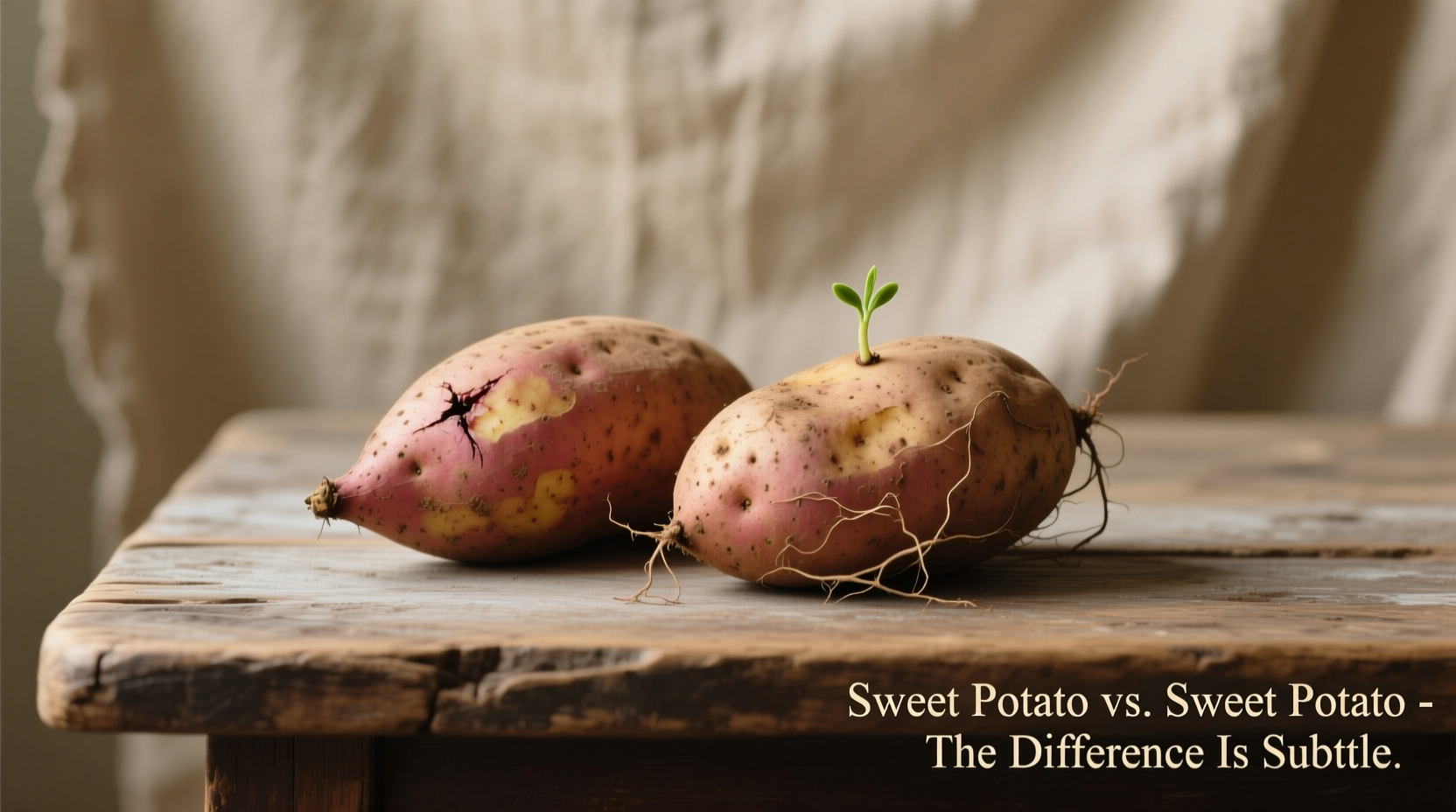
The sweet potato (*Ipomoea batatas*) is a dicotyledonous plant belonging to the morning glory family, Convolvulaceae. Unlike the common white or russet potato (*Solanum tuberosum*), which is a nightshade, the sweet potato is a storage root that develops underground, storing energy in the form of starches and sugars. Native to Central and South America, it has been cultivated for over 5,000 years and was among the first New World crops brought to Europe, Africa, and Asia following early transoceanic contact.
In modern culinary contexts, especially in the United States, the term \"sweet potato\" broadly refers to several commercially available cultivars distinguished primarily by skin color, flesh color, texture, and sugar content. These range from moist and orange-fleshed types often labeled as “yams” in grocery stores, to drier, pale-yellow varieties resembling traditional baking potatoes, to purple-skinned, jewel-toned roots with earthy-sweet profiles. Despite sharing a name, these variants behave very differently when roasted, mashed, fried, or baked—making accurate identification crucial for recipe success.
Key Characteristics
To distinguish between sweet potato types effectively, consider the following attributes:
| Attribute | Jewel (Orange-Fleshed) | Garnet (Moist Red-Skinned) | Beauregard (Deep Orange) | Japanese / Okinawan (Purple) | Oriental / Hannah (Yellow/Cream) |
|---|---|---|---|---|---|
| Flesh Color | Bright orange | Deep orange-red | Vibrant orange | Pale lavender to deep violet | Cream to pale yellow |
| Texture (Cooked) | Moist, tender, creamy | Very moist, almost syrupy | Soft, juicy, dense | Dense, slightly waxy | Dry, fluffy, mealy |
| Sugar Content | High | Very high | High | Moderate | Low to moderate |
| Skin Color | Tan to copper | Reddish-brown | Rusty red | Tan with purple tinge | Gold to pale tan |
| Cooking Best For | Mashing, roasting, casseroles | Pies, purées, glazes | General-purpose, fries | Steaming, stir-fries, desserts | Baking, frying, savory sides |
| Shelf Life (Pantry) | 3–4 weeks | 3 weeks | 3–5 weeks | 2–3 weeks | 4–6 weeks |
These characteristics reveal why substituting one type for another without adjustment can lead to disappointing results—a dry Hannah sweet potato will never caramelize like a Garnet, nor should a sticky Beauregard be used where fluffiness is desired.
Practical Usage: How to Use Each Type
Understanding the behavior of each sweet potato variety under heat allows for better dish planning. Here’s how to use them based on real-world applications:
Jewel & Beauregard (Orange-Fleshed, Moist Types)
These are the most commonly sold “sweet potatoes” in U.S. supermarkets and are often mislabeled as “yams.” Their high moisture and sugar content make them ideal for caramelization. When roasted at high temperatures (400°F/200°C), they develop rich, nutty flavors and soft interiors perfect for mashing or stuffing.
Best Uses:
- Mashed sweet potatoes with butter and cinnamon
- Roasted wedges tossed in olive oil and smoked paprika
- Sweet potato casserole topped with pecans and marshmallows
- Blended into soups or bisques for natural sweetness
Pro Tip: Roast instead of boiling to preserve flavor and avoid waterlogging. Cut into even chunks, toss with avocado oil, season with salt and rosemary, and roast until fork-tender—about 30–40 minutes.
Garnet (Deep Orange, Very Sweet)
The Garnet variety is exceptionally sugary and moist, making it excellent for desserts where intense sweetness and smooth texture are key. Its flesh breaks down easily when cooked, yielding silky purées.
Best Uses:
- Sweet potato pie (classic Southern style)
- Homemade baby food (naturally sweet and nutrient-dense)
- Smoothies (adds creaminess and natural sugar)
- Candied sweet potatoes with brown sugar and bourbon glaze
Because of its low starch-to-sugar ratio, Garnet does not hold shape well in stews or gratins. Avoid using it in savory dishes requiring firmness.
Japanese & Okinawan (Purple-Fleshed)
These visually striking sweet potatoes have a mildly sweet, chestnut-like flavor and denser texture. They retain their vibrant hue when cooked, making them popular in artisanal and health-focused cuisine.
Best Uses:
- Steamed and served whole with sea salt
- Used in mochi, puddings, and Japanese-style confections
- Sliced thin for salads or grain bowls
- Roasted with sesame oil and scallions for umami depth
Due to their lower glycemic index compared to orange varieties, purple sweet potatoes are favored in diabetic-friendly and low-sugar diets. However, they require longer cooking times due to higher density.
Hannah / Oriental (Yellow/Cream-Fleshed)
This lesser-known but highly versatile type resembles a russet potato in texture—dry, starchy, and fluffy when baked. It has a subtle sweetness, more earth than sugar, allowing it to blend seamlessly into savory preparations.
Best Uses:
- Baked whole and split open like a classic baked potato
- Fried into crispy sweet potato fries (less prone to sogginess)
- Savory hash with onions, peppers, and herbs
- Thickening agent in chowders and stews
Chef’s Note: Hannah sweet potatoes absorb flavors well. Try seasoning the cooking water with bay leaf or garlic when boiling, or stuff baked halves with goat cheese and thyme for a refined side dish.
Variants & Types: Beyond the Grocery Label
The confusion surrounding sweet potatoes begins at the retail level. Most U.S. grocery stores label any long, red-skinned, orange-fleshed sweet potato as a “yam,” a practice rooted in early 20th-century marketing. Farmers began calling orange-fleshed varieties “yams” to differentiate them from the paler, drier types already in circulation. The U.S. Department of Agriculture now requires labels that say “yam” to also include “sweet potato,” but the dual naming persists.
True yams (*Dioscorea* spp.) are monocots native to West Africa, Asia, and the Caribbean. They are starchier, less sweet, and typically larger than sweet potatoes, with rough, bark-like skin and white or yellow flesh. True yams are rarely found outside ethnic markets and are not interchangeable with sweet potatoes in recipes.
Within the sweet potato category, new specialty cultivars are emerging in farmers’ markets and organic grocers:
- Covington: A North Carolina-developed variety similar to Beauregard but with tighter texture; excellent for fries.
- Porto Rico: Known for rapid growth and bright color; often used in processed foods.
- White Sweet Potatoes: Not to be confused with Hannah, some white-fleshed types exist with neutral flavor, ideal for blending into sauces without altering color.
- Mini Sweet Potatoes: Sold in snack packs, these are full-sized varieties harvested early; convenient for roasting whole.
Selecting the right variant depends on your intended outcome. For browning and sweetness: choose orange-fleshed. For structure and neutrality: opt for yellow or white. For visual drama: go purple.
Comparison with Similar Ingredients
While sweet potatoes are frequently compared to yams, pumpkins, or carrots, the most useful comparison is internal—how one sweet potato compares to another. Below is a breakdown of key distinctions:
| Feature | Moist Orange (Jewel/Garnet) | Dry Yellow (Hannah) | Purple (Okinawan) |
|---|---|---|---|
| Starch Content | Low | High | Moderate |
| Water Content | High | Medium | Low |
| Caramelization Ability | Excellent | Fair | Good |
| Flavor Profile | Sugary, honeyed | Earthy, mild | Nutty, floral |
| Suitability for Frying | Poor (too wet) | Excellent | Good (if sliced thin) |
| Ideal Cooking Method | Roasting, mashing | Baking, frying | Steaming, roasting |
This contrast underscores that treating all sweet potatoes the same leads to inconsistent results. A chef aiming for crisp oven fries would fail with a Jewel but succeed with a Hannah. Similarly, a baker seeking deep color and sweetness for pie filling should reach for Garnet, not a pale-fleshed type.
\"The biggest mistake home cooks make is assuming 'sweet potato' is a single ingredient. It's a category—one that behaves like three different vegetables depending on the variety.\" — Chef Lena Tran, Culinary Instructor, Institute of Plant-Based Cuisine
Practical Tips & FAQs
How do I know which sweet potato I’m buying?
Read beyond the label. If the bin says “yam” but the flesh inside is orange, it’s a sweet potato—likely Jewel or Garnet. True yams are rare in mainstream stores and have thick, fibrous skin. Ask produce staff if unsure. Look for firmness, smooth skin, and absence of soft spots.
Can I substitute one sweet potato type for another?
Yes, but with adjustments. Replace moist types with dry ones only if adding liquid (e.g., broth or milk) to compensate for lack of natural moisture. Conversely, reduce added sugar when using Garnet in place of Hannah.
How should I store sweet potatoes?
Keep in a cool, dark, well-ventilated place—never refrigerate. Cold temperatures cause hard centers and off-flavors. Ideal conditions: 55–60°F (13–15°C). Do not store near onions, as ethylene gas accelerates spoilage.
Do sweet potatoes need to be peeled?
Peeling is optional. Skin is edible and rich in fiber and antioxidants, especially in darker-skinned varieties. Scrub thoroughly before roasting or boiling with skin on. Peel for mashing or baking if texture is a concern.
Are sweet potatoes healthier than regular potatoes?
They differ nutritionally. Sweet potatoes are higher in vitamin A (from beta-carotene), vitamin C, and fiber. White potatoes contain more potassium and protein. Both are nutrient-dense when prepared without excess fat or sugar. Choose based on dietary goals, not superiority myths.
Why did my sweet potato turn black when cooked?
This may result from oxidation or reaction with alkaline soil. It’s generally harmless. To prevent discoloration, soak cut pieces in lemon water (acidulated) before cooking. Purple varieties may bleed color into surrounding liquids—expected and safe.
Storage Checklist:
- Inspect for bruises or soft spots before purchase.
- Store unwashed in a basket or paper bag.
- Avoid plastic bags—they trap moisture and promote rot.
- Use within 3–6 weeks depending on variety.
- Do not freeze raw; cook first if freezing for later use.
Summary & Key Takeaways
The phrase “sweet potato compared to itself” captures a fundamental truth: this single ingredient encompasses multiple culinary identities. Recognizing the differences between moist, sugary orange-fleshed types and dry, starchy yellow-fleshed ones transforms cooking from guesswork into precision. The confusion between “sweet potato” and “yam” is largely semantic in the U.S., but the variation within true sweet potatoes is real, significant, and exploitable in the kitchen.
Key takeaways:
- Not all sweet potatoes are the same—flavor, texture, and sugar vary widely by cultivar.
- Jewel, Garnet, and Beauregard are moist, sweet, and best for roasting and desserts.
- Hannah and Oriental types are drier, fluffier, and ideal for savory dishes and frying.
- Purple varieties offer unique color and moderate sweetness, suitable for steaming and specialty dishes.
- Always check flesh color and texture—not just skin or label—to determine usage.
- Store properly to extend shelf life and maintain quality.
Cooking well begins with knowing your ingredients—not just their names, but their nature. By comparing the sweet potato to itself, we gain clarity, control, and creativity in every meal.
Next Step: Visit your local farmers’ market and ask for samples of different sweet potato varieties. Taste them roasted side by side to experience the contrast firsthand. Then, apply that knowledge to your next holiday casserole, weeknight hash, or dessert tart.




 浙公网安备
33010002000092号
浙公网安备
33010002000092号 浙B2-20120091-4
Comments
No comments yet. Why don't you start the discussion?