
For centuries, incense has been a staple in homes, temples, and wellness spaces for its calming aroma and ceremonial significance. Today, essential oil diffusers are rapidly gaining popularity as a modern alternative—touted for their health benefits, cleaner operation, and customizable scents. But is making the switch truly worth the hype? As more people seek healthier, safer ways to fragrance their spaces, this question becomes increasingly relevant. This article breaks down the science, lifestyle implications, and practical considerations behind transitioning from traditional incense to essential oil diffusers.
The Science of Scent: How Incense and Diffusers Work Differently
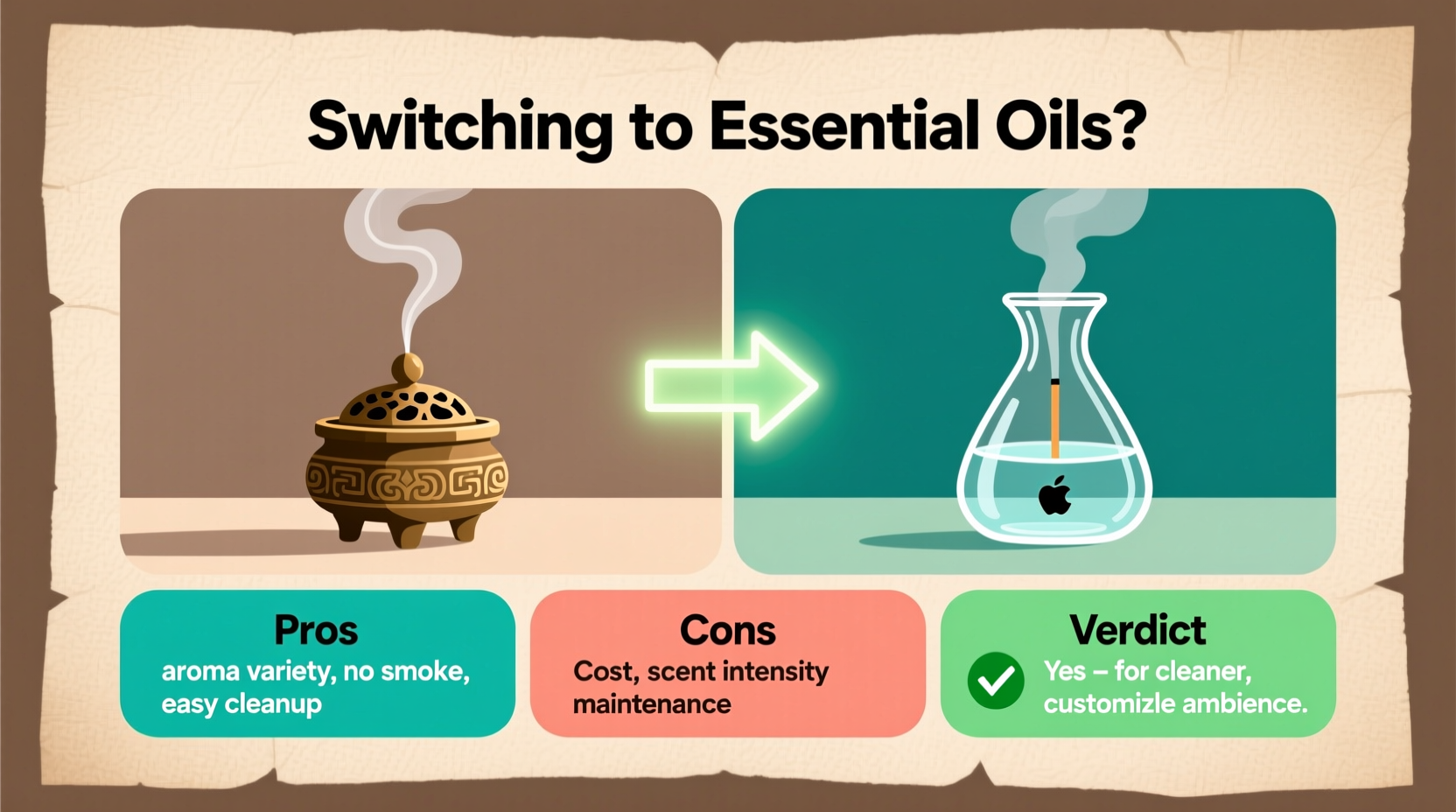
Incense produces fragrance through combustion. When you light a stick or cone, plant resins, woods, and essential oils burn slowly, releasing aromatic smoke. While this method creates a rich, lingering scent, it also emits particulate matter and volatile organic compounds (VOCs), including benzene and formaldehyde—substances linked to respiratory irritation and long-term health risks with prolonged exposure.
In contrast, essential oil diffusers use water and ultrasonic vibrations or airflow to disperse fine mists of pure essential oils into the air without burning anything. This cold diffusion preserves the therapeutic properties of oils like lavender, eucalyptus, or tea tree, allowing users to benefit from aromatherapy without inhaling smoke or soot.
Health and Safety: A Critical Comparison
One of the most compelling reasons to consider switching lies in indoor air quality. According to research published in the journal *Environmental Chemistry Letters*, regular incense burning can increase indoor PM2.5 levels—fine particles that penetrate deep into the lungs—by up to 80%. Chronic exposure has been associated with increased risk of respiratory diseases and even certain cancers.
Essential oil diffusers do not produce smoke or ash, significantly reducing particulate emissions. However, they are not entirely risk-free. Overuse or improper dilution can lead to headaches, dizziness, or sensitization in some individuals. Certain oils, such as cinnamon or clove, are potent and may irritate mucous membranes if diffused excessively.
“Switching from incense to diffusers is a smart move for anyone concerned about indoor air pollution. The absence of combustion makes a measurable difference in lung health over time.” — Dr. Lena Patel, Environmental Health Specialist
Comparative Benefits at a Glance
| Feature | Incense | Essential Oil Diffuser |
|---|---|---|
| Scent Intensity | Strong, immediate | Mild to moderate, adjustable |
| Air Quality Impact | Negative (smoke, soot, VOCs) | Neutral to positive (no combustion) |
| Lifespan per Use | 15–45 minutes | 1–4 hours (adjustable timers) |
| Therapeutic Value | Limited (mostly psychological) | High (aromatherapy benefits proven) |
| Fire Risk | Yes (open flame required) | No (electric, cool mist) |
| Cost Over Time | Low upfront, recurring | Higher initial cost, variable refill cost |
Real-Life Experience: A Case Study
Sophia, a yoga instructor from Portland, used incense daily in her home studio for years. She loved the ritualistic aspect and the depth of fragrance. However, she began experiencing frequent sinus congestion and occasional wheezing, especially after teaching evening classes. After consulting with her allergist, she discovered she was developing sensitivity to airborne particulates.
She switched to an ultrasonic diffuser using lavender and frankincense blends during sessions. Within three weeks, her breathing improved noticeably. “The ambiance didn’t suffer,” she said. “If anything, my students commented on how ‘clear’ the energy felt. I still light incense occasionally outdoors, but indoors, the diffuser is non-negotiable now.”
Step-by-Step Guide to Making the Switch
Transitioning doesn’t require abandoning tradition—it’s about adapting practices to align with modern health standards. Follow these steps to integrate essential oil diffusers seamlessly into your routine:
- Evaluate Your Current Usage: Track how often and where you burn incense. Identify high-exposure areas like bedrooms or small enclosed rooms.
- Choose the Right Diffuser Type: Ultrasonic models are quiet and emit a cool mist ideal for continuous use. Nebulizing diffusers offer stronger scent dispersion without water, perfect for therapeutic use.
- Select High-Quality Oils: Look for 100% pure essential oils with transparent sourcing. Avoid fragrance oils labeled as “essential” that contain synthetic additives.
- Create Signature Blends: Recreate familiar incense-like scents using combinations such as sandalwood + patchouli + vanilla essential oil.
- Establish a Diffusing Schedule: Start with 30-minute intervals twice daily. Adjust based on room size and personal preference.
- Retire Incense Gradually: Replace one incense session per week with diffuser use until fully transitioned.
Expert Tips for Maximizing Benefits
- Use distilled water in ultrasonic diffusers to prevent mineral buildup.
- Clean your diffuser weekly with vinegar and water to maintain performance and hygiene.
- Dilute strong oils like peppermint or oregano with carrier oils or milder scents to avoid overpowering effects.
- Diffuse citrus oils in the morning for energy and earthy blends like vetiver in the evening for grounding.
FAQ: Common Questions About the Transition
Can I use essential oils that smell like my favorite incense?
Yes. Many brands offer blends designed to replicate traditional incense fragrances like nag champa, palo santo, or myrrh. Combine sandalwood, copaiba, and a touch of benzoin for a warm, resinous profile.
Are essential oil diffusers safe around pets?
Some oils—especially tea tree, eucalyptus, and citrus—can be toxic to cats and dogs. Always diffuse in well-ventilated areas and consult your vet before using oils around animals.
Do diffusers really provide health benefits?
Research supports the mood-enhancing and stress-reducing effects of certain essential oils. For example, a 2017 study in *Complementary Therapies in Clinical Practice* found that lavender diffusion significantly reduced anxiety levels in patients awaiting dental treatment.
Final Checklist Before You Switch
- ✔ Assess your current incense use and health symptoms
- Note any coughing, eye irritation, or headaches after burning incense.
- ✔ Research diffuser types and read user reviews
- Look for models with automatic shut-off, timer settings, and quiet operation.
- ✔ Source reputable essential oils
- Check for GC/MS testing reports and botanical names on labels.
- ✔ Test a single oil first
- Start with gentle options like lavender or sweet orange to gauge tolerance.
- ✔ Keep incense for special outdoor occasions
- Honor tradition safely by reserving burning for open-air ceremonies.
Conclusion: Is It Worth the Hype?
The shift from incense to essential oil diffusers isn't just a trend—it's a response to growing awareness about indoor air quality and holistic wellness. While incense holds cultural and emotional value, the health advantages of diffusers are supported by science and real-world experience. They offer greater control, fewer pollutants, and access to the documented benefits of aromatherapy.
That said, the \"worth\" depends on your priorities. If you value ritual and deep, smoky fragrance above all, incense may remain irreplaceable. But if you’re seeking a cleaner, safer, and more adaptable way to scent your space—one that supports both mental clarity and physical well-being—the evidence strongly favors making the switch.




 浙公网安备
33010002000092号
浙公网安备
33010002000092号 浙B2-20120091-4
Comments
No comments yet. Why don't you start the discussion?