
Dining tables are more than just functional furniture—they’re stages for meals, conversations, and memories. The accessories you choose for them can transform a simple setup into something elegant or inviting. Two common contenders in this space are table mats and table runners. While they might seem interchangeable at first glance, they serve distinct purposes and create different effects. But here’s the real question: do you actually need both? The answer isn’t a simple yes or no—it depends on your lifestyle, table usage, and aesthetic goals.
Understanding the Basics: What Is a Table Mat?
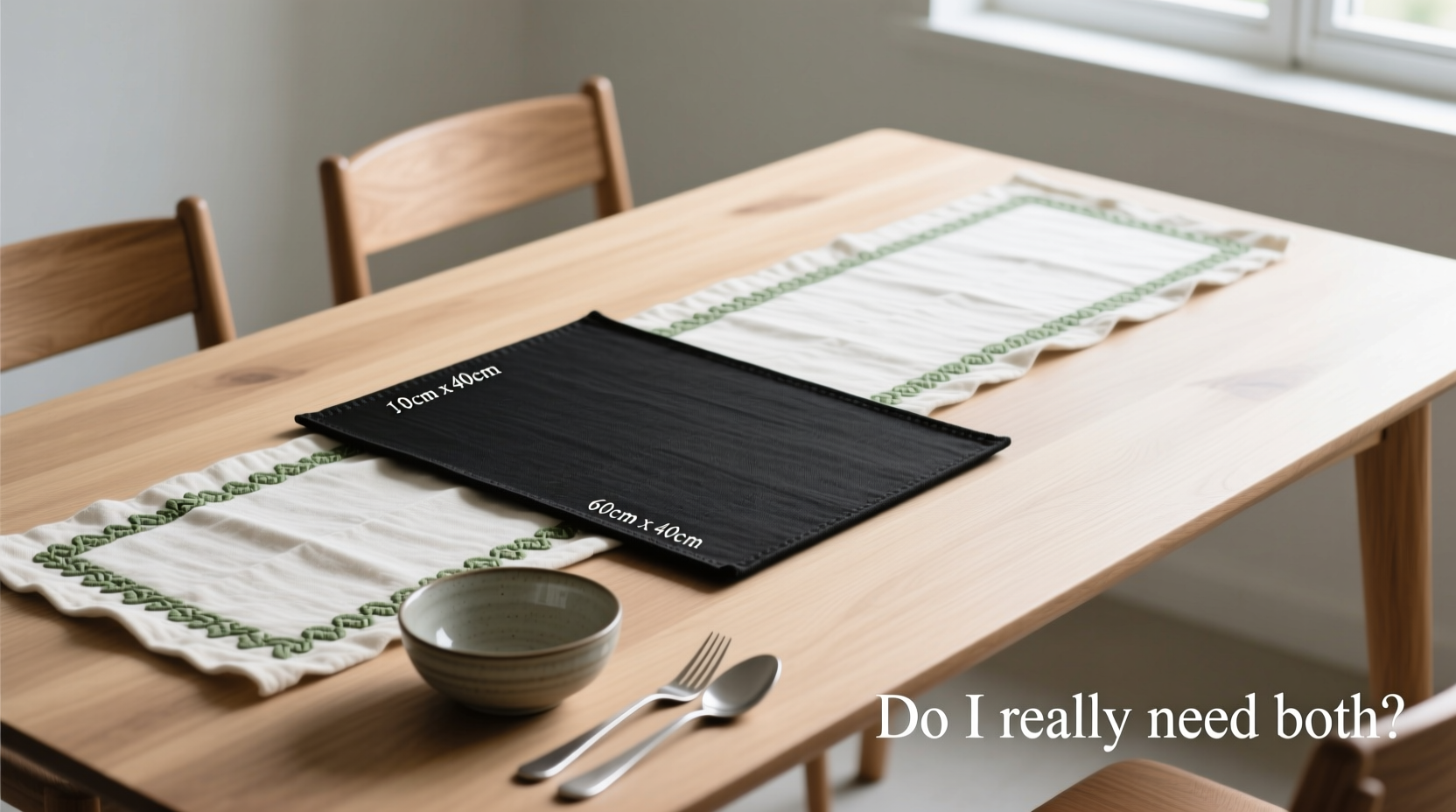
A table mat, often referred to as a placemat, is a protective layer placed directly in front of each diner. It serves both practical and decorative functions. Typically rectangular, square, or round, table mats shield the table surface from heat, spills, scratches, and condensation caused by glasses and dishes.
Beyond protection, mats help define individual place settings. They add color, texture, or pattern to a table setting and can be coordinated with napkins, dinnerware, or seasonal themes. Materials vary widely—from woven bamboo and cork to fabric, silicone, and even leather—each offering different levels of durability and formality.
What Exactly Is a Table Runner?
A table runner is a long, narrow strip of fabric or material that runs down the center of a table, typically from end to end or slightly shorter. Unlike placemats, it doesn’t mark individual seats but instead adds a unifying visual element to the entire table.
Runners are primarily decorative, though some thicker or coated versions offer minimal spill resistance. They’re commonly used in formal dining, weddings, holiday gatherings, or styled home setups. Runners come in various materials—linen, cotton, burlap, velvet—and often feature embroidery, lace, or seasonal prints.
Their placement allows room for centerpieces, candles, or floral arrangements without overcrowding. A well-chosen runner draws the eye along the length of the table, creating balance and focus.
“A table runner is like a piece of art for your table—it sets the tone before a single dish is served.” — Lila Monroe, Interior Stylist & Tabletop Designer
Key Differences: Function, Placement, and Style
To determine whether you need both, it helps to compare their core attributes side by side.
| Feature | Table Mat (Placemat) | Table Runner |
|---|---|---|
| Primary Purpose | Protection + place setting definition | Decorative accent + visual flow |
| Placement | One per guest, centered in front of each seat | Centered lengthwise down the middle of the table |
| Materials | Cork, bamboo, fabric, silicone, vinyl | Linen, cotton, velvet, burlap, sequins |
| Usage Frequency | Daily or regular meals | Special occasions, holidays, events |
| Maintenance | Easy to wipe clean or wash (depending on material) | May require ironing or dry cleaning; less durable |
| Style Impact | Adds texture and cohesion to individual spots | Creates drama, elegance, or seasonal flair |
Can You Use Both Together? Practical Scenarios
Yes—you absolutely can use both. In fact, combining a table runner with placemats is a popular technique among interior designers and event planners. When layered thoughtfully, they complement rather than compete.
For example, during a Thanksgiving dinner, a burlap runner with a frayed edge can provide rustic charm down the center, while navy linen placemats with gold trim define each place setting and protect the wood beneath. The contrast in texture and positioning creates depth and intentionality.
However, not every table benefits from both. Overlayering can make a small table feel cluttered. In casual households where meals are quick and frequent, using only placemats may be more practical. Conversely, a minimalist modern table might look best with just a bold runner and no mats at all.
Mini Case Study: The Modern Family Dining Room
The Thompson family recently redesigned their open-concept dining area. They wanted a look that felt warm and curated but could withstand daily use with two young children. Their solution? Neutral jute placemats for everyday meals—durable, natural, and easy to shake out. On weekends or when hosting guests, they added a soft gray velvet runner to elevate the table’s appearance.
This hybrid approach gave them flexibility. The placemats handled the mess; the runner provided polish when needed. They found that using both didn’t complicate cleanup—they simply removed the runner before messy meals and stored it in a drawer.
When You Might Need Only One
There are clear scenarios where one accessory outperforms the other.
- Choose placemats only if you prioritize function over form, eat at the table daily, or have a delicate finish you want to protect.
- Opt for a runner only if your table is rarely used for meals (e.g., a console or display table), or if you're styling for photos, events, or holidays.
- Use neither if your table has a striking natural grain or design that should remain visible, or if you prefer a clean, uncluttered aesthetic.
Step-by-Step Guide: Choosing What’s Right for Your Table
- Evaluate your table’s primary use. Is it for daily meals, occasional entertaining, or mostly decorative?
- Assess your current table surface. Is it prone to scratches, stains, or heat damage? If so, placemats are highly recommended.
- Determine your desired aesthetic. Do you lean toward cozy, formal, modern, or eclectic? Runners influence mood more dramatically.
- Consider maintenance habits. Are you likely to launder a fabric runner monthly? Or do you prefer wipe-clean surfaces?
- Test a combination. Lay out a runner and placemats together. Step back—does it feel balanced or busy?
- Decide based on frequency. Use placemats daily, keep a few runners on hand for special moments.
Frequently Asked Questions
Can I use a table runner with placemats without making the table look too busy?
Yes, as long as you balance scale, color, and texture. Choose a solid or subtly textured runner if your placemats are patterned, or vice versa. Leave space between the runner and the edges of the placemats for visual breathing room.
Do table runners damage wooden tables?
Not inherently, but prolonged use—especially with non-breathable materials—can trap moisture and lead to warping or discoloration. Always lift and air out the runner weekly if left in place, and avoid placing it on freshly polished or oiled wood until fully cured.
Are there eco-friendly options for both?
Yes. Look for placemats made from sustainable materials like bamboo, recycled rubber, or organic cotton. For runners, consider undyed linen, hemp, or upcycled fabrics. Many brands now specialize in low-impact, biodegradable table textiles.
Final Thoughts: Harmony Over Rules
You don’t *need* both a table mat and a table runner in the same way you don’t need both a coat and a scarf in summer. But in the right context, together they enhance comfort, beauty, and function. The key is intentionality—not tradition.
If your table sees heavy daily use, start with durable placemats. Keep a few versatile runners in your linens cabinet for holidays, dinners with friends, or when you simply want to refresh the room’s energy. There’s no rule that says you must use one, both, or none. What matters is how the table feels when you sit at it.




 浙公网安备
33010002000092号
浙公网安备
33010002000092号 浙B2-20120091-4
Comments
No comments yet. Why don't you start the discussion?