
Attaching a bear keychain to your camera bag might seem like a simple task, but doing it poorly can lead to snagging, damage, or losing the charm altogether. Whether it's a sentimental keepsake, a gift, or just a fun accessory that adds personality to your gear, securing it properly ensures both safety and style. With photographers often on the move—through airports, city streets, or rugged trails—the last thing you want is for your cherished keychain to come loose at an inopportune moment. This guide outlines practical, tested methods to attach your bear keychain securely while preserving the integrity of your camera bag.
Why Secure Attachment Matters
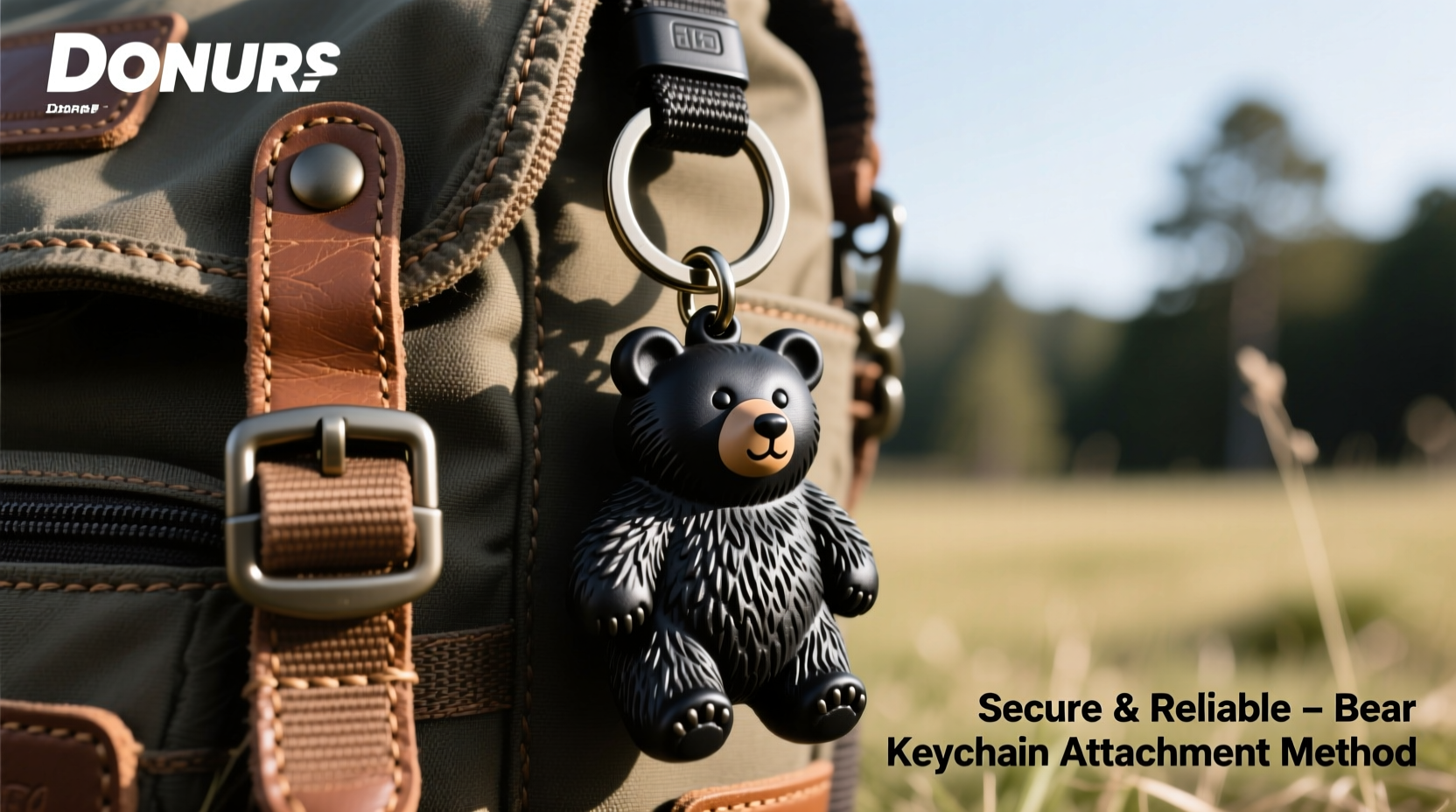
A camera bag is more than just storage—it’s protection for expensive, sensitive equipment. Adding accessories like a bear keychain shouldn’t compromise its functionality. Poorly attached charms can:
- Catch on zippers or straps, causing tears or broken hardware.
- Fall off during transit, especially when moving quickly through crowds or public transport.
- Distract from professionalism in client-facing environments.
But with the right attachment method, your bear keychain becomes a durable, personal touch—not a liability.
“Personalization enhances ownership pride, but only if done without compromising utility.” — Jordan Hale, Gear Design Consultant at Urban Photogear Co.
Step-by-Step: How to Attach Your Bear Keychain Safely
Follow this timeline to ensure your bear keychain stays put through daily use and travel.
- Evaluate the keychain and bag material. Check if the bear has a split ring, lobster clasp, or jump ring. Inspect the stitching and fabric strength on your bag where you plan to attach it.
- Choose the optimal location. Ideal spots include dedicated luggage tags loops, zipper pulls, or reinforced D-rings. Avoid areas near main zippers or high-friction zones.
- Select your attachment method. Based on your gear and keychain type, pick one of the secure techniques described below.
- Test durability. Gently tug the keychain after attaching to simulate real-world stress.
- Inspect periodically. Recheck weekly or after heavy use to prevent unexpected detachment.
Top 5 Secure Attachment Methods
Not all attachment styles are equal. Here are the most reliable options ranked by security, ease, and reversibility.
| Method | Security Level | Tools Needed | Reversible? | Best For |
|---|---|---|---|---|
| Split Ring Through Zipper Pull | High | None | Yes | Bear keychains with standard rings |
| Lobster Clasp on D-Ring | Very High | None | Yes | Bags with tactical-style webbing |
| Key Clip Inside Compartment | Medium | Small clip | Yes | Discreet display; minimal exterior wear |
| Silicone O-Ring Wrap | Medium-High | O-ring (3–5mm) | Yes | Smooth poles or rolled handles |
| Stitch-On Loop (Permanent) | Very High | Needle, thread, awl | No | Custom builds or repair-friendly fabrics |
1. Split Ring Through Zipper Pull (Easiest & Most Common)
If your bear keychain comes with a metal split ring, simply open it slightly using pliers, slide it onto the zipper pull of your bag’s side pocket or main compartment, then close it securely. This method uses existing hardware and requires no additional tools.
2. Lobster Clasp Direct Hook (Most Secure)
Many modern camera bags feature MOLLE webbing or D-rings designed for modular attachments. Use a lobster clasp directly connected to your bear keychain and hook it firmly onto one of these anchor points. The spring-loaded mechanism resists accidental release.
3. Internal Key Clip Method (Low Profile)
For those who prefer subtle personalization, attach the bear to a small key clip and tuck it inside a front organizer pocket. Let only the top loop or tag peek out. This protects the charm from weather and snags while keeping it accessible.
4. Silicone O-Ring Wrap (No Modification)
Use a food-grade silicone O-ring (available at hardware stores) to wrap around a handle or strap, creating a temporary loop. Thread the bear’s chain through the O-ring. This is ideal for rental gear or shared equipment where permanent changes aren't allowed.
5. Stitched Fabric Loop (Permanent Customization)
For long-term users, sew a small reinforced fabric loop near a corner seam using UV-resistant nylon thread. Once secured, attach the bear via its ring. This distributes weight evenly and prevents strain on original stitching.
Mini Case Study: Travel Photographer Secures Lucky Bear
Maya Tran, a documentary photographer based in Vietnam, carries a small embroidered bear keychain given by her grandmother. She initially attached it with a flimsy chain to her backpack’s hydration port cover, which tore off during a motorbike ride in Hanoi.
After replacing the part, she reattached the bear using a micro lobster clasp on a hidden D-ring near her tripod mount. Over the next 18 months, including monsoon season and jungle treks, the bear remained intact. “It’s not just decoration,” she says. “It reminds me why I started taking photos—to tell heartfelt stories.” Her experience underscores the importance of matching attachment strength to environmental demands.
Checklist: Secure Keychain Attachment in 6 Steps
- ☐ Identify the strongest external point on your bag (D-ring, zipper pull, or webbing).
- ☐ Confirm your bear keychain has a secure closure (split ring or clasp).
- ☐ Choose a non-critical zone to avoid interfering with access or function.
- ☐ Apply your selected method (see table above).
- ☐ Perform a pull test: simulate jostling and movement.
- ☐ Schedule monthly checks, especially after rough travel.
Common Mistakes to Avoid
Even experienced travelers make errors when customizing their gear. Steer clear of these pitfalls:
- Overloading a single point: Don’t stack multiple heavy charms on one zipper pull.
- Using weak adhesives: Glue or tape won’t withstand humidity or motion.
- Ignoring metal compatibility: Cheap alloys can corrode and stain fabric.
- Attaching near moving parts: Keep away from wheels, telescoping handles, or foldable frames.
Frequently Asked Questions
Can I attach a bear keychain to a leather camera bag?
Yes, but avoid piercing the leather. Instead, use a soft loop around the handle or attach to existing buckles. For permanent solutions, consult a leatherworker to add a riveted loop.
Will airlines object to a keychain on my camera bag?
No, decorative keychains are permitted. However, remove any sharp or weapon-like elements to prevent delays during security screening.
What if my bag has no attachment points?
Consider a magnetic clasp system designed for accessories. These consist of two small magnets—one sewn into a patch, the other attached to the keychain—that hold firmly but separate under strong force, reducing snag risk.
Final Thoughts: Personalize Without Compromising Performance
Your camera bag reflects your identity as much as your lens choices or editing style. A bear keychain can be a symbol of luck, memory, or creativity—but only if it stays with you. By choosing the right attachment method, testing its resilience, and maintaining it over time, you preserve both sentiment and functionality. Whether you're hiking remote trails or navigating urban commutes, let your gear carry your story safely.




 浙公网安备
33010002000092号
浙公网安备
33010002000092号 浙B2-20120091-4
Comments
No comments yet. Why don't you start the discussion?