
Moving to a new home is one of life’s most common transitions, yet it remains one of the most stressful. A major source of that stress? Managing the change of address process incorrectly—or too late. Whether you’re relocating across town or across the country, ensuring your mail follows you without interruption requires careful planning and timely action. This guide walks you through every essential step, from notifying government agencies to updating subscriptions, so your transition is as smooth as possible.
Why a Proper Change of Address Matters
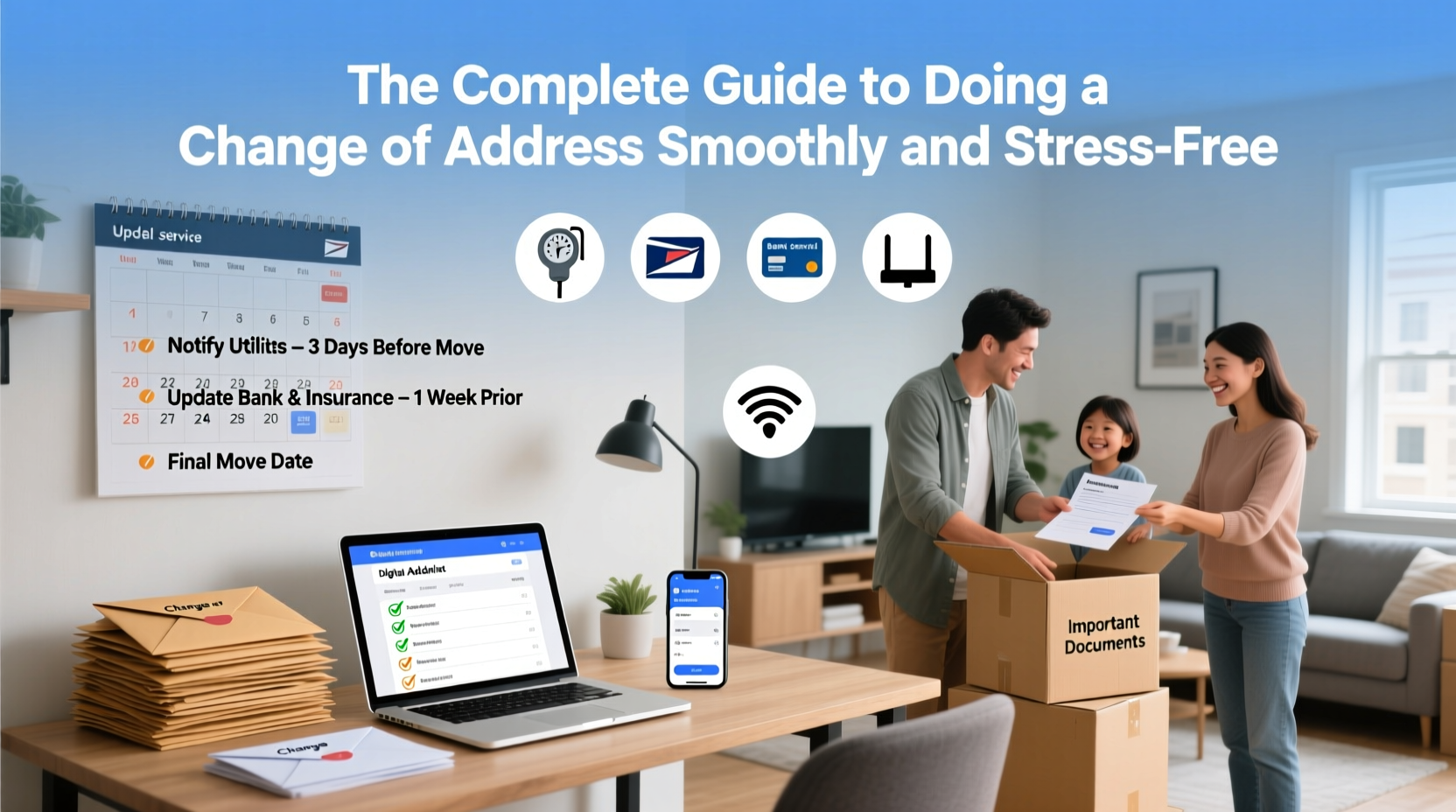
A missed bill, lost tax refund, or delayed medical prescription can result from outdated address information. The U.S. Postal Service reports that nearly 40 million change-of-address forms are filed annually, but many people wait until after they’ve moved—leading to weeks of mail disruption. Beyond personal inconvenience, failing to update your address with key institutions can affect your credit, legal standing, and financial security.
“People underestimate how interconnected their address is with daily life—from banking to healthcare. One overlooked update can snowball into multiple issues.” — Sarah Lin, Relocation Coordinator at National Move Advisors
Step-by-Step Timeline for a Seamless Move
Begin preparing at least four weeks before your move date. Use this timeline to stay ahead of deadlines and avoid last-minute scrambles.
- 4 Weeks Before Moving: Create a master list of contacts and services tied to your address. Start notifying non-governmental organizations (e.g., banks, insurance).
- 2–3 Weeks Before Moving: Submit official change-of-address requests with the USPS, DMV, IRS, and voter registration office.
- 1 Week Before Moving: Confirm all notifications have been processed. Pack an essentials box including ID, lease agreement, and contact lists.
- Moving Day: Double-check utilities are transferred. Leave old keys with landlord or realtor.
- 1 Week After Moving: Verify mail forwarding is active. Follow up with any unresponsive institutions.
- 1 Month After Moving: Audit accounts to ensure all information is updated. Cancel unused services tied to your old location.
Critical Institutions That Must Be Notified
Not all address changes are created equal. Some require formal documentation, while others can be updated online. Prioritize these eight categories:
- United States Postal Service (USPS)
- Department of Motor Vehicles (DMV)
- Internal Revenue Service (IRS)
- Voter Registration Office
- Banks, Credit Unions, and Credit Card Companies
- Employer and Payroll Department
- Insurance Providers (health, auto, home)
- Subscription Services (streaming, meal kits, deliveries)
Each entity has its own process. For example, the DMV may require an in-person visit or proof of residency, while your bank likely allows updates through mobile apps.
USPS Mail Forwarding: What You Need to Know
The USPS offers both temporary (up to 1 year) and permanent forwarding. You can file online at moversguide.usps.com or in person at a local post office. The online option costs $1.05 for identity verification, which helps prevent fraud.
Note: Mail forwarding does not include packages from private carriers like FedEx or Amazon Logistics. You must update shipping profiles separately.
Essential Change-of-Address Checklist
Use this checklist to track your progress and ensure nothing slips through the cracks.
| Action | Method | Deadline |
|---|---|---|
| Notify USPS | Online or in person | 1–30 days before move |
| Update DMV record | Website, mail, or in person | Within 30 days of move |
| Inform IRS | Form 8822 or with tax return | As soon as possible |
| Update voter registration | State election website | By voter registration deadline |
| Contact banks and lenders | Phone, app, or branch | Before moving day |
| Alert subscription services | Account settings | One week before delivery |
| Forward digital accounts | Email, cloud storage, domain registrars | Before disconnecting internet |
Avoid These Common Change-of-Address Mistakes
Even well-prepared movers make errors. Here are the most frequent missteps—and how to avoid them.
- Assuming automatic updates: Just because you notify your bank doesn’t mean your credit card company is updated. Check each subsidiary.
- Forgetting digital subscriptions: Streaming platforms, software licenses, and domain registrations often use billing addresses for account recovery.
- Delaying utility transfers: Gas, electricity, and internet should be scheduled to start the day you arrive—not after.
- Overlooking professional licenses: Teachers, contractors, and healthcare workers may need to re-register with state boards.
“Eighty percent of service delays during a move stem from incomplete address updates, not logistics.” — Michael Tran, Consumer Affairs Analyst at MoveWell Institute
Real-Life Example: How One Family Avoided Disaster
The Ramirez family moved from Phoenix to Austin in July. They updated their address with USPS and their bank but forgot to inform their health insurer. Two weeks later, a critical prescription refill was mailed to their old address and went missing. It took six days to resolve, causing unnecessary pain for Mr. Ramirez, who manages chronic back issues.
Afterward, they created a shared document listing every organization tied to their household—from pet microchip registries to school alumni associations. They now update it during annual spring cleaning. “It took 20 extra minutes,” says Mrs. Ramirez, “but saved us hours of frustration.”
Frequently Asked Questions
How long does USPS forward mail?
Standard forwarding lasts 12 months for residential addresses and 60 days for businesses. You can renew once if needed.
Do I need to notify the IRS if I move?
Yes. While not required for tax filing, updating your address ensures you receive important notices, refunds, and correspondence. File Form 8822 (for individuals) or 8822-B (for businesses).
Can I change my address with the DMV online?
In most states, yes. Visit your state’s DMV website to update your license and vehicle registration. Some states require proof of residency, such as a utility bill or lease agreement.
Final Tips for Stress-Free Success
Organization is your greatest ally during a move. Keep a physical or digital folder with confirmation numbers, dates, and contact logs. Label it “Change of Address Records” and store it securely. If a dispute arises—say, a bill sent to the wrong address—you’ll have documented proof of your efforts.
Consider delegating tasks. Assign one person to handle government agencies, another to manage subscriptions. Couples or roommates can split responsibilities by category.
Take Control of Your Move
A successful change of address isn’t about speed—it’s about consistency. By starting early, using structured tools, and double-checking each update, you protect your time, privacy, and peace of mind. Don’t wait for the moving truck to begin the process. Every notification sent in advance is one less fire to put out on arrival day.




 浙公网安备
33010002000092号
浙公网安备
33010002000092号 浙B2-20120091-4
Comments
No comments yet. Why don't you start the discussion?