
A properly functioning radiator is essential for maintaining engine temperature and preventing costly damage. Over time, coolant degrades, and contaminants such as rust, scale, and debris accumulate inside the cooling system. These buildups restrict flow, reduce heat transfer efficiency, and can lead to overheating or even engine failure. Flushing your radiator removes these impurities and restores peak cooling performance. This comprehensive guide walks you through why, when, and how to flush your radiator correctly—ensuring long-term engine reliability.
Why Radiator Flushing Matters
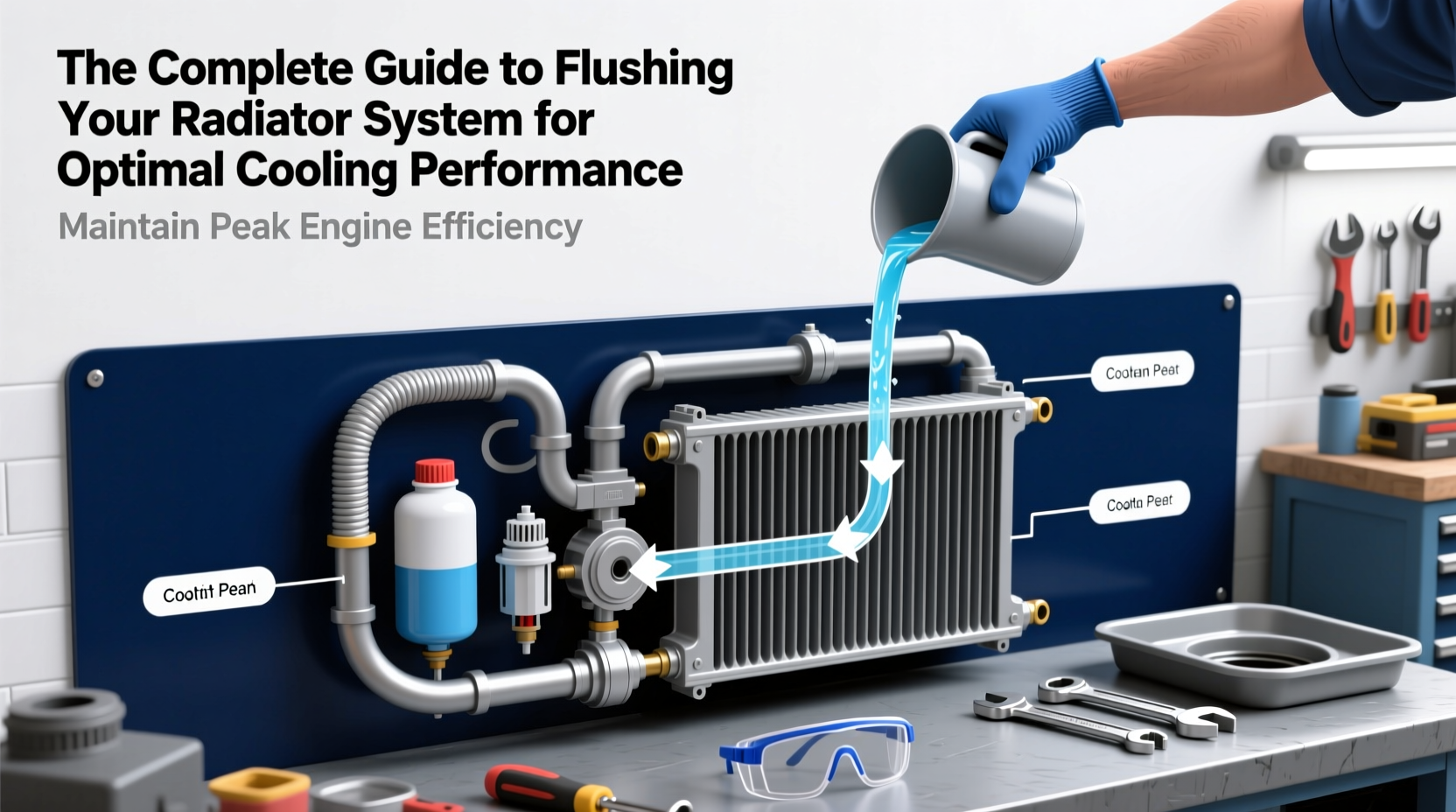
Your vehicle’s cooling system circulates coolant (a mixture of antifreeze and water) through the engine block, radiator, and hoses to absorb and dissipate heat. As this fluid ages, its chemical composition breaks down. The corrosion inhibitors that protect metal components lose effectiveness, increasing the risk of internal rust and pitting. Additionally, sediment from worn gaskets, metal particles, and mineral deposits from hard water can clog narrow passages in the radiator and heater core.
Ignoring a dirty cooling system leads to diminished heat exchange, inefficient cabin heating, and potential thermostat malfunctions. In severe cases, sludge buildup blocks coolant flow entirely, causing localized hot spots and warping cylinder heads. Regular flushing extends the life of your radiator, water pump, hoses, and engine components.
“Neglecting a radiator flush is one of the top causes of premature engine wear in vehicles over five years old.” — Carlos Mendez, ASE-Certified Master Technician
How Often Should You Flush Your Radiator?
Manufacturer recommendations vary, but most suggest a radiator flush every 30,000 to 50,000 miles or every 2–3 years. However, driving conditions heavily influence service intervals. Frequent short trips, towing, stop-and-go traffic, or extreme temperatures accelerate coolant degradation.
Signs your radiator needs immediate attention include:
- Overheating despite full coolant levels
- Brown or rusty-colored coolant
- Coolant with visible particles or sludge
- Inconsistent cabin heat
- Steam or sweet smell from under the hood
Step-by-Step Guide to Flushing Your Radiator
Flushing your radiator at home is manageable with basic tools and precautions. Follow this detailed process to ensure a thorough job.
- Gather Supplies: You’ll need fresh coolant (check your owner’s manual for type), distilled water, a drain pan, funnel, wrench or socket set, radiator flush solution (optional), gloves, and safety glasses.
- Cool the Engine: Never open a hot radiator. Wait at least two hours after driving or overnight to avoid scalding from pressurized steam.
- Locate Drain Plug: Most radiators have a petcock or drain valve at the bottom. Place the drain pan underneath before opening it slowly to release old coolant.
- Drain Completely: Allow all fluid to exit. If no drain plug exists, disconnect the lower radiator hose instead—be prepared for spillage.
- Flush with Water: Reconnect the hose or close the plug. Fill the radiator with clean, distilled water. Start the engine and let it run for 10–15 minutes with the heater on high. This circulates water through the entire system.
- Optional Chemical Flush: For heavily contaminated systems, use a dedicated radiator flush solution. Follow product instructions carefully, typically running it for 10–20 minutes before draining.
- Repeat Until Clean: Drain the water and refill with fresh distilled water. Repeat the cycle until the exiting water runs clear—usually 2–3 times.
- Refill with Proper Coolant Mix: Use a 50/50 ratio of antifreeze and distilled water unless otherwise specified. Pour slowly to minimize air pockets.
- Bleed Air Pockets: Many vehicles have bleed valves. If not, run the engine with the radiator cap off until coolant circulates smoothly and bubbles cease.
- Recheck Levels: After cooling, top off the reservoir as needed and inspect for leaks.
Do’s and Don’ts of Radiator Maintenance
| Do’s | Don’ts |
|---|---|
| Use distilled water to prevent mineral deposits | Never mix different types of coolant (e.g., OAT, IAT, HOAT) |
| Dispose of old coolant responsibly at an auto parts store or recycling center | Don’t pour coolant down drains or onto the ground—it’s toxic to pets and wildlife |
| Inspect hoses and clamps during each flush | Don’t reuse old coolant, even if it looks clean |
| Follow manufacturer-recommended coolant specifications | Don’t neglect the overflow reservoir—clean it too |
Real-World Example: Preventing Costly Repairs
Mark, a delivery driver in Arizona, noticed his 2014 Honda Accord running hotter than usual during summer months. The temperature gauge crept toward red during uphill drives, though it returned to normal at idle. He topped off the coolant but saw no improvement. After consulting a mechanic, he learned his radiator was partially clogged with rust and scale due to using tap water and skipping flushes for over 70,000 miles.
The technician performed a deep chemical flush, which extracted thick, coffee-colored sludge. After refilling with the correct coolant mix, the engine maintained stable temperatures even under load. Mark avoided a $1,200 radiator replacement by acting early—proving that proactive maintenance pays.
Essential Radiator Flush Checklist
Use this checklist to stay organized and ensure a successful flush:
- ✅ Engine completely cooled down
- ✅ Drain pan positioned under radiator
- ✅ Correct coolant type confirmed per owner’s manual
- ✅ Distilled water purchased (not tap water)
- ✅ Gloves and eye protection worn
- ✅ Old coolant collected for proper disposal
- ✅ Hoses inspected for cracks or softness
- ✅ System bled of air after refill
- ✅ No leaks observed after test drive
- ✅ Coolant level rechecked once cold
Frequently Asked Questions
Can I flush my radiator without removing the thermostat?
Yes. Modern thermostats are designed to remain closed when the engine is cold. During a flush with water or cleaning solution, the thermostat will eventually open as the engine warms slightly from idling. While some recommend removal for maximum flow, it’s not required for routine maintenance.
Is a radiator flush the same as a coolant change?
No. A simple coolant change only replaces old fluid with new, leaving contaminants behind. A proper flush involves circulating water or cleaning solution through the entire system to remove built-up residue—offering far better protection.
What happens if I don’t flush my radiator regularly?
Failure to flush leads to sediment accumulation, reduced cooling efficiency, increased engine wear, and higher risk of overheating. In extreme cases, corrosion can eat through heater cores or radiators, requiring expensive replacements.
Conclusion: Protect Your Engine with Proactive Care
Flushing your radiator isn’t just about keeping your engine cool—it’s about preserving the integrity of your entire cooling system. With minimal investment in time and materials, you can prevent overheating, extend component lifespan, and maintain consistent performance in all driving conditions. Whether you do it yourself or schedule professional service, make radiator flushing a non-negotiable part of your vehicle maintenance routine.




 浙公网安备
33010002000092号
浙公网安备
33010002000092号 浙B2-20120091-4
Comments
No comments yet. Why don't you start the discussion?