
In a world where political noise often drowns out meaningful civic engagement, the simple act of casting a ballot remains one of the most powerful tools citizens possess. Voting is not just a right—it’s a responsibility that directly influences governance, social equity, and national direction. Despite this, voter turnout in many democracies continues to lag, especially among younger populations and marginalized communities. Understanding why voting matters goes beyond slogans; it requires recognizing its historical significance, societal impact, and long-term consequences when people disengage.
The Foundation of Democratic Accountability
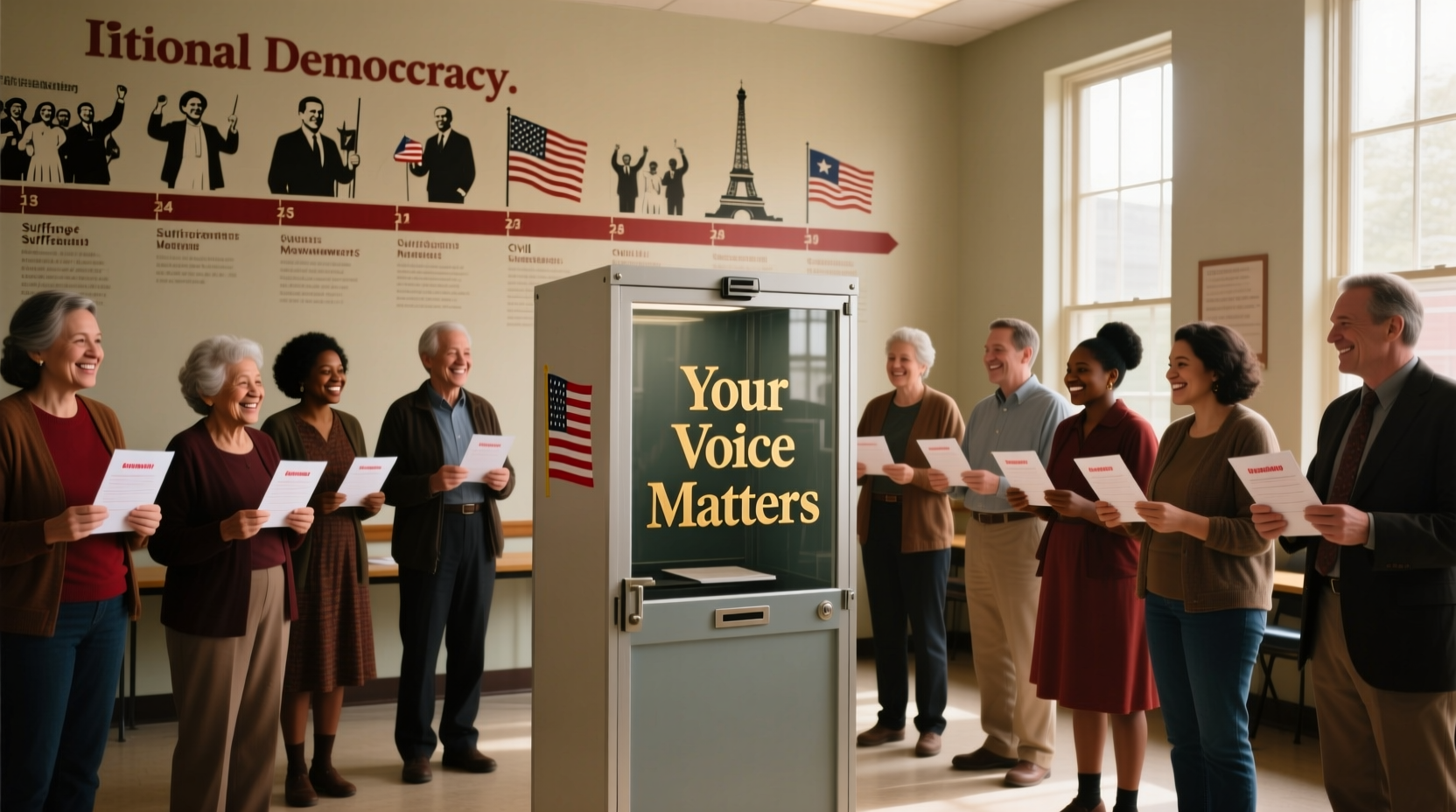
At its core, democracy relies on representation. Elected officials are meant to reflect the values, needs, and priorities of their constituents. When citizens vote, they hold leaders accountable for their promises and performance. A government shaped by widespread participation is more likely to pursue policies that benefit the majority rather than special interest groups or political elites.
Low voter turnout undermines legitimacy. If only 40% of eligible voters participate in an election, can the winning candidate truly claim to represent the will of the people? The answer becomes increasingly questionable. High participation ensures that elected leaders govern with a broader mandate, strengthening public trust in institutions.
“Democracy is not a spectator sport. It demands participation. Without votes, there is no voice.” — Dr. Maria Thompson, Political Scientist and Civic Engagement Advocate
How Voting Shapes Policy and Social Change
Voting determines who controls legislative agendas, judicial appointments, and budget allocations. From healthcare and education to climate policy and criminal justice reform, elected officials make decisions that affect daily life. When large segments of the population abstain from voting, those decisions are made without their input—often to their detriment.
Consider education funding: school board members are typically elected locally. If parents and community members don’t vote in these races, decisions about curriculum, teacher salaries, and facility improvements may be made by individuals disconnected from classroom realities. Similarly, city council elections determine zoning laws, public transportation routes, and housing policies—all of which impact quality of life.
Historically, transformative change has followed increased voter participation. The Civil Rights Movement of the 1960s wasn't just about protests; it was about securing the right to vote through legislation like the Voting Rights Act of 1965. Once enfranchised, Black Americans began electing representatives who championed equitable policies, proving that ballots can be as powerful as marches.
A Closer Look: The Ripple Effect of One Vote
Many people believe their single vote doesn’t matter in a sea of millions. But history shows otherwise. In 2000, the U.S. presidential election came down to 537 votes in Florida—a margin so narrow it triggered a recount and ultimately decided the outcome. Closer to the grassroots level, local elections are frequently decided by just a handful of votes.
In 2017, a city council race in Virginia ended in a tie—literally 0 votes difference after a recount. The winner was chosen by drawing a name from a bowl. Had just one more person voted, the result would have been clear. These examples underscore a critical truth: in close races, every vote counts, and non-voters effectively surrender their influence.
Mini Case Study: The Power of Youth Mobilization in 2018
During the 2018 U.S. midterm elections, youth voter turnout (ages 18–29) surged to 36%, nearly doubling from 2014. This increase was driven by grassroots organizing, social media campaigns, and student-led movements following the Parkland school shooting. The result? Several gun safety measures were advanced at state and federal levels, and progressive candidates won key races in traditionally conservative districts. The message was clear: when young people vote, politicians listen.
Barriers to Voting and How to Overcome Them
Despite its importance, many face obstacles to voting. These include strict ID laws, limited polling locations, work schedules, misinformation, and lack of access to transportation. Marginalized communities—particularly low-income, disabled, and minority populations—are disproportionately affected.
Yet solutions exist. Many states now offer early voting, mail-in ballots, and automatic voter registration. Nonprofits and community groups provide rides to polls and multilingual resources. Digital tools help voters check registration status and locate polling places instantly.
| Barrier | Solution |
|---|---|
| Lack of transportation | Use voter ride programs (e.g., Uber, Lyft partnerships during elections) |
| Work conflicts | Request time off; some states require employers to allow voting time |
| Confusion about registration | Visit Vote.gov or text VOTE to 33684 to verify status |
| Fear of deportation (for undocumented family members) | Know your rights—voting is safe for citizens; immigration enforcement is prohibited near polling sites |
Step-by-Step Guide to Becoming a Consistent Voter
Voting shouldn’t be a once-every-four-years event. Building a habit of civic participation ensures sustained influence over time. Follow this timeline to stay engaged:
- Check your registration status – Visit your state’s election website or use Vote.gov.
- Register to vote – Do it online, by mail, or in person at your DMV or public library.
- Mark election dates – Include primaries, runoffs, midterms, and local races on your calendar.
- Research candidates and issues – Use nonpartisan sources like Ballotpedia or League of Women Voters.
- Decide how to vote – Choose between in-person, early, or mail-in options based on your schedule.
- Vote and confirm – After submitting your ballot, verify it was counted using official tracking tools.
- Encourage others – Talk to friends and family about why voting matters to you.
Common Misconceptions About Voting
- \"My vote doesn't matter.\" As demonstrated in close races, individual votes can decide outcomes.
- \"All politicians are the same.\" Differences in policy positions—especially on healthcare, taxes, and civil rights—can have real-life impacts.
- \"I don’t know enough to vote.\" Resources are widely available to educate voters quickly and neutrally.
- \"It’s too inconvenient.\" With mail-in ballots and early voting, casting a vote often takes less time than ordering takeout.
FAQ
Can I vote if I have a criminal record?
It depends on your state. In most states, rights are restored after completing sentence, including parole and probation. Some states permanently disenfranchise certain felons, while others allow voting even during incarceration. Check your state’s rules via the National Conference of State Legislatures (NCSL) website.
What if I’m not registered by Election Day?
Some states offer same-day registration, allowing you to register and vote in one visit. Others do not. Always check deadlines well in advance—many fall 2–4 weeks before the election.
Does my vote count if I only vote for one race on the ballot?
Yes. Even if you leave parts of the ballot blank, your completed selections still count. This is called \"undervoting\" and is common in complex ballots.
Conclusion: Your Voice, Your Future
Voting is more than a civic duty—it’s a declaration of what kind of society you want to live in. It shapes laws, redirects budgets, and determines who holds power. When people vote, they don’t just choose leaders; they affirm their role in shaping the future. Disengagement, on the other hand, cedes control to others.
The impact of voting extends beyond election night. It builds momentum for movements, legitimizes reforms, and strengthens democratic resilience. Whether you care about climate change, economic fairness, education, or public safety, your vote is a direct line to influencing progress.




 浙公网安备
33010002000092号
浙公网安备
33010002000092号 浙B2-20120091-4
Comments
No comments yet. Why don't you start the discussion?