
Marrow bones have long been a favorite among dogs for their rich flavor and satisfying chew. When offered correctly, they can support dental health, mental stimulation, and even provide essential nutrients like collagen and healthy fats. However, not all bones are safe, and improper feeding can lead to serious health issues including broken teeth, intestinal blockages, or bacterial infections. This guide provides a comprehensive, evidence-based approach to safely incorporating marrow bones into your dog’s diet while minimizing risks.
Understanding Marrow Bones: What They Are and Why Dogs Love Them
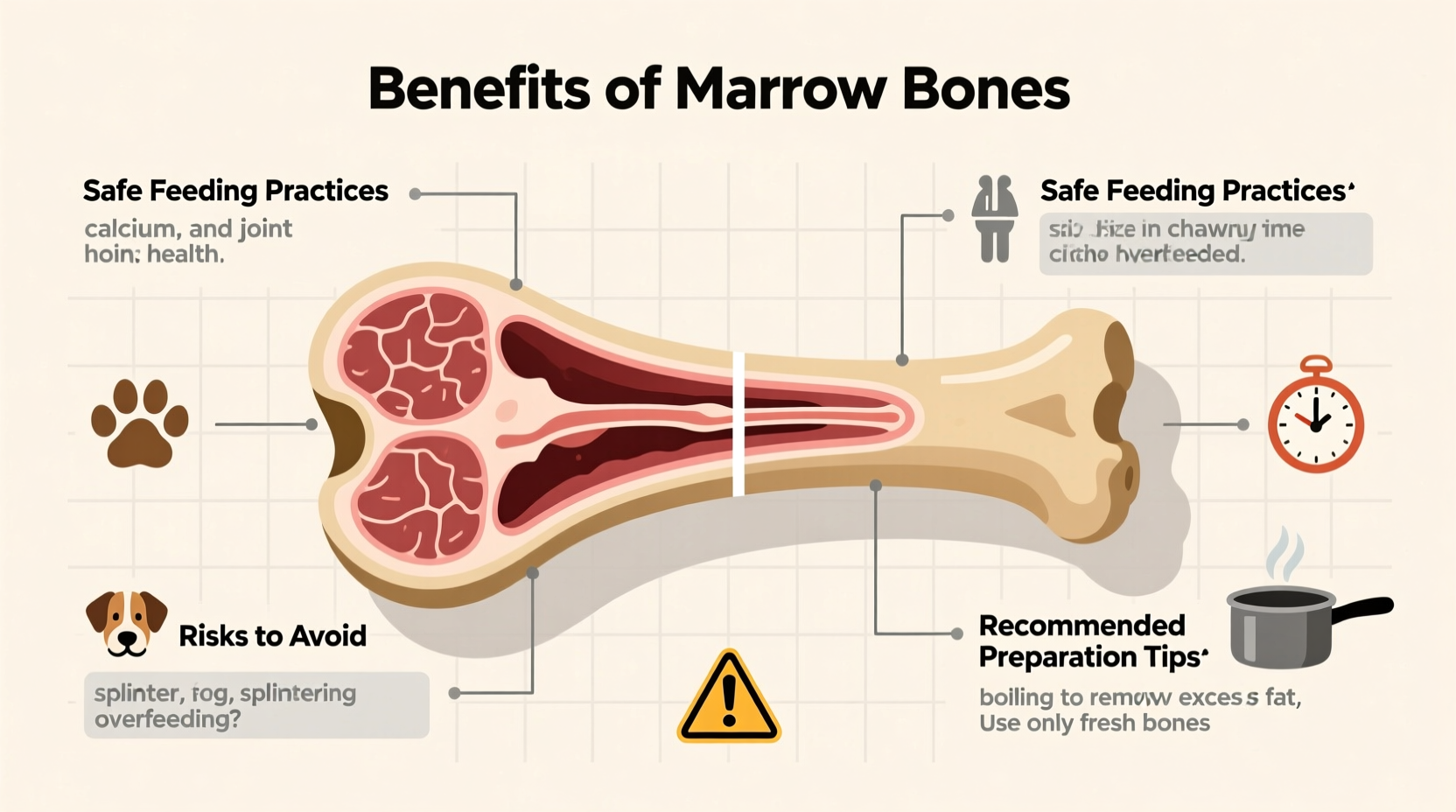
Marrow bones are typically large weight-bearing bones from cows or bison, such as femurs or knuckles, that contain nutrient-dense bone marrow inside. The marrow is rich in fat, protein, iron, and beneficial compounds like glucosamine and chondroitin, which support joint health. Chewing on the bone itself encourages natural gnawing behavior, scrapes plaque from teeth, and provides hours of mental engagement.
However, it's crucial to distinguish between raw marrow bones and cooked ones. Cooked bones become brittle and prone to splintering, significantly increasing the risk of internal injury. Raw bones retain flexibility and are much safer when sourced and handled properly.
Step-by-Step Guide to Safely Introducing Marrow Bones
- Select the right size and type: Choose a bone larger than your dog’s mouth so they can’t swallow it whole. For medium to large dogs, a 4–6 inch beef femur is ideal. Small dogs should be given proportionally smaller bones under close supervision.
- Source from trusted suppliers: Purchase raw bones from high-quality butchers or pet stores that follow food safety standards. Avoid bones treated with preservatives or bleach.
- Refrigerate until use: Store marrow bones in the refrigerator or freezer. Thaw frozen bones in the fridge before serving—never at room temperature.
- Supervise the first chew session: Watch your dog closely during the initial 15–20 minutes to ensure they aren’t trying to crack or swallow large pieces.
- Limited chew time: Allow chewing for 15–30 minutes per session, then remove the bone and refrigerate it for later. Prolonged chewing increases the risk of tooth wear and digestive upset.
- Discard after 3–4 days: Even refrigerated, raw bones can develop harmful bacteria over time. Discard any bone used beyond this point.
Do’s and Don’ts of Feeding Marrow Bones
| Do’s | Don’ts |
|---|---|
| Feed raw, meaty bones with marrow intact | Never feed cooked, smoked, or barbecued bones |
| Choose bones appropriate for your dog’s size | Avoid small bones that can be swallowed whole |
| Supervise every chewing session | Leave your dog unattended with a bone |
| Limit chewing to 30 minutes daily | Let your dog chew for hours at a time |
| Refrigerate used bones between uses | Leave bones out at room temperature for more than two hours |
Common Risks and How to Prevent Them
While marrow bones offer benefits, they come with real risks if mismanaged. The most common complications include:
- Tooth fractures: Especially in aggressive chewers, excessive pressure on hard bones can crack molars. To reduce risk, opt for slightly softer options like lamb bones for smaller or older dogs.
- Digestive upset: High-fat marrow can cause diarrhea or pancreatitis in sensitive dogs. Start with short sessions and monitor stool quality.
- Choking or obstruction: Splinters or swallowed chunks can block airways or intestines. Always supervise and discard bones once they begin to break apart.
- Bacterial contamination: Raw bones may carry pathogens like Salmonella or E. coli. Practice good hygiene: wash hands, clean surfaces, and store bones properly.
“Raw bones can be a valuable part of a dog’s diet when introduced carefully and monitored consistently. The key is supervision and knowing your dog’s chewing habits.” — Dr. Lena Reyes, DVM, Veterinary Nutrition Specialist
Real-Life Example: A Cautionary Tale
Max, a 4-year-old Labrador Retriever, was given a leftover roasted beef leg bone from his owner’s dinner. Within an hour, Max began vomiting and became lethargic. An X-ray revealed multiple sharp bone fragments lodged in his small intestine, requiring emergency surgery. His recovery took weeks and cost over $3,000. The vet confirmed that cooked bones had splintered easily—a preventable outcome. After recovery, Max was transitioned to supervised raw marrow bones, with strict rules: only raw, only under watch, and limited to 20-minute sessions. He now enjoys them safely twice a week without incident.
Frequently Asked Questions
Can puppies eat marrow bones?
Puppies can begin chewing on raw bones around 12 weeks of age, but only under strict supervision and with appropriately sized, soft options like small beef knuckle bones. Avoid large, dense marrow bones until they’re older and have stronger jaws.
How often should I give my dog a marrow bone?
One to two times per week is generally safe for most dogs. Daily bone feeding increases the risk of constipation, tooth damage, or excessive fat intake. Rotate with other chew toys or treats to maintain balance.
Is it normal for my dog to get diarrhea after eating marrow?
Yes, especially if it’s their first time. Marrow is very rich and fatty. If diarrhea occurs, reduce chew time or switch to a leaner bone with less marrow exposure. Dogs with a history of pancreatitis should avoid marrow entirely.
Essential Checklist Before Offering a Marrow Bone
- ✅ Confirmed the bone is raw—not cooked, smoked, or grilled
- ✅ Selected a size too large to swallow whole
- ✅ Refrigerated or frozen until ready to use
- ✅ Scheduled a supervised session (15–30 minutes)
- ✅ Prepared cleanup supplies (gloves, disinfectant, trash bag)
- ✅ Observed your dog’s chewing style (gentle vs. aggressive)
- ✅ Discarded the bone after 3–4 days of use
Final Thoughts and Responsible Practices
Feeding marrow bones isn’t inherently dangerous—but doing so without knowledge or caution can put your dog at serious risk. The benefits are real: improved oral health, reduced boredom, and access to natural nutrients. Yet these rewards only come with responsible handling, proper selection, and constant vigilance.
Every dog is different. Some gently lick out the marrow, while others attack the bone with relentless force. Know your pet’s behavior, consult your veterinarian—especially if your dog has health conditions—and always prioritize safety over convenience.




 浙公网安备
33010002000092号
浙公网安备
33010002000092号 浙B2-20120091-4
Comments
No comments yet. Why don't you start the discussion?