
In today’s competitive business landscape, accessibility is a cornerstone of customer satisfaction. One powerful way to enhance your company’s reach and professionalism is by securing a toll free phone number. Unlike traditional local numbers, toll free numbers (such as 800, 833, 844, 855, 866, 877, and 888 prefixes) allow customers to call your business at no cost to them—increasing the likelihood they’ll pick up the phone when they need support, sales, or information.
Beyond convenience, a toll free number signals credibility and national presence, even if you’re operating from a home office. It’s not just about answering calls—it’s about building trust, improving lead conversion, and scaling communication efficiently. This guide walks you through every critical aspect of acquiring and leveraging a toll free number for long-term business success.
Why Your Business Needs a Toll Free Number
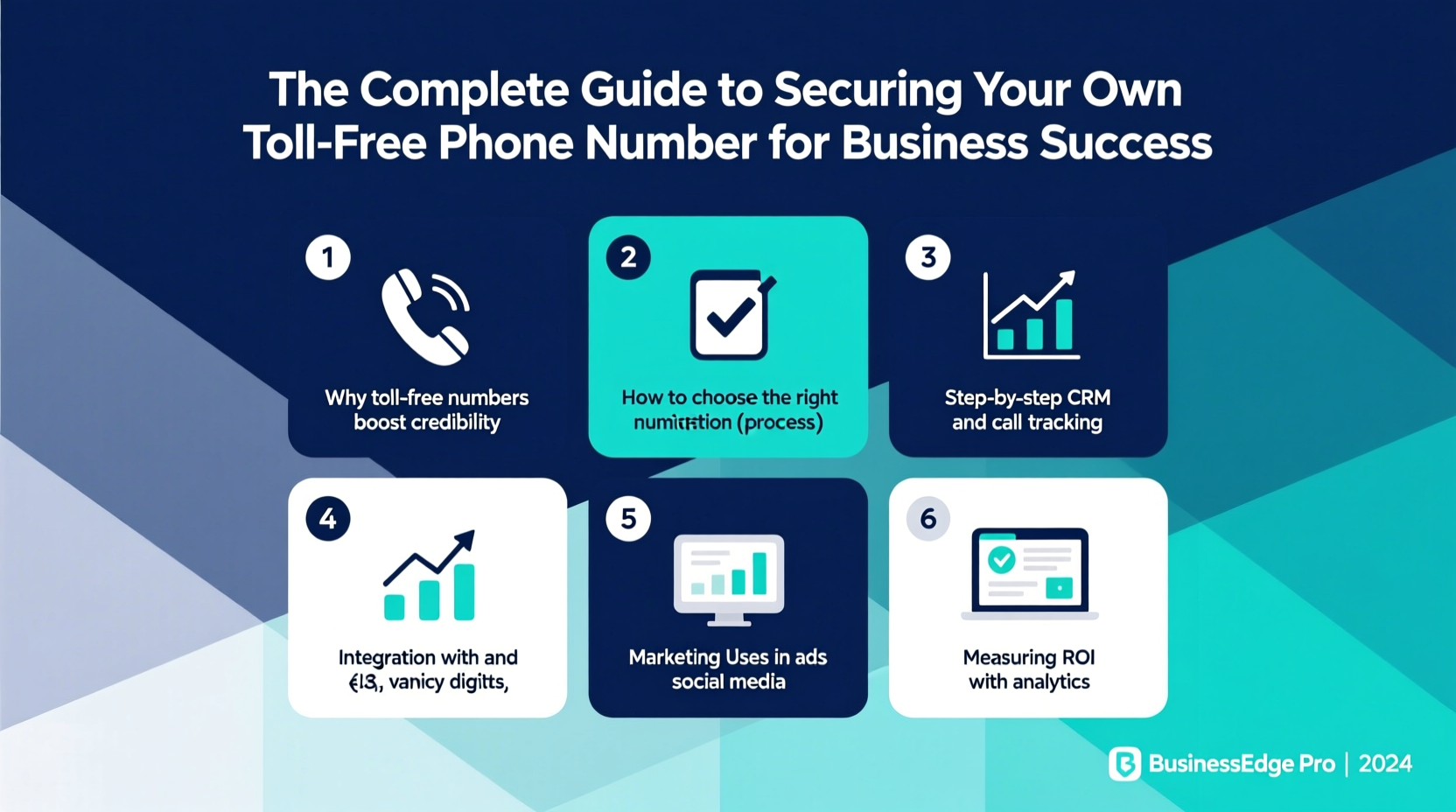
A toll free number does more than eliminate caller charges. It reshapes how customers perceive your brand. When someone sees a 1-800 number, their subconscious registers it as established, reliable, and customer-focused. That psychological edge can make the difference between a missed opportunity and a closed sale.
Toll free lines are especially valuable for service-based businesses, e-commerce platforms, and startups aiming to scale. They enable centralized call management across regions, simplify marketing tracking, and integrate seamlessly with CRM systems and virtual receptionists.
Understanding Toll Free Number Types and Prefixes
Not all toll free numbers are created equal. The prefix determines availability, memorability, and sometimes even cost. Here’s a breakdown of the current toll free prefixes and what they mean for your business:
| Prefix | Availability | Notes |
|---|---|---|
| 800 | Limited, highly sought after | Most recognized; ideal for branding |
| 833 | Widely available | Newer, easier to get vanity options |
| 844 | Good availability | Frequently used by tech and SaaS companies |
| 855 | Good availability | Popular for national campaigns |
| 866 | Moderate availability | Trusted but less unique than 800 |
| 877 | Moderate availability | Common in customer service industries |
| 888 | Limited availability | Highly desirable; often premium priced |
While 800 numbers remain the gold standard, newer prefixes like 833 and 844 offer excellent alternatives with better chances of securing a vanity number (one that spells a word or phrase).
Step-by-Step Guide to Securing Your Toll Free Number
Obtaining a toll free number is straightforward when you follow a structured process. Here’s how to do it right:
- Determine Your Needs: Decide whether you need one number or multiple for departments (sales, support, billing). Consider future scalability.
- Choose a Service Provider: Select a reputable VoIP or telecom provider such as RingCentral, Grasshopper, or Nextiva. Compare pricing, features, and customer support.
- Select a Number: Use the provider’s search tool to find available numbers. Prioritize vanity options that align with your brand (e.g., 1-800-PLUMBING).
- Verify Ownership and Registration: All toll free numbers are managed through RespOrgs (Responsible Organizations). Your provider will register your number with the SMS/800 database to ensure legitimacy.
- Set Up Call Routing: Configure how calls are handled—forwarded to mobile, routed to team members, or directed to an IVR (Interactive Voice Response) system.
- Integrate with Business Tools: Connect your number to email, CRM (like HubSpot or Salesforce), and analytics platforms for seamless tracking.
- Test and Launch: Make test calls, verify voicemail, and ensure all routing works before announcing the number publicly.
“Toll free numbers are among the highest-converting contact points in customer acquisition. They reduce friction and build immediate trust.” — Lisa Tran, Telecommunications Strategist at CX Insights Group
Maximizing the Value of Your Toll Free Line
Simply having a toll free number isn’t enough. To drive real business impact, you must use it strategically.
- Use in All Marketing Channels: Print it on business cards, websites, social media profiles, and advertisements. Consistency builds recognition.
- Track Campaign Performance: Assign unique toll free numbers to different ads or landing pages to measure which channels generate the most calls.
- Enable Call Recording and Analytics: Gain insights into customer concerns, agent performance, and common objections to refine your service.
- Offer 24/7 Accessibility: Pair your number with voicemail or an AI-powered assistant to never miss a lead, even after hours.
- Secure a Vanity Number: A branded number like 1-800-BUY-NOW is easier to remember and reinforces your message.
Real Example: How a Small HVAC Company Grew with a Toll Free Line
When Mike launched his HVAC repair service in Austin, he relied on local listings and word-of-mouth. After six months, growth stalled. He invested in a 1-833-COOL-TX number, added it to his website, Google Ads, and vehicle wraps, and set up call forwarding to his mobile and technician team.
Within two months, inbound calls increased by 65%. Customers said they felt more confident calling a “real company” with a toll free line. By assigning a second number to a seasonal ad campaign, Mike discovered that Facebook ads drove more calls than radio—allowing him to shift his budget effectively. Today, he uses three toll free numbers across service lines and credits them with helping triple revenue in under a year.
Checklist: Securing and Launching Your Toll Free Number
Before going live, ensure you’ve completed these essential steps:
- ✅ Defined your business communication goals
- ✅ Researched and selected a reliable toll free provider
- ✅ Chosen a memorable, brand-aligned number (ideally vanity)
- ✅ Registered the number through a certified RespOrg
- ✅ Configured call forwarding, voicemail, and auto-attendant
- ✅ Integrated with CRM and call tracking software
- ✅ Tested call quality and routing across devices
- ✅ Updated all marketing materials with the new number
- ✅ Trained staff on call handling protocols
- ✅ Launched and monitored initial performance metrics
FAQ: Common Questions About Toll Free Numbers
Can I keep my toll free number if I switch providers?
Yes. Toll free numbers are portable. As long as you’re the registered owner, you can transfer your number to another service provider using a Letter of Authorization (LOA).
Are toll free numbers free for businesses?
No. While callers don’t pay, businesses cover the costs. Monthly fees typically range from $10 to $30, plus per-minute charges depending on the plan. Some providers offer flat-rate unlimited calling.
Can I get a local presence with a toll free number?
Absolutely. Many providers offer “local presence” features, where your toll free number rings with a local area code on the caller’s screen, increasing answer rates.
Final Thoughts: Turn Calls Into Growth
A toll free phone number is more than a communication tool—it’s a strategic asset. From enhancing credibility to enabling precise marketing measurement, the right number can open doors you didn’t know were closed. The process of securing one has never been simpler, thanks to modern VoIP platforms and nationwide number availability.
Don’t wait for customer service complaints or missed leads to act. Take control of your business’s accessibility today. Choose a number that reflects your brand, set up intelligent routing, and start turning every ring into an opportunity.




 浙公网安备
33010002000092号
浙公网安备
33010002000092号 浙B2-20120091-4
Comments
No comments yet. Why don't you start the discussion?