
In an era where craftsmanship meets cultural significance, designer bone bracelets have emerged as coveted accessories among collectors, fashion enthusiasts, and those who appreciate ethically sourced luxury goods. However, the growing demand has also given rise to counterfeit products, misleading claims, and unethical sourcing practices. For buyers, distinguishing between genuine artisan pieces and mass-produced imitations is no longer optional—it’s essential. This guide equips you with the knowledge, tools, and strategies to source authentic designer bone bracelets online with full confidence.
Understanding What Makes a Bone Bracelet “Authentic”
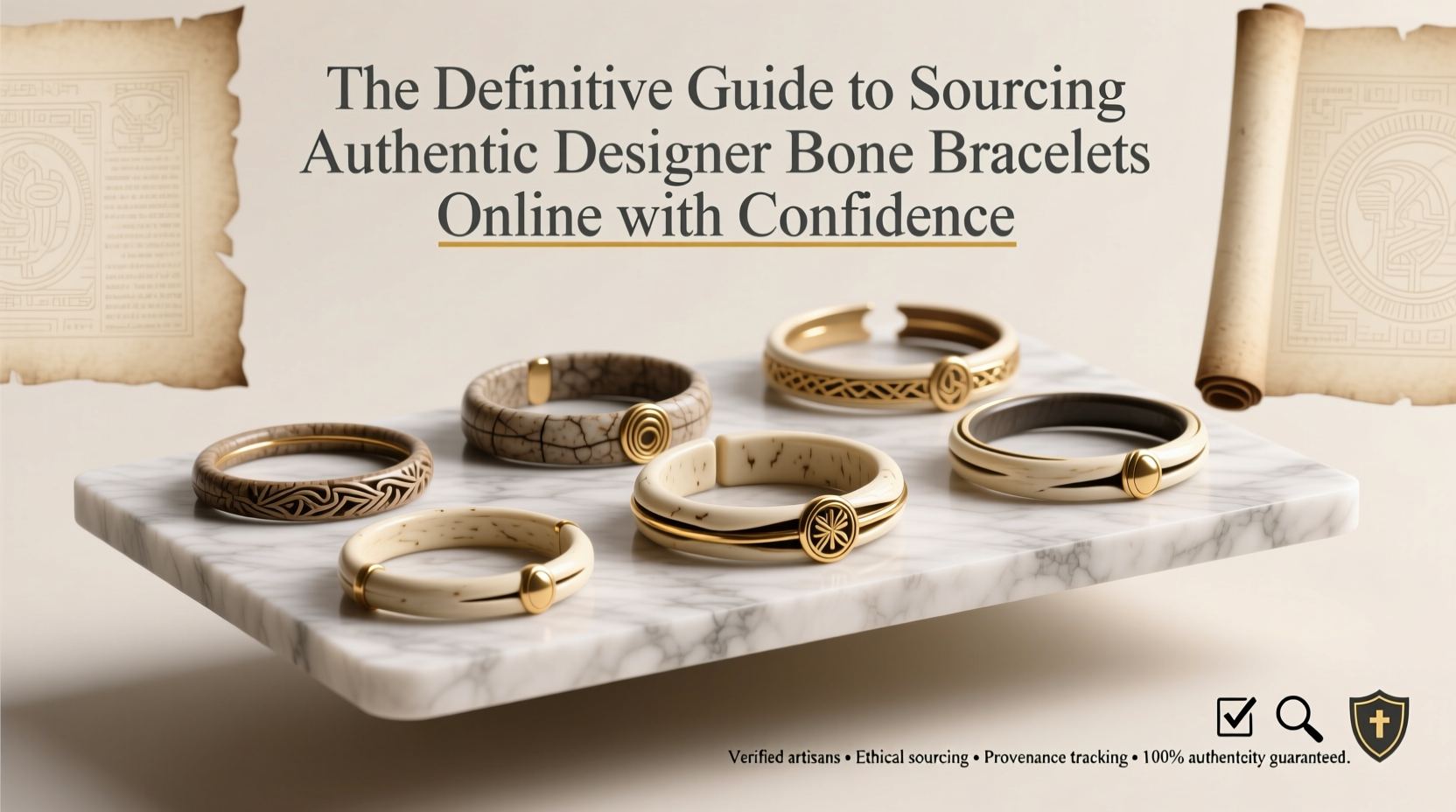
An authentic designer bone bracelet isn’t defined solely by its material. It combines origin integrity, craftsmanship, ethical sourcing, and design originality. True authenticity hinges on several key factors:
- Material Origin: Genuine bone bracelets are typically made from ethically sourced animal bone (often water buffalo or ox), fossilized mammoth ivory, or in rare cases, antler. These materials should be legally harvested and documented.
- Artisan Craftsmanship: Authentic pieces show hand-carved details, subtle asymmetry, and finish quality that reflects individual artistry—not machine uniformity.
- Designer Provenance: The creator should be identifiable, with a verifiable portfolio, brand history, and often a presence in artisan markets or curated boutiques.
- Legal Compliance: Especially for international purchases, the item must comply with CITES regulations if it involves protected species or antiquities.
“Authenticity in bone jewelry isn’t just about what it’s made of—it’s about respect for tradition, transparency in sourcing, and honoring the craft.” — Lena Moreau, Ethical Jewelry Curator & Founder of Artisan Heritage Collective
How to Spot Fakes and Avoid Scams Online
The internet is flooded with listings claiming to offer “hand-carved bone” or “tribal designer” bracelets at suspiciously low prices. Many are resin casts, plastic replicas, or even illegally sourced wildlife products misrepresented as ethical crafts. Here’s how to separate truth from deception:
Red Flags to Watch For
| Suspicion | What It Likely Means | Action |
|---|---|---|
| Price under $30 | Mass-produced imitation (likely resin) | Avoid unless proven otherwise |
| No maker information | Lack of accountability | Do not purchase |
| Stock photos only | Not actual product images | Request real-time photos |
| Vague descriptions like “natural material” | Potential mislabeling | Demand specifics |
| Claims of “elephant ivory” | Illegal and unethical | Report seller |
Counterfeiters often exploit cultural aesthetics without regard for origin. A genuine Maasai-inspired bone cuff, for example, will include tribal markings consistent with regional styles and use natural pigments—not synthetic dyes.
Step-by-Step Guide to Sourcing Authentically
Finding a trustworthy source requires diligence. Follow this timeline to ensure every purchase is informed and secure:
- Week 1: Research Designers & Brands
Identify reputable designers known for bone jewelry. Look for those with portfolios, artist statements, and participation in craft fairs or galleries. - Week 2: Verify Seller Platforms
Focus on platforms with buyer protection and verification systems: Etsy (top-rated sellers), specialized marketplaces like Novica or Ten Thousand Villages, or direct brand websites. - Week 3: Request Documentation
Contact sellers directly to ask for proof of material origin, artisan credentials, and shipping policies. Legitimate sellers respond promptly and transparently. - Week 4: Examine Product Details
Review listing descriptions for specifics: exact material (“water buffalo bone”), carving technique (“hand-chiseled”), dimensions, weight, and care instructions. - Final Step: Purchase & Authenticate Upon Arrival
Upon delivery, inspect under bright light. Real bone shows grain variation, slight imperfections, and temperature responsiveness (feels cool initially). Compare with provided photos and documentation.
Case Study: How Sarah Verified Her $220 Designer Bracelet
Sarah, a collector based in Portland, found a stunning engraved bone cuff listed on a niche artisan site. The price was high, but so were the stakes. Instead of buying immediately, she took action:
- She emailed the seller asking for photos of the workshop and the artisan at work.
- Requested a detailed breakdown of materials and sourcing ethics.
- Asked for a video unboxing of the exact piece before shipping.
The seller complied with all requests, providing a short clip showing the bracelet being wrapped alongside tools and raw materials. Sarah also cross-checked the designer’s Instagram, where recent posts matched the studio seen in the video. Confident in the legitimacy, she made the purchase. Two weeks later, the bracelet arrived with a handwritten note and authenticity card. “It felt personal,” she said. “That level of detail told me I wasn’t just buying jewelry—I was supporting real craftsmanship.”
Essential Checklist Before You Buy
Before finalizing any online transaction, run through this checklist:
- ✅ Is the material clearly identified (e.g., “ethically sourced water buffalo bone”)?
- ✅ Does the listing include close-up, high-resolution photos from multiple angles?
- ✅ Can you confirm the identity of the designer or artisan collective?
- ✅ Is there a return policy and authenticity guarantee?
- ✅ Are customer reviews available and consistently positive?
- ✅ Does the seller provide care instructions specific to bone jewelry?
- ✅ Is international shipping compliant with customs and wildlife protection laws?
Frequently Asked Questions
Are bone bracelets legal to buy online?
Yes, provided the bone comes from non-endangered species and is legally harvested. Water buffalo, ox, and mammoth ivory (fossilized) are generally permitted. Elephant ivory, rhino horn, and whale bone are illegal in most countries and banned under CITES. Always verify the source.
How do I care for a genuine bone bracelet?
Bone is porous and sensitive to moisture and heat. Clean gently with a dry cloth, avoid submersion in water, and store separately from harder jewelry to prevent scratches. Occasionally condition with a tiny amount of mineral oil using a soft cloth—never saturate.
Can I wear a bone bracelet every day?
With care, yes. However, remove it during swimming, showering, or strenuous activity. Prolonged exposure to sweat and chemicals can degrade the material over time. Rotate it with other accessories to extend its lifespan.
Conclusion: Invest in Integrity, Not Just Aesthetics
Sourcing an authentic designer bone bracelet goes beyond acquiring a beautiful object—it’s a commitment to ethical consumption, cultural appreciation, and support for skilled artisans. In a marketplace rife with deception, your discernment becomes your greatest asset. By demanding transparency, verifying origins, and choosing sellers who honor craftsmanship, you elevate your collection with pieces that carry meaning, history, and integrity.




 浙公网安备
33010002000092号
浙公网安备
33010002000092号 浙B2-20120091-4
Comments
No comments yet. Why don't you start the discussion?