
Carrying your dog isn’t just about convenience—it’s about safety, comfort, and trust. Whether you’re navigating city sidewalks, hiking mountain trails, or simply helping an aging pet up the stairs, knowing how to carry your dog properly ensures their well-being and strengthens your bond. Not all dogs should be carried the same way, and not every method suits every situation. From selecting the right carrier to mastering lifting techniques, this guide delivers practical, veterinarian-backed strategies to help you transport your dog with confidence.
Understanding When and Why to Carry Your Dog
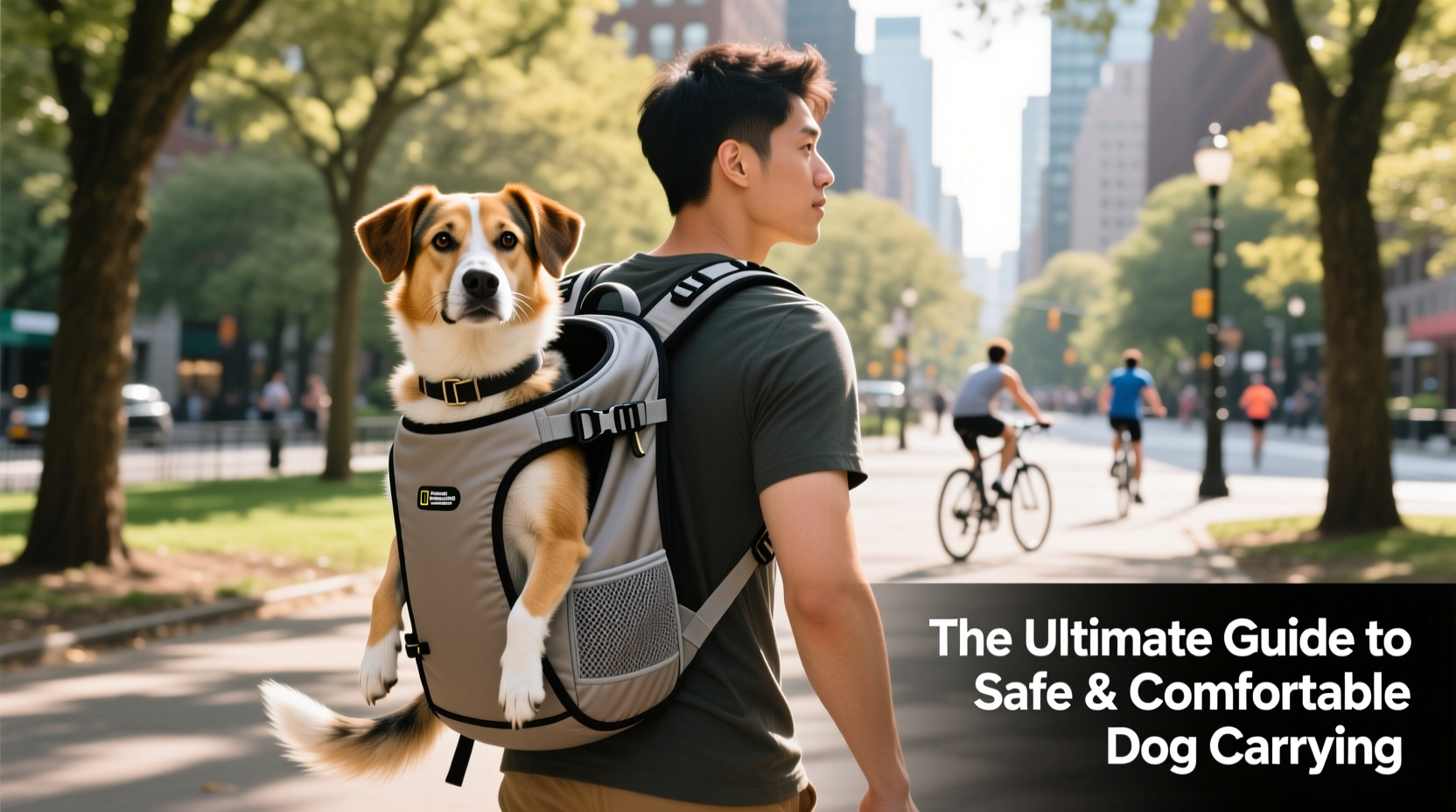
While dogs are naturally built to walk, there are legitimate reasons to carry them. Small breeds like Chihuahuas or Pomeranians may tire quickly on long walks. Senior dogs with arthritis often struggle with stairs or uneven terrain. Injuries, illness, or anxiety in crowded environments also make carrying a necessary skill. The key is knowing when it’s appropriate—and when it might do more harm than good.
Carrying a dog unnecessarily can lead to muscle atrophy, dependency, and behavioral issues. However, when used thoughtfully, carrying supports mobility, reduces stress, and prevents injury during recovery or high-risk situations.
Choosing the Right Carrier for Different Needs
The market offers a wide range of dog carriers, each suited to specific scenarios. Selecting the correct one depends on your dog’s size, temperament, and your intended use—be it air travel, urban commuting, or outdoor adventures.
| Type | Best For | Weight Limit | Ventilation & Safety Notes |
|---|---|---|---|
| Soft-sided backpack | Walking, cycling, short trips | Up to 25 lbs | Good airflow; ensure secure zippers and no escape points |
| Hard-shell carrier | Airplane travel, car rides | Up to 40 lbs | Impact-resistant; must meet airline IATA standards |
| Crossbody sling | Small dogs, elderly owners | Up to 15 lbs | Limited support; best for brief use only |
| Front-facing harness carrier | Hiking, hands-free mobility | Up to 30 lbs | Distributes weight evenly; promotes bonding |
Look for features like padded interiors, breathable mesh panels, and secure closures. Avoid carriers that restrict movement or press against your dog’s chest or neck.
“Properly fitted carriers reduce stress and prevent spinal strain in small breeds.” — Dr. Lena Patel, Veterinary Behaviorist
Step-by-Step Guide to Lifting Your Dog Safely
If you're not using a carrier, lifting your dog correctly is essential to avoid injury—for both of you. Follow this sequence for safe manual lifting:
- Approach calmly: Call your dog gently and crouch to their level to avoid startling them.
- Position your hands: Slide one arm under the chest (behind the front legs) and the other under the hindquarters (just in front of the tail).
- Lift with your legs: Keep your back straight, engage your core, and rise slowly using your leg muscles—not your spine.
- Secure the hold: Bring your dog close to your chest, supporting their entire body. Avoid dangling limbs.
- Move smoothly: Take slow, deliberate steps. Avoid sudden turns or jostling.
- Set down gently: Reverse the process, lowering them feet-first to the ground.
This method works best for dogs under 30 pounds. Larger dogs require two-person lifts or mobility aids like slings or harnesses with handles.
Real-Life Scenario: Traveling with a Senior Dog
Maria, a dog owner from Portland, regularly takes her 12-year-old Bichon Frise, Milo, on weekend trips. As Milo developed hip dysplasia, walking became painful. Maria switched to a front-facing backpack carrier with lumbar support. She preps Milo by placing a familiar blanket inside and offering treats before zipping him in. During hikes, she takes frequent breaks, allowing Milo to stretch while still staying close. This approach keeps Milo engaged without overexertion—and gives Maria peace of mind.
Her experience underscores a key principle: carrying isn’t about replacing movement, but enabling participation in life despite limitations.
Essential Checklist Before Carrying Your Dog
- ✅ Confirm your dog is healthy enough to be lifted or transported
- ✅ Choose a carrier or method appropriate for their size and breed
- ✅ Inspect the carrier for wear, loose stitching, or broken zippers
- ✅ Introduce the carrier gradually with positive reinforcement
- ✅ Pack essentials: water, waste bags, ID tags, and a favorite toy
- ✅ Monitor your dog’s breathing and behavior during transport
- ✅ Limit continuous carrying time—allow rest breaks every 20–30 minutes
Avoid These Common Mistakes
Even well-intentioned owners make errors that compromise safety. Recognizing these pitfalls helps prevent accidents:
- Carrying by the armpits only: This puts pressure on the shoulders and can dislocate joints, especially in small breeds.
- Using oversized or flimsy carriers: A dog that can stand but hits their head risks spinal injury.
- Ignoring signs of stress: Panting, whining, or trembling indicate discomfort—stop and reassess.
- Over-relying on carrying: Dogs need regular exercise; use carrying as a supplement, not a replacement.
- Poor posture while lifting: Twisting your torso or bending at the waist increases injury risk.
“Many small-breed injuries stem from improper handling, not accidents. Technique matters.” — Dr. James Wu, Canine Orthopedic Specialist
Frequently Asked Questions
Can I carry my large dog if he’s injured?
For dogs over 30 pounds, manual lifting is risky. Use a stretcher, sling, or emergency blanket drag technique instead. Always seek veterinary guidance before moving an injured dog.
How do I get my dog used to a carrier?
Start by leaving the carrier open with treats and toys inside. Gradually increase time spent in it, rewarding calm behavior. Never force entry. Short, positive sessions build confidence.
Is it safe to carry my dog on a bicycle?
Only if using a specially designed, secure bike basket or trailer with side protection and shock absorption. Never carry a dog in your arms while cycling.
Final Thoughts: Carry with Care, Confidence, and Connection
Carrying your dog is more than a physical act—it’s an expression of care. Done right, it enhances safety, comfort, and emotional security. Whether you’re using a thoughtfully designed carrier or mastering the proper lift, your actions communicate trust and attentiveness. Every dog deserves to feel supported, especially when they can’t walk the whole way.
Start today by evaluating your current methods. Is your carrier the right fit? Are you lifting safely? Small adjustments now can prevent injuries and deepen your relationship. Share your experiences, ask questions, and continue learning—because every step you take for your dog matters.




 浙公网安备
33010002000092号
浙公网安备
33010002000092号 浙B2-20120091-4
Comments
No comments yet. Why don't you start the discussion?