
Maintaining a regular exercise habit is one of the most effective things you can do for long-term health, energy, and mental clarity. Yet, despite knowing this, many people struggle to keep it going beyond a few weeks. The problem isn’t motivation or willpower—it’s often the approach. Building a routine that lasts requires strategy, self-awareness, and sustainable habits, not just enthusiasm. This guide outlines how to create an exercise plan that fits your life, adapts over time, and becomes as automatic as brushing your teeth.
Start Small: The Foundation of Long-Term Success
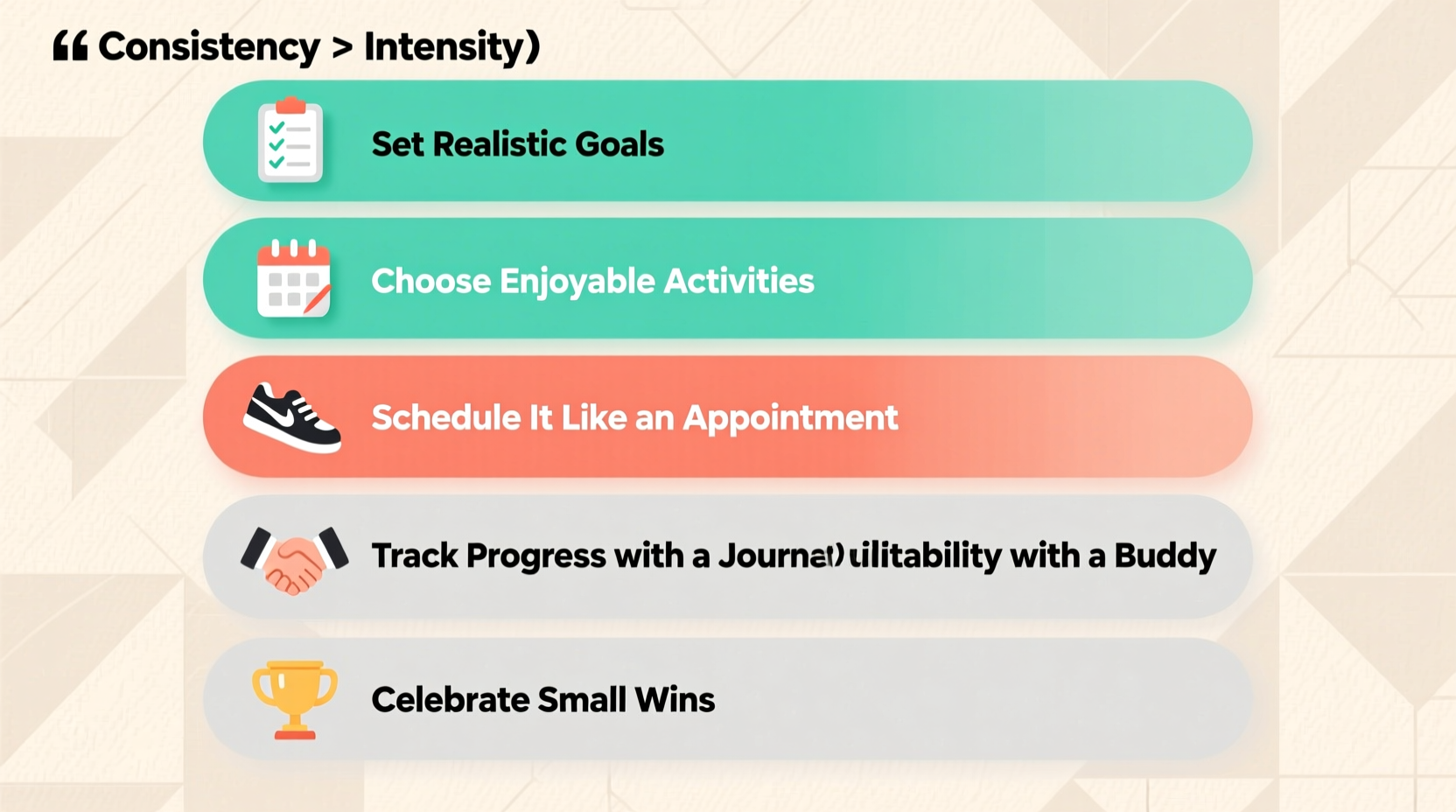
One of the most common reasons people abandon their fitness efforts is starting too aggressively. Jumping from zero to six workouts a week sets unrealistic expectations. When life gets busy or motivation dips, the entire routine collapses.
Instead, begin with a commitment so small it feels almost effortless. Ten minutes of movement three times a week. A daily 15-minute walk. The goal isn’t immediate results—it’s consistency. Research shows that habit formation relies on repetition, not intensity. Once the behavior becomes routine, you can gradually increase duration or difficulty.
Design a Routine That Fits Your Life
Exercise doesn’t have to mean gym sessions or early morning runs. The best routine is one tailored to your schedule, preferences, and physical ability. Ask yourself: When do I have the most energy? What types of movement do I actually enjoy? Can I incorporate activity into existing routines?
For example, someone with young children might find midday home workouts more realistic than pre-dawn sessions. An office worker may benefit from walking meetings or cycling to work. The key is alignment between your lifestyle and your fitness plan.
“Consistency beats intensity every time. It’s better to walk 20 minutes daily than to sprint once a month.” — Dr. Lena Patel, Behavioral Scientist and Movement Specialist
Step-by-Step Guide to Building Your Routine
- Assess your current activity level. Track your steps or note how often you move each day for one week.
- Choose one type of movement you enjoy. Walking, dancing, yoga, swimming—anything counts.
- Pick two non-negotiable days per week to start, with a third as a bonus.
- Schedule it like a meeting. Set a time and place to reduce decision fatigue.
- Prepare in advance. Lay out clothes, fill your water bottle, or set up equipment the night before.
- Track your streak. Use a calendar or app to mark completed sessions—visual progress builds momentum.
- After four weeks, evaluate and adjust. Add time, frequency, or variety only when consistency is stable.
Create Accountability and Feedback Loops
Willpower fades. Systems endure. To maintain consistency, build external structures that support your goals. These include tracking, social accountability, and environmental cues.
Tracking progress—not just weight or reps, but adherence—helps identify patterns. Did you skip workouts after late workdays? Then scheduling evening exercise may not be sustainable. Adjust accordingly.
Accountability partners, whether a friend, coach, or online community, increase follow-through. Knowing someone else expects you to show up—or simply seeing your weekly summary in an app—can make the difference between doing it or not.
| Strategy | How It Helps | Example |
|---|---|---|
| Habit Stacking | Links new behavior to existing routines | Do 10 squats after brushing your teeth |
| Environment Design | Reduces friction to start | Keep running shoes by the door |
| Public Commitment | Increases social accountability | Post workout updates on social media |
| Progress Tracking | Provides feedback and motivation | Mark an X on a calendar for each day active |
Overcome Common Barriers Before They Start
Anticipating obstacles is a hallmark of successful habit-building. Most people wait until they miss a workout to problem-solve—but by then, momentum is lost.
- Time constraints? Break activity into 10-minute chunks. Three short walks equal one 30-minute session.
- Lack of energy? Schedule movement during natural energy peaks—many find lunchtime or early evening ideal.
- Boredom? Rotate activities. Try a new podcast, playlist, or route to keep it fresh.
- Injury or discomfort? Consult a physiotherapist to modify movements safely.
Real Example: How Sarah Built a Habit That Lasted
Sarah, a 42-year-old teacher, had tried multiple fitness programs over the years but always quit within a month. She blamed her schedule and lack of motivation. After reading about habit stacking, she decided to pair a 10-minute morning stretch with her coffee ritual. She placed her yoga mat next to the kettle the night before—a visual cue. For the first week, she didn’t even turn on a video; she just moved gently while her coffee brewed.
Within three weeks, she looked forward to the routine. By week six, she added a 15-minute walk after school pickup. Nine months later, she’s exercising 4–5 times a week, has signed up for a local 5K, and no longer thinks of it as “working out”—it’s just part of her day.
Track Progress Beyond the Scale
Weight and appearance are poor indicators of long-term fitness success. More meaningful metrics include energy levels, sleep quality, mood stability, and functional strength—like climbing stairs without breathlessness or playing with kids without fatigue.
Consider keeping a simple journal with three weekly check-ins:
- How many days did I move intentionally?
- How do I feel physically and mentally compared to last month?
- What’s one thing I improved (e.g., balance, endurance, flexibility)?
This shifts focus from short-term outcomes to sustainable well-being.
Frequently Asked Questions
How long does it take to build a consistent exercise habit?
Research varies, but most studies suggest between 18 and 254 days, with an average of about 66 days for a behavior to become automatic. The timeline depends on complexity, individual differences, and consistency. The key is repetition, not perfection—missing a day doesn’t reset the clock.
What if I hate traditional exercise?
You don’t need to “exercise” at all. Movement is what matters. Gardening, cleaning, dancing, hiking, or playing sports all count. Choose activities that feel rewarding, not punishing. Enjoyment is the best predictor of long-term adherence.
Should I work out every day?
Not necessarily. Rest is part of progress. Most adults benefit from 150 minutes of moderate activity per week, spread across 3–5 days. Daily movement is great, but it doesn’t have to be structured exercise. Listen to your body and prioritize recovery when needed.
Your Next Step Starts Today
Building a lasting exercise routine isn’t about radical change or extreme discipline. It’s about making small, deliberate choices that compound over time. Forget perfection. Focus on persistence. Show up—even briefly—even when you don’t feel like it. Over time, those moments accumulate into transformation.
The most powerful workouts aren’t the ones that leave you sore, but the ones you actually do, week after week. Start where you are. Use what you have. Do what you can. Let consistency, not intensity, be your guide.




 浙公网安备
33010002000092号
浙公网安备
33010002000092号 浙B2-20120091-4
Comments
No comments yet. Why don't you start the discussion?