
For many pet owners, the simple act of feeding their dog is routine—but it may not be optimal. Dogs that eat from bowls placed on the floor can experience strain on their necks, shoulders, and digestive systems, especially larger breeds or those with joint issues. An elevated dog feeder promotes better posture during meals, eases swallowing, and supports overall digestive health. While pre-made models are available, building a custom elevated feeder allows you to tailor height, size, stability, and aesthetics to your dog’s specific needs and your home environment.
A well-designed feeder doesn’t just support physical health—it also reduces mess, prevents tipping, and blends seamlessly into your living space. This guide walks through every step of creating a durable, safe, and functional elevated dog feeder using accessible materials and tools.
Why Elevation Matters: The Health Benefits for Your Dog
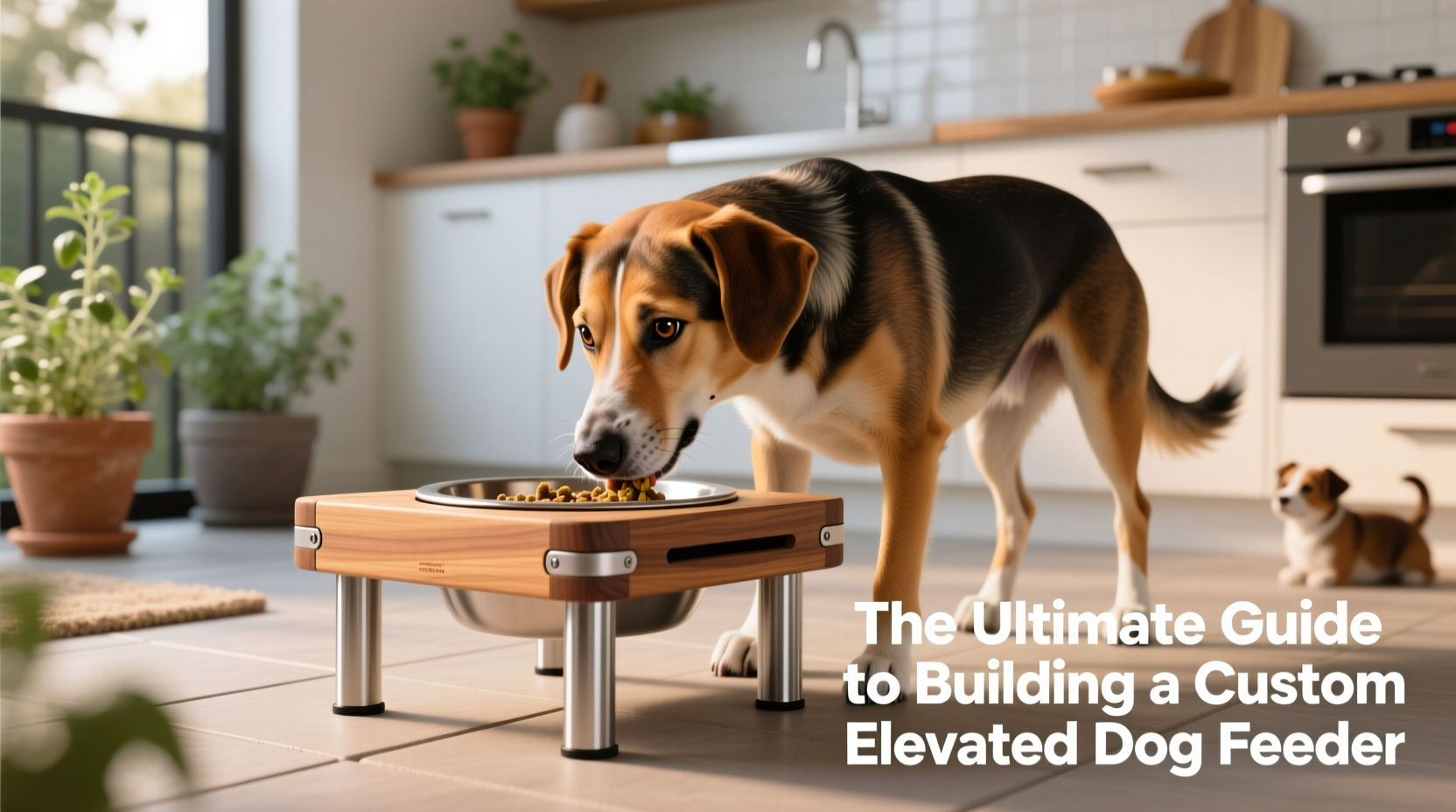
Dogs naturally lower their heads to drink and eat, but doing so from floor level forces them into an unnatural angle if they’re large or tall. Over time, this posture can contribute to musculoskeletal stress, particularly in breeds prone to hip dysplasia or arthritis. Elevating food and water bowls brings them closer to the dog’s natural shoulder height, minimizing strain.
Veterinarians often recommend raised feeders for dogs with conditions such as:
- Canine bloat (gastric dilatation-volvulus)
- Arthritis or degenerative joint disease
- Spinal or neck injuries
- Persistent regurgitation or esophageal disorders
“Elevated feeding can reduce esophageal pressure and improve swallowing mechanics, especially in large and giant breeds.” — Dr. Laura Simmons, DVM, Canine Orthopedic Specialist
However, note that while elevation helps many dogs, it should be introduced gradually. Sudden changes in bowl height may cause discomfort. Always consult your veterinarian before making significant adjustments, especially for dogs with existing health concerns.
Designing Your Custom Feeder: Key Considerations
Before cutting any wood or purchasing hardware, define your goals. A successful design balances function, safety, and durability. Consider these factors:
Height & Size
The feeder should allow your dog to eat without bending excessively. As a rule, the top of the bowl should sit at chest level when the dog is standing comfortably. For most medium to large dogs, this ranges between 12 and 24 inches. Adjust based on breed and age—older dogs may benefit from slightly higher platforms.
Stability & Safety
Top-heavy designs can tip easily, posing a choking hazard or discouraging use. Wider bases, non-slip feet, and secure bowl holders prevent accidents. Avoid sharp edges or protruding screws.
Material Selection
Choose materials that are non-toxic, weather-resistant (if used outdoors), and easy to clean. Common choices include:
| Material | Pros | Cons |
|---|---|---|
| Pine Wood | Affordable, easy to cut | Soft, may dent over time |
| Birch Plywood | Durable, smooth finish | More expensive |
| Bamboo | Eco-friendly, strong | Limited availability |
| Stainless Steel Legs | Industrial look, rust-resistant | Harder to customize |
Aesthetic Integration
Your feeder doesn’t have to look like a pet accessory. Stain or paint the wood to match your furniture. Consider hidden bowl brackets or recessed inserts for a sleek appearance.
Step-by-Step Construction Guide
Follow this sequence to build a sturdy, adjustable-height feeder using basic woodworking tools. Estimated build time: 2–3 hours.
- Measure your dog: Have your dog stand on a flat surface. Measure from the floor to the top of the shoulders (withers). Subtract 4–6 inches for optimal bowl height.
- Gather materials:
- One 24” x 18” plywood board (for base)
- Two 15” wood legs (x4 pieces)
- Screws (1.5”), wood glue, sandpaper
- Two stainless steel bowl clips or wooden bowl holders
- Optional: rubber feet, wood stain, sealant
- Cut and sand components: Cut legs to desired height. Sand all edges smooth to prevent splinters.
- Assemble the frame: Attach two legs vertically to each end of the base using screws and wood glue. Reinforce corners with L-brackets if needed.
- Install bowl holders: Center bowl clips on the platform. Drill holes if required and secure tightly.
- Add finishing touches: Sand entire structure, apply sealant or stain, and attach rubber feet to the bottom of legs to prevent slipping.
- Test stability: Place bowls with water and simulate eating pressure. Ensure no wobbling occurs.
Real-World Example: Helping Max, a Senior Great Dane
Max, a 9-year-old Great Dane, began showing reluctance to eat his meals from floor-level bowls. His owner noticed him hesitating, stretching after meals, and occasionally regurgitating food. A vet visit revealed early signs of cervical spine wear. The recommendation? Try an elevated feeder.
Instead of buying a generic model, Max’s owner built a 22-inch-high bamboo feeder with a wide base and non-slip pads. Within days, Max ate more confidently and stopped arching his back after meals. His regurgitation episodes dropped by over 70% in two weeks. The custom fit made all the difference—store-bought options were either too short or unstable for his size.
Maintenance and Usage Tips
A well-built feeder lasts years, but proper care ensures ongoing safety and hygiene.
- Clean the platform weekly with mild soap and water, especially if food spills occur.
- Inspect screws and joints monthly for looseness.
- Replace rubber feet if worn to maintain grip.
- Use stainless steel bowls—they’re easier to sanitize than plastic and don’t harbor bacteria.
“Customization allows owners to address specific biomechanical needs. One-size-fits-all rarely fits anyone perfectly.” — Dr. Anita Patel, Veterinary Rehabilitation Therapist
Frequently Asked Questions
Can elevated feeders cause bloat?
This is a common concern. Some older studies suggested a link, but recent veterinary consensus indicates that while elevation may not prevent bloat, it does not cause it. Bloat is multifactorial, influenced by genetics, eating speed, and exercise timing. If your dog is at risk, focus on slow feeding, smaller meals, and avoiding vigorous activity around mealtimes.
What’s the best height for a small dog?
Small breeds generally need less elevation—typically 3 to 6 inches. The goal is to keep the head only slightly lowered, not parallel to the back. Toy breeds like Chihuahuas or Yorkies benefit from compact, low platforms.
Can I make a collapsible version for travel?
Yes. Use lightweight plywood or ABS board with folding leg hinges. Secure with wingnuts for quick assembly. Just ensure the final structure is rigid when set up.
Final Checklist Before You Begin Building
- ✅ Measure your dog’s ideal height
- Take multiple readings to ensure accuracy.
- ✅ Choose non-toxic, durable materials
- Avoid treated lumber or finishes with VOCs.
- ✅ Prioritize stability over style
- A wobbly feeder defeats the purpose.
- ✅ Test with water first
- Simulate real-world use before introducing food.
- ✅ Introduce gradually
- Let your dog adjust to the new height over a few days.
Conclusion: Build Better Meals for a Healthier Pet
Creating a custom elevated dog feeder is more than a DIY project—it’s an investment in your pet’s long-term comfort and health. With thoughtful design and careful construction, you can eliminate unnecessary strain, encourage better digestion, and provide a feeding experience tailored precisely to your dog’s body and habits. Unlike mass-produced options, a handmade feeder reflects both care and craftsmanship.




 浙公网安备
33010002000092号
浙公网安备
33010002000092号 浙B2-20120091-4
Comments
No comments yet. Why don't you start the discussion?