
As temperatures rise, pet owners increasingly consider clothing as a tool for protecting their dogs from the summer heat. While it may seem counterintuitive—after all, dogs have natural fur coats—certain garments can actually help regulate body temperature, shield against UV rays, and prevent overheating in specific conditions. However, not all dog clothes are created equal, and improper choices can do more harm than good. This guide breaks down what to look for, when to use cooling apparel, and how to ensure your dog stays safe, dry, and comfortable under the summer sun.
Understanding When Dogs Need Cooling Clothes
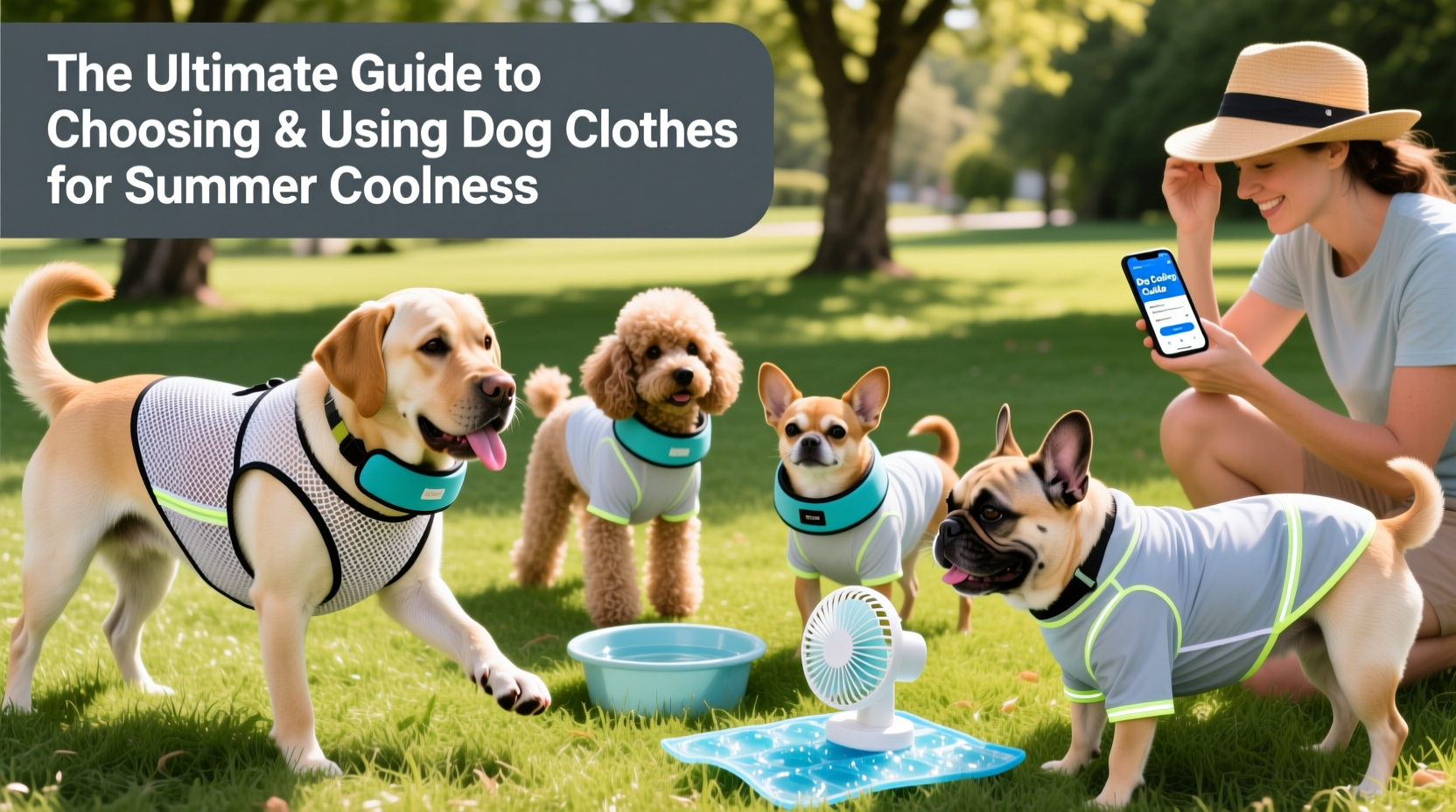
Dogs primarily cool themselves through panting and limited sweat glands in their paw pads. Breeds with thick coats—such as Huskies, Malamutes, or Newfoundlands—are naturally predisposed to heat stress. Similarly, brachycephalic breeds like Bulldogs and Pugs struggle to dissipate heat efficiently due to compromised airways. In urban environments, pavement radiates heat, increasing ambient temperature significantly above official readings. During peak hours, even short walks can become dangerous.
Cooling dog clothes are not meant to replace shade, hydration, or indoor rest—they're an additional layer of protection. They’re most effective when used during early morning or late afternoon outdoor activities, in direct sunlight, or for dogs with medical sensitivities such as thinning coats due to age or illness.
“Clothing isn’t a substitute for proper heat management, but well-designed cooling garments can reduce thermal load on vulnerable dogs,” says Dr. Lena Torres, veterinary dermatologist at the National Animal Wellness Institute.
Key Features of Effective Summer Dog Apparel
Not every lightweight dog shirt qualifies as a “cooling” garment. To be effective, summer-specific clothing should meet several functional criteria:
- Breathable fabric: Mesh, bamboo, or moisture-wicking polyester blends allow airflow and reduce moisture buildup.
- UV protection: UPF-rated materials (UPF 30–50+) block harmful ultraviolet radiation, especially important for light-colored or hairless breeds.
- Light color: White or pastel shades reflect sunlight rather than absorbing it.
- Ventilation zones: Strategically placed mesh panels under the belly or along the back enhance air circulation.
- Secure but non-restrictive fit: Adjustable straps or elastic hems prevent chafing while ensuring the garment stays in place.
Types of Cooling Dog Clothing and Their Uses
Different situations call for different types of apparel. Understanding the purpose behind each design helps match the right garment to your dog’s needs.
| Type | Best For | Limitations |
|---|---|---|
| Cooling Vests (wet-activated) | Outdoor exercise, hiking, beach trips | Requires re-wetting every 1–2 hours; ineffective in high humidity |
| UV-Protective Shirts | Daily walks, sun exposure, post-surgery recovery | Limited cooling effect; focus is on sunblock |
| Mesh Harness Covers | Dogs needing harness support with added ventilation | Not standalone cooling; secondary benefit only |
| Evaporative Bandanas | Quick cooldown during walks | Short duration (30–60 mins); must be soaked before use |
Cooling vests work on the principle of evaporative cooling. Once soaked in water and wrung out, they gradually release moisture, drawing heat away from the dog’s body. These are ideal for active dogs but require access to water for reactivation. UV shirts, meanwhile, serve a protective role similar to sunscreen and are recommended for dogs with pink skin or sparse fur.
Step-by-Step: How to Use a Cooling Vest Safely
Using a cooling vest incorrectly can lead to discomfort or even increased heat retention. Follow this sequence to maximize effectiveness:
- Choose the correct size: Measure your dog’s girth behind the front legs and consult sizing charts. A too-tight vest restricts movement; a loose one slips and rubs.
- Pre-soak the vest: Submerge in cool (not icy) water for 2–3 minutes. Wring gently—damp, not dripping.
- Apply before going outside: Put the vest on indoors so your dog adjusts before activity.
- Monitor behavior: Watch for signs of distress—excessive panting, reluctance to move, or drooling.
- Re-wet regularly: Re-soak every 60–90 minutes, depending on climate and activity level.
- Remove after use: Let the vest air-dry completely before storage to prevent mildew.
“Never rely solely on a cooling vest in extreme heat. It’s a supplement, not a solution,” advises Dr. Torres.
Avoiding Common Mistakes with Summer Dog Clothes
Even well-intentioned owners make errors that compromise their dog’s comfort. Here are frequent pitfalls and how to avoid them:
- Mistake: Leaving wet clothing on for too long.
Solution: Prolonged dampness can cause skin irritation or fungal growth. Remove and dry garments after use. - Mistake: Using insulated or lined fabrics in summer.
Solution: Avoid fleece-lined jackets or raincoats unless it’s raining and cool outside. - Mistake: Ignoring signs of overheating.
Solution: If your dog resists wearing the garment or shows agitation, remove it immediately. - Mistake: Overusing cooling products.
Solution: Excessive reliance on vests may mask underlying issues like poor acclimatization or dehydration.
Real-World Example: Managing Heat for a Senior Golden Retriever
Sarah, a pet owner in Phoenix, Arizona, noticed her 10-year-old Golden Retriever, Max, struggling during early evening walks. Despite avoiding midday heat, Max would stop frequently, pant heavily, and refuse to continue. Concerned, Sarah consulted her vet, who suggested trying a UPF 50+ cooling shirt combined with shorter, shaded routes.
She introduced a lightweight, breathable cooling vest soaked in cool water before each walk. She also shifted walks to just after sunset and carried a portable water bowl. Within a week, Max showed improved stamina and less panting. The combination of protective clothing, adjusted timing, and hydration made summer walks manageable again.
This case illustrates that clothing works best as part of a broader heat-management strategy—not in isolation.
Checklist: Preparing Your Dog for Summer Outings
Use this checklist before heading out with your dog during warm months:
- ✅ Check the ground temperature with your hand—too hot for your palm is too hot for paws.
- ✅ Ensure your dog is hydrated before leaving.
- ✅ Choose lightweight, breathable clothing if needed.
- ✅ Soak cooling vests or bandanas in advance.
- ✅ Carry water and a collapsible bowl.
- ✅ Plan a route with available shade.
- ✅ Monitor your dog continuously for signs of overheating.
- ✅ Have a towel or mat ready for rest breaks.
Frequently Asked Questions
Do all dogs need cooling clothes in summer?
No. Most healthy dogs with normal coats regulate temperature effectively without clothing. Cooling apparel is most beneficial for senior dogs, those with medical conditions, thin-coated breeds, or pets exposed to prolonged sun.
Can cooling clothes cause overheating?
Yes—if made from non-breathable materials, worn too tightly, or left on when wet for extended periods. Always choose ventilated fabrics and monitor your dog closely.
How do I clean and maintain cooling garments?
Hand wash or use a gentle machine cycle with mild detergent. Avoid fabric softeners, which can clog moisture-wicking fibers. Air-dry completely before storing to prevent mold.
Stay Smart, Stay Cool
Choosing the right dog clothing for summer isn’t about fashion—it’s about function, safety, and respect for your pet’s natural limits. With thoughtful selection and responsible use, cooling garments can play a valuable role in protecting your dog from heat-related risks. Combine smart apparel with hydration, shade, and mindful scheduling to ensure your pet enjoys the season safely.




 浙公网安备
33010002000092号
浙公网安备
33010002000092号 浙B2-20120091-4
Comments
No comments yet. Why don't you start the discussion?