
Dogs are naturally built for barefoot exploration. Their paw pads are tough, resilient, and designed to handle a variety of terrains. But modern environments—icy sidewalks, hot pavement, sharp gravel, or chemical-laden roads—can pose serious risks. Dog boots offer protection, yet many pets resist wearing them. The key isn’t just finding the right boot, but introducing it in a way that prioritizes comfort, safety, and trust. When done correctly, dogs can not only tolerate boots but walk confidently in them.
Why Dogs Need Boots—and Why They Resist Them
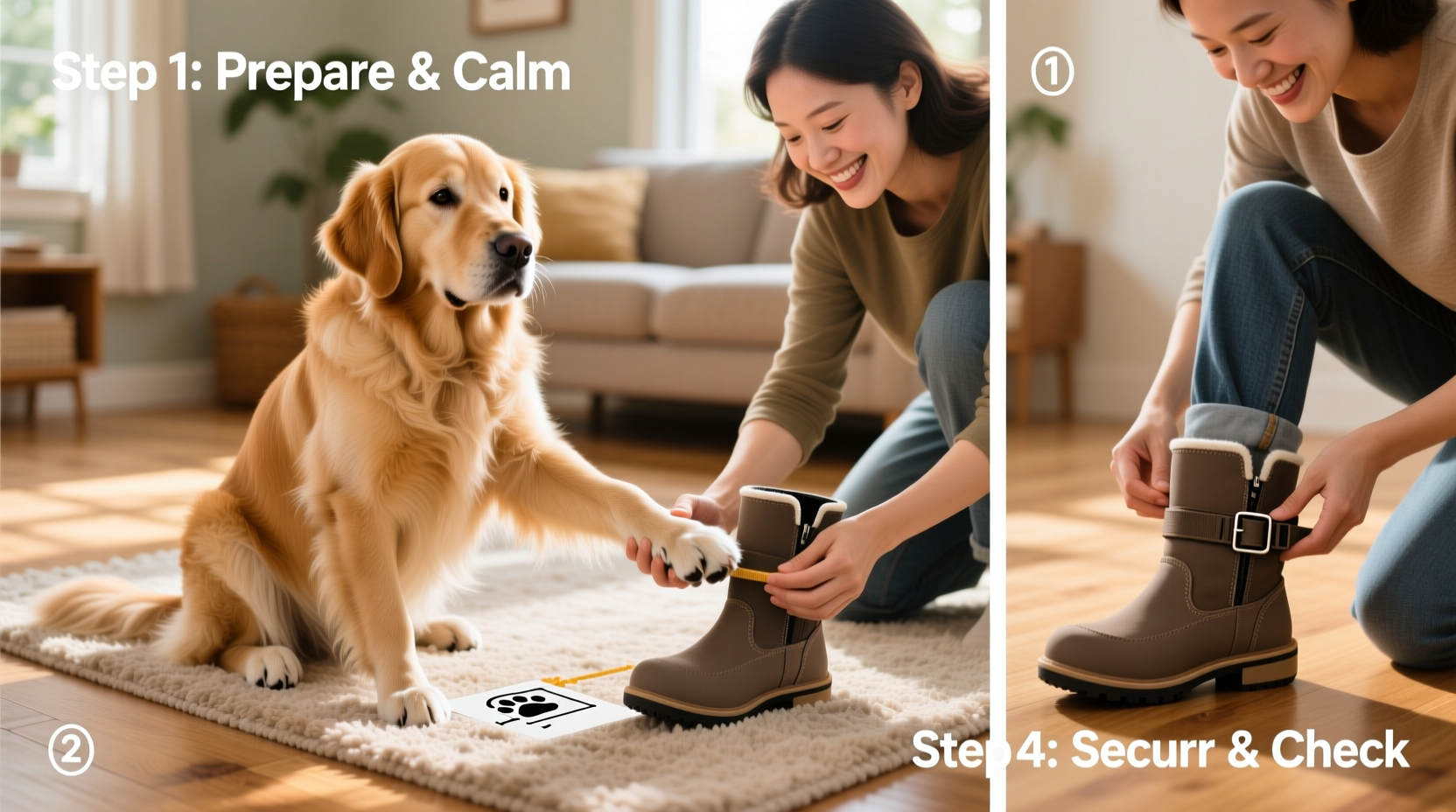
Dog boots serve several practical purposes: preventing frostbite in winter, shielding against burns from hot asphalt, avoiding cuts from broken glass or ice shards, and reducing exposure to de-icing salts and allergens. Despite these benefits, most dogs react negatively at first. This isn’t defiance—it’s instinct. Paws are highly sensitive, and foreign objects on them trigger discomfort or anxiety. Sudden restriction of natural movement can feel threatening.
Dr. Lena Reyes, a veterinary behaviorist, explains:
“Dogs rely heavily on tactile feedback from their paws. Covering them disrupts balance and sensory input, which can cause hesitation or panic if introduced too quickly.”
The solution isn’t force—it’s patience, preparation, and positive reinforcement. A rushed process creates lasting fear. A thoughtful one builds confidence.
Step-by-Step Guide to Introducing Dog Boots
Success lies in gradual acclimation. Rushing to full wear leads to resistance. Follow this timeline over several days:
- Day 1–2: Familiarization – Place the boots near your dog’s bed or feeding area. Let them sniff and investigate without pressure. Reward curiosity with treats.
- Day 3: Touch Conditioning – Gently touch each paw with the boot. No attempt to put it on. If your dog pulls away, stop and try again later. Pair each touch with a treat.
- Day 4: Brief Fitting (5–10 seconds) – Slide one boot onto a front paw, then immediately remove it. Praise and reward. Repeat once per session, across multiple short sessions.
- Day 5: Extended Wear (30 seconds) – Leave the boot on slightly longer. Encourage walking a few steps indoors. Remove and reward.
- Day 6–7: Full Set Practice – Put on two boots, then all four. Walk around the house for a minute. Monitor gait and comfort.
- Day 8+: Outdoor Use – Begin short outdoor walks. Start on soft grass or carpeted porch before moving to pavement.
Selecting the Right Boots: Fit, Function, and Material
Ill-fitting boots are the top reason dogs reject them. Too tight causes pain; too loose leads to tripping or loss. Measure your dog’s paws at home: press their foot onto paper, trace the outline, and measure the widest part. Compare to manufacturer sizing charts.
Consider terrain and climate:
| Use Case | Recommended Boot Type | Key Features |
|---|---|---|
| Winter / Snow | Insulated, waterproof | Grip soles, high cuff to block snow entry |
| Hot Pavement | Heat-resistant soles | Lightweight, breathable upper |
| Rugged Trails | Durable hiking boots | Reinforced toe, secure ankle strap |
| All-season protection | Flexible rubber | Easy on/off, moderate grip |
Avoid universal \"one-size-fits-all\" models. Breeds like Greyhounds with narrow paws or Bulldogs with wide feet need specialized fits. Brands like Ruffwear, Ultra Paws, and Pawz offer precise sizing and return policies for testing.
Common Mistakes to Avoid
- Skipping the adjustment period – Expecting immediate acceptance leads to stress.
- Forcing the boot on – This damages trust and may cause long-term aversion.
- Ignoring fit changes – Puppies grow; senior dogs lose muscle tone. Recheck fit every few months.
- Using boots daily without breaks – Prolonged wear can cause moisture buildup and irritation.
- Not trimming fur between pads – Long hair traps dirt and prevents snug fit.
Real-World Example: Helping a Rescue Dog Adapt
Baxter, a three-year-old Border Collie mix, was adopted from a rural shelter. His new owner, Maria, lived in a city with icy winters and salted sidewalks. Baxter had never worn boots and panicked when first approached with them. Instead of forcing them, Maria followed a slow protocol.
She began by placing the boots next to his dinner bowl. After two days, she touched his paws with one boot while giving treats. By day five, he allowed a single boot for ten seconds. Over ten days, he wore all four for indoor walks. On day 12, they took a 2-minute trip outside. Now, Baxter waits by the door when he sees the boot bag, tail wagging. “It wasn’t about the boots,” Maria said. “It was about showing him they weren’t a threat.”
Checklist: Preparing Your Dog for Boot Wear
- Measure all four paws accurately.
- Purchase boots with adjustable straps and non-slip soles.
- Introduce boots gradually—no immediate wear.
- Pair each interaction with high-value treats.
- Inspect paws daily for redness or chafing.
- Limited initial use: no more than 15 minutes at first.
- Practice indoors before going outside.
- Remove boots immediately after use and clean as needed.
Frequently Asked Questions
How do I know if the boots fit properly?
A well-fitting boot should be snug but not tight. You should be able to fit one fingertip under the strap. The sole should align with the paw pad without curling toes. Watch your dog walk—if they lift a leg repeatedly or lick their feet, the fit may be off.
Can my dog pee or walk normally in boots?
Yes, once acclimated. Most dogs adapt their gait within minutes. Male dogs may need slight adjustment when lifting their leg, but proper boot design allows full range of motion. Observe the first few outdoor trips to ensure no interference.
How often should I replace dog boots?
Depends on usage. For regular winter use, expect 3–6 months. Check for worn treads, torn seams, or stretched straps. Worn boots lose grip and increase injury risk. Rotate pairs if possible to extend lifespan.
Final Thoughts: Patience Is Protection
Dog boots aren’t just accessories—they’re essential gear for modern pet safety. But their effectiveness depends on how they’re introduced. A dog who trusts the process will walk confidently through snow, sand, or city streets. One forced into boots may resist forever. The difference lies in time, consistency, and respect for your dog’s experience.
Start small. Celebrate tiny wins. Listen to your dog’s body language. What seems like a simple task—to put on a boot—is actually an act of communication. Do it with care, and you’ll build not just paw protection, but deeper trust.




 浙公网安备
33010002000092号
浙公网安备
33010002000092号 浙B2-20120091-4
Comments
No comments yet. Why don't you start the discussion?