
For many, a morning ritual begins with the right mug in hand. But not all mugs are created equal. While some are mass-produced with thin porcelain and generic designs, others offer superior craftsmanship, insulation, ergonomic design, and aesthetic appeal—all hallmarks of high value. The challenge lies in identifying which ones deliver true worth without overpaying. With countless options flooding e-commerce platforms, knowing where to look and what to look for is essential. This guide equips you with actionable insights, trusted sources, and strategic methods to uncover coffee mugs that justify their price and elevate your daily experience.
What Defines a High-Value Coffee Mug?
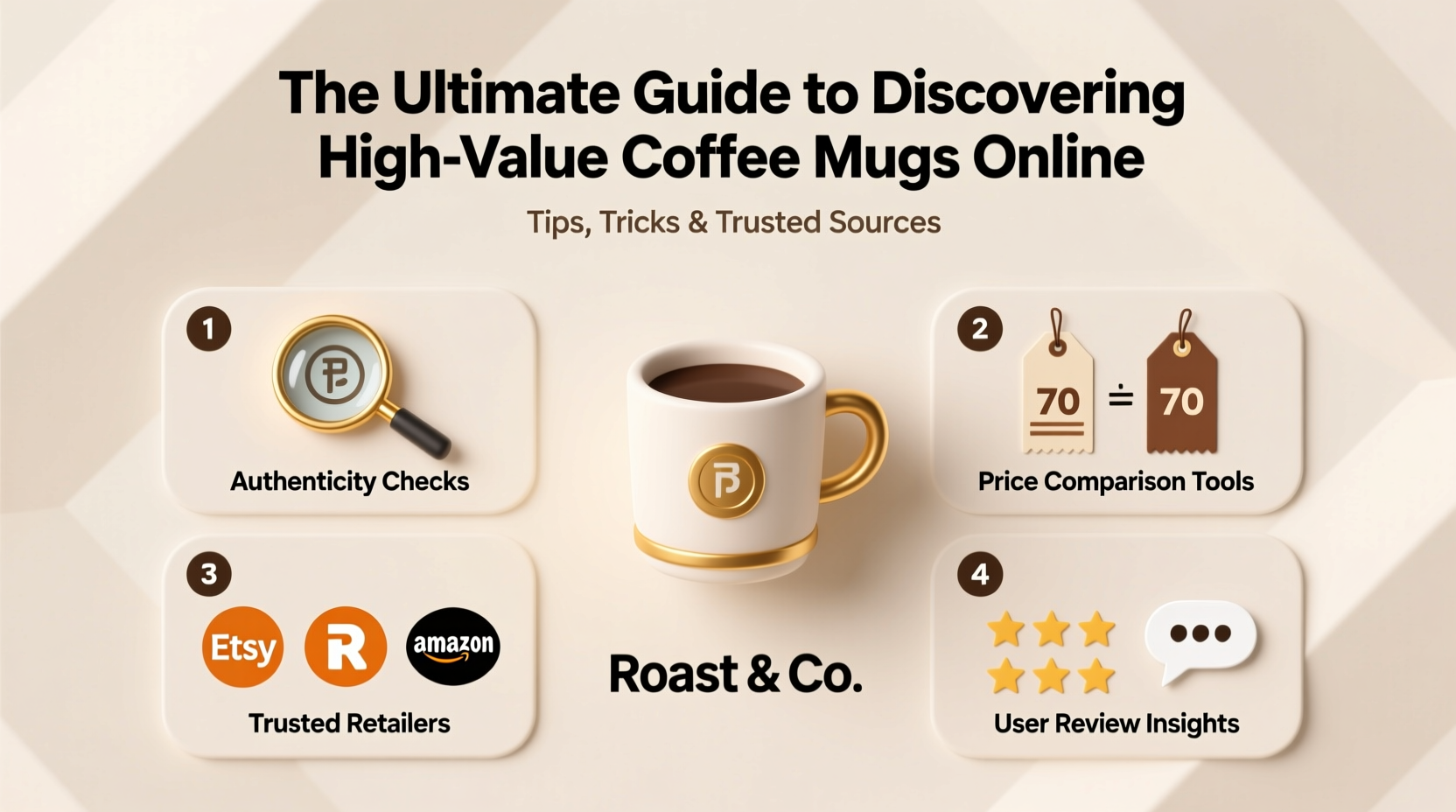
A high-value coffee mug isn’t just about cost—it’s about return on investment measured in durability, functionality, comfort, and emotional satisfaction. A $40 mug may be a better value than a $15 one if it lasts ten years, keeps drinks hot for hours, feels balanced in hand, and brings joy each time it’s used.
Key attributes of a high-value mug include:
- Durable materials: Stoneware, double-walled borosilicate glass, or high-grade ceramic resist chipping and thermal shock.
- Insulation performance: Double-wall construction or vacuum sealing maintains beverage temperature.
- Ergonomic design: A well-proportioned handle and weight distribution enhance grip and usability.
- Thoughtful craftsmanship: Hand-thrown pottery, glaze consistency, and attention to detail reflect artisanal care.
- Brand integrity: Transparent sourcing, ethical production, and customer-centric policies signal long-term trustworthiness.
Top Online Sources for Premium Coffee Mugs
Not all online retailers curate with intention. Some focus solely on volume, while others specialize in quality and authenticity. Below are vetted platforms known for offering high-value mugs backed by customer satisfaction and product rigor.
| Source | Specialty | Average Price Range | Why It Stands Out |
|---|---|---|---|
| Crate & Barrel | Modern stoneware and designer collaborations | $18–$35 | Consistent quality control and elegant, functional designs |
| Society6 | Artist-designed, limited-run mugs | $20–$28 | Supports independent creators; unique artwork on durable ceramics |
| Etsy (select shops) | Handmade pottery from independent artisans | $25–$50+ | Authentic craftsmanship; direct artist communication possible |
| Amazon (verified premium brands) | Vacuum-insulated travel mugs and bestsellers | $20–$45 | Customer reviews, fast shipping, and reliable returns |
| Williams Sonoma | Luxury kitchenware and exclusive collections | $28–$60 | Premium materials and partnerships with renowned designers |
“Buying a handmade mug isn’t just a transaction—it’s supporting a craftsperson’s livelihood. That connection adds intangible value.” — Lena Torres, Ceramic Artist & Educator
Smart Strategies for Evaluating Online Listings
Scrolling through hundreds of mugs can be overwhelming. To cut through the noise, apply a systematic evaluation process before purchasing.
Step-by-Step Guide: How to Vet a Mug Listing
- Check material specifications: Look for explicit mentions like “lead-free glaze,” “dishwasher-safe stoneware,” or “borosilicate glass.” Avoid vague terms like “ceramic” without further detail.
- Analyze customer photos: Real user-submitted images often reveal flaws not shown in professional shots—uneven glaze, rough edges, or misleading size.
- Read beyond star ratings: Skim 3- and 4-star reviews for balanced feedback. Complaints about cracking after first use or fading print are red flags.
- Verify dimensions: Compare listed height and capacity (in ounces) with a standard measuring cup at home to avoid surprises.
- Assess return policy: Reputable sellers offer at least 30-day returns. If returns aren’t clearly stated, proceed with caution.
- Look for certifications: FDA-compliant, non-toxic, or BPA-free labels add assurance, especially for travel mugs.
Real Example: Finding a Mug That Lasts
Sarah, a remote worker from Portland, spent two years cycling through flimsy mugs that cracked or lost heat within minutes. Frustrated, she decided to invest in one high-quality piece. She turned to Etsy, filtering for “hand-thrown stoneware” with at least 50 five-star reviews. After messaging the potter about glaze safety and microwave compatibility, she purchased a 14-ounce matte gray mug for $36. Three years later, it remains her go-to—no chips, no fading, and it retains warmth significantly longer than her previous mugs. The initial cost was higher, but the longevity and daily enjoyment made it a standout value.
This case illustrates how patience, research, and direct engagement with makers can lead to lasting satisfaction.
Do’s and Don’ts When Shopping for Premium Mugs
| Do’s | Don’ts |
|---|---|
| Compare weight-to-size ratio—too light may mean thin walls | Assume all “artisan” mugs are high quality |
| Search for mugs with reinforced rims and smooth interior glaze | Ignore shipping costs—some handmade items have disproportionately high fees |
| Use filters like “free returns” or “climate pledge friendly” on major platforms | Buy novelty mugs expecting long-term durability |
| Check if the brand offers repair or replacement programs | Overlook packaging details—poor packing increases breakage risk |
Frequently Asked Questions
Are handmade mugs worth the extra cost?
When sourced from skilled potters with strong reviews, yes. Handmade mugs often feature thicker walls, unique textures, and individual character that machine-made versions lack. They also support small businesses and sustainable practices. However, verify functionality—some artistic mugs aren’t suited for daily heavy use.
How can I tell if a mug is truly insulated?
True insulation typically involves double or triple walls, often with a vacuum seal (common in travel mugs). Check product descriptions for terms like “vacuum insulated,” “keeps drinks hot for 6+ hours,” or “prevents condensation.” Single-wall ceramic, even if thick, does not insulate effectively.
Is it safe to buy mugs from international sellers?
It can be, but exercise caution. Review seller ratings, shipping times, and customs policies. For ceramics, ensure they comply with U.S. FDA standards for food safety, especially regarding lead and cadmium in glazes. Reputable platforms like Etsy display these compliance notes in listings.
Final Checklist Before You Buy
- ✅ Material is specified and appropriate for your use (e.g., stoneware for home, stainless steel for travel)
- ✅ Customer reviews mention durability and heat retention
- ✅ Dimensions match your expectations (compare to a known mug)
- ✅ Return policy is clear and reasonable
- ✅ Seller has consistent branding and responsive communication
- ✅ Design aligns with long-term taste—not just a passing trend
Conclusion: Elevate Your Daily Ritual
Finding a high-value coffee mug online doesn’t require luck—it requires strategy. By focusing on material integrity, trusting reputable sources, reading between the lines of product listings, and learning from real user experiences, you can make purchases that last and delight. Whether you're drawn to minimalist modernism, rustic handmade charm, or high-performance engineering, the perfect mug is out there. Take your time, apply these insights, and invest in something that enhances not just your coffee, but your mornings.




 浙公网安备
33010002000092号
浙公网安备
33010002000092号 浙B2-20120091-4
Comments
No comments yet. Why don't you start the discussion?