
Finding a beautiful heart-shaped necklace with simulated diamonds doesn’t have to mean emptying your wallet. With the growing sophistication of lab-created gemstones and precision craftsmanship, high-quality alternatives to natural diamonds are now accessible at a fraction of the cost. However, affordability should never come at the expense of appearance, durability, or ethical sourcing. The key lies in knowing what to look for—and where to look.
This guide breaks down the essential factors that determine value in simulated diamond jewelry, equips you with practical strategies to spot superior pieces, and helps you avoid common pitfalls when shopping online or in-store.
Understanding Simulated Diamonds: Beyond the Sparkle
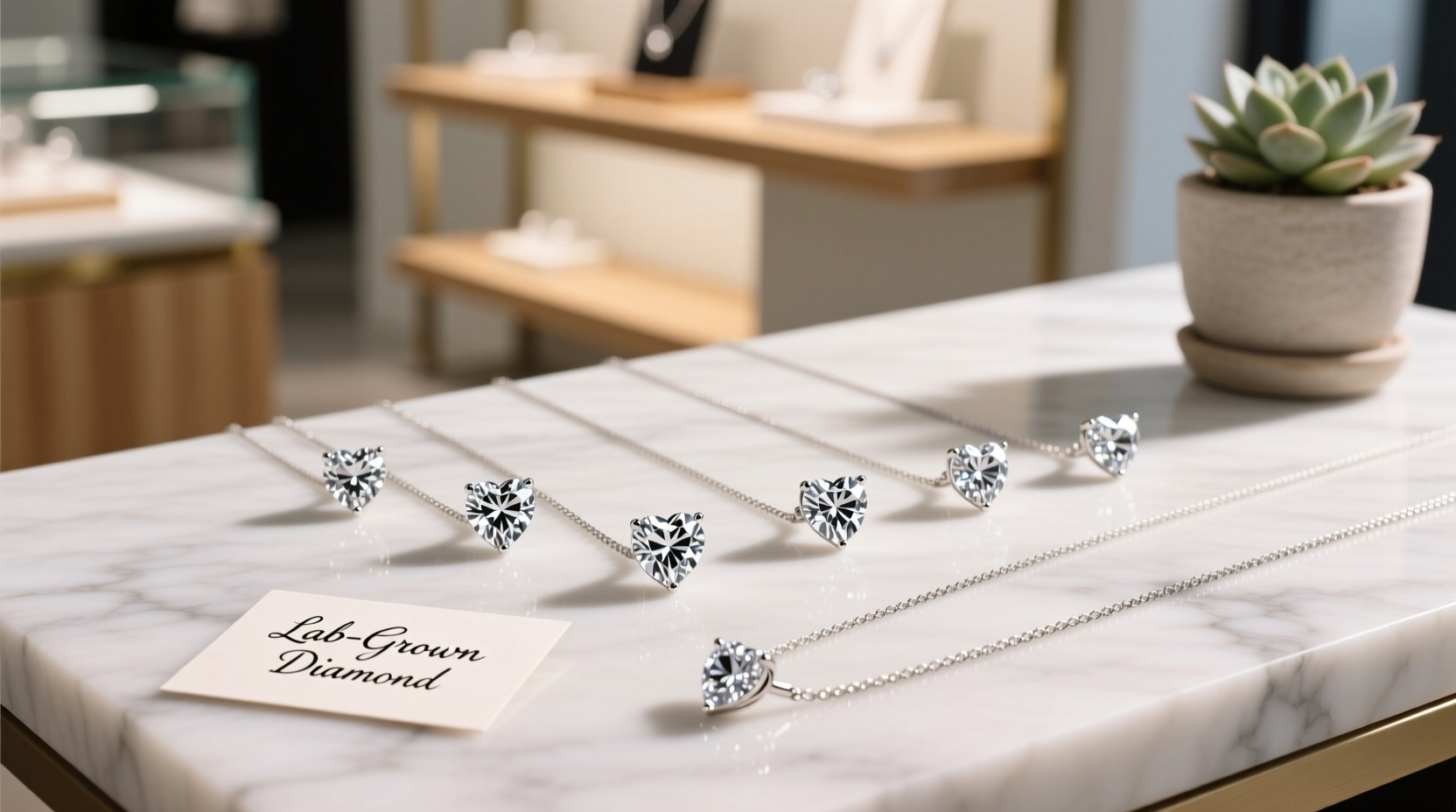
Simulated diamonds—also known as diamond simulants—are stones designed to visually mimic the brilliance and fire of natural diamonds. Unlike synthetic diamonds (like lab-grown diamonds, which share the same chemical structure), simulants differ chemically but offer similar optical properties. Common types include cubic zirconia (CZ), moissanite, and strontium titanate.
Cubic zirconia remains the most popular choice for affordable heart necklaces due to its low cost and high refractive index. Moissanite, though slightly more expensive, offers greater hardness and brilliance, making it a long-term favorite among discerning buyers.
“Not all sparkle is created equal. A well-cut CZ set in quality metal can outshine a poorly made piece with inferior materials.” — Lena Reyes, Jewelry Design Consultant
The visual appeal of a simulated diamond depends on cut, clarity, color, and carat weight—often referred to as the “Four Cs,” just like natural diamonds. A well-cut stone will reflect light evenly, creating maximum brilliance. Even if the stone is small, proper proportions make it stand out.
Material Matters: Choosing the Right Metal Setting
The metal used in the necklace setting significantly affects both durability and perceived value. Many budget-friendly heart necklaces use base metals coated with precious metal finishes. While these can look appealing initially, they often tarnish or wear off over time.
To ensure longevity, prioritize settings made from:
- Sterling silver (925): Affordable, hypoallergenic, and naturally lustrous. Requires occasional polishing.
- Rhodium-plated silver: Offers a brighter, whiter finish and added scratch resistance.
- Stainless steel: Highly durable, resistant to tarnish, and ideal for sensitive skin.
- Palladium or platinum overlay: Found in higher-end simulants, offering luxury feel at lower cost.
Avoid items described only as “silver tone” or “gold tone”—these usually indicate no actual precious metal content. Instead, look for clear markings such as “925,” “sterling,” or “14K GP” (gold plated over sterling).
| Metal Type | Durability | Hypoallergenic? | Best For |
|---|---|---|---|
| Sterling Silver | Medium | Yes (unless alloyed poorly) | Daily wear, classic styles |
| Gold Plated (over brass) | Low-Medium | No (risk of reaction) | Occasional wear, fashion pieces |
| Stainless Steel | High | Yes | Active lifestyles, sensitive skin |
| Titanium | Very High | Yes | Durable, modern designs |
Smart Shopping Strategies for Maximum Value
Buying an affordable yet high-quality simulated diamond heart necklace requires research, patience, and attention to detail. Follow this step-by-step approach to get the best deal without compromise.
- Set a realistic budget: Decide how much you’re willing to spend, then focus on brands within that range known for consistency.
- Read customer reviews: Pay close attention to comments about discoloration, stone looseness, or misleading photos. Photos uploaded by customers are especially telling.
- Check return policies: Reputable sellers offer at least a 30-day return window. This allows you to inspect the piece in person.
- Verify third-party testing: Some retailers provide lab reports or certification for larger simulants (especially moissanite), confirming cut quality and authenticity.
- Compare total cost: Factor in shipping, taxes, and potential customs fees, especially when ordering internationally.
Real Example: Sarah’s Thoughtful Purchase
Sarah wanted a meaningful gift for her sister’s birthday—a heart necklace symbolizing their bond. She had $75 to spend and didn’t want something that would tarnish after a month. After researching, she found two options: one from a fast-fashion site at $29.99 and another from a niche jeweler at $68.
The cheaper option was labeled “cubic zirconia in silver-tone metal.” The pricier one specified “hand-set CZ in rhodium-plated sterling silver with spring ring clasp.” Customer photos showed the first necklace turning black around the chain after three weeks. The second had consistent five-star reviews praising its lasting shine.
Sarah chose the $68 piece. Eight months later, it still looks new—proof that investing in material transparency pays off.
Avoiding Common Scams and Misleading Marketing
Not every listing tells the full story. Some vendors use professional lighting, magnified images, or vague terminology to exaggerate quality. Watch out for red flags like:
- “Diamond-like” or “looks like real diamonds” without specifying the stone type.
- Missing details about metal composition.
- Stock photos only—no user-submitted images.
- Unrealistic prices for large stones (e.g., a 2-carat “diamond” for $30).
“Price should raise questions, not end them. If it seems too good to be true, dig deeper into materials and seller reputation.” — Marcus Tran, Gemologist & Ethical Sourcing Advocate
Stick to platforms with buyer protection (like Etsy, Amazon, or established jewelry websites) and verify the seller’s rating and response history. Independent jewelers who specialize in simulated stones often provide better craftsmanship than mass-market retailers.
FAQ: Your Top Questions Answered
Are simulated diamond necklaces worth buying?
Absolutely. When crafted with care, simulated diamond heart necklaces offer lasting beauty and emotional significance without the premium price tag. They’re ideal for gifts, layering in jewelry stacks, or wearing daily without worry.
How do I keep my simulated diamond necklace looking new?
Clean it weekly with mild soap and warm water using a soft toothbrush. Avoid chlorine, perfume, and abrasive cleaners. Store it separately in a fabric-lined box to prevent scratches.
Can I resize or repair a simulated diamond heart necklace?
Most chains can be resized or repaired by a local jeweler. If a stone becomes loose, many jewelers will re-secure it for a small fee—especially if the setting is sterling silver or stainless steel.
Final Checklist Before You Buy
✅ Stone type clearly stated (e.g., cubic zirconia, moissanite)✅ Metal composition confirmed (e.g., 925 sterling silver, gold-plated over brass)
✅ Chain length and thickness provided (typically 16–18 inches, 1.2mm+ width for durability)
✅ Secure clasp type (lobster claw or spring ring preferred)
✅ Real customer photos and honest reviews available
✅ Return policy and warranty information visible
✅ Seller has responsive customer service and verifiable contact info
Conclusion: Shine Bright Without Breaking the Bank
Finding an affordable simulated diamond heart necklace that doesn’t sacrifice quality is entirely possible—with the right knowledge. By understanding materials, recognizing marketing tricks, and prioritizing craftsmanship over flashy claims, you can own or gift a piece that radiates elegance and sentiment for years to come.




 浙公网安备
33010002000092号
浙公网安备
33010002000092号 浙B2-20120091-4
Comments
No comments yet. Why don't you start the discussion?