
High waist culottes have emerged as a wardrobe staple—blending the elegance of a skirt with the comfort of pants. With their wide legs and tailored silhouette, they offer breathability, movement, and undeniable style. But not all culottes flatter every body shape. The key to wearing them confidently lies in understanding how proportion, cut, and waist placement interact with your natural figure.
Whether you're pear-shaped, apple-bodied, hourglass, petite, or tall, the right pair can elongate your frame, balance proportions, and highlight your best features. This guide breaks down exactly how to select and style high waist culottes based on your unique shape—so you walk with confidence, not compromise.
Understanding High Waist Culottes: More Than Just a Trend
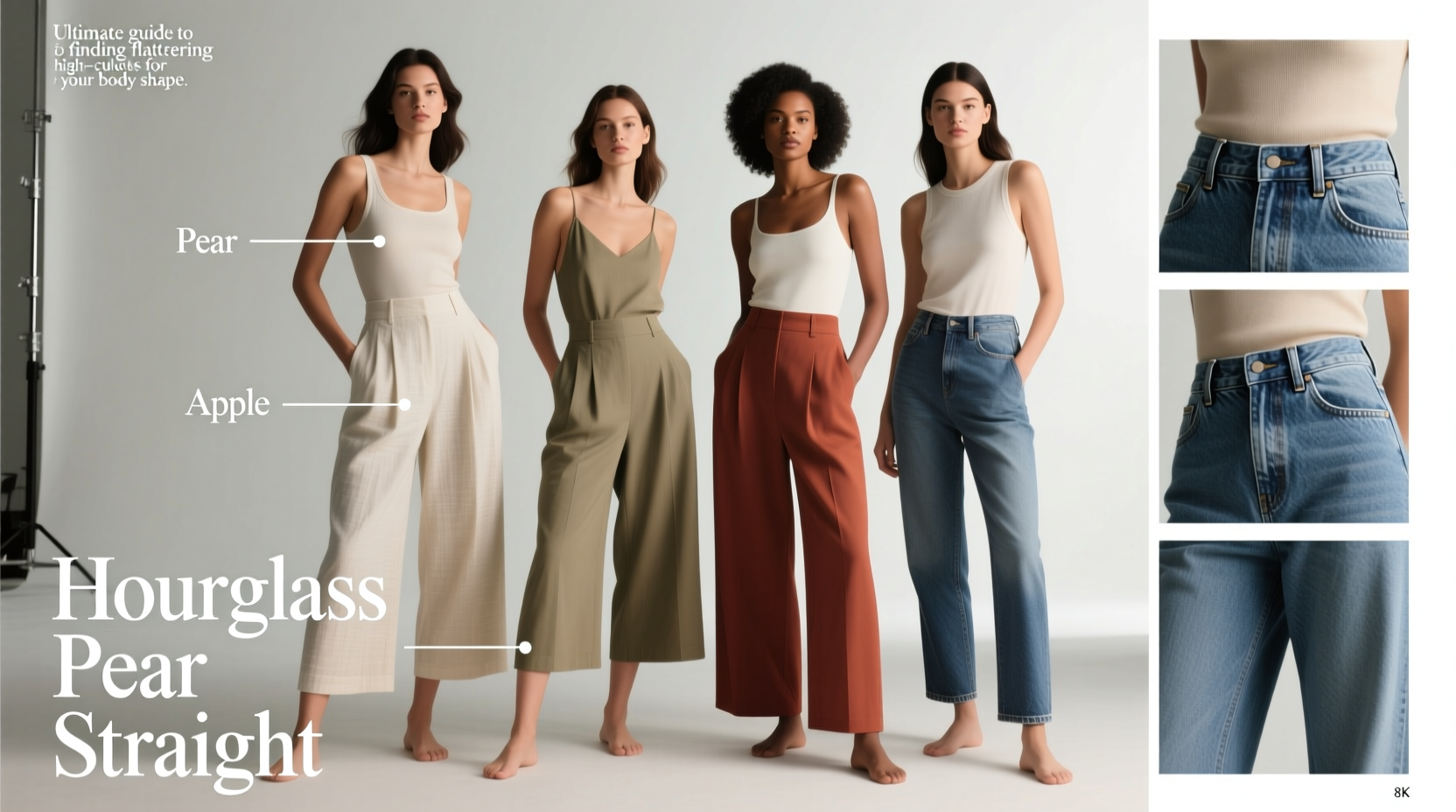
Culottes are technically shorts that extend to knee-length or just below, designed with a wide leg so they resemble a skirt when standing. The \"high waist\" variation sits at or above the natural waistline, typically between 2–4 inches above the belly button. This rise is crucial because it reshapes the torso-to-leg ratio, creating the illusion of longer legs and a more defined midsection.
Unlike low-rise styles that can add bulk around the hips, high waist culottes lift and support the core. When well-fitted, they smooth the lower abdomen and create a clean vertical line from waist to hem. However, poor fabric choice or incorrect proportions can lead to a boxy or frumpy appearance—especially if the waist hits at an unflattering point on your torso.
“High-waisted culottes work like architectural tailoring—they redefine the silhouette. The trick is matching the drape and volume to the wearer’s frame.” — Lena Torres, Fashion Stylist & Body Positivity Advocate
How Body Shape Influences Culotte Fit
Your body shape determines which cuts enhance your curves and which ones disrupt visual balance. Here’s how to identify your shape and make informed choices:
Hourglass Figure
If your bust and hips are balanced with a noticeably narrower waist, you’re likely an hourglass. High waist culottes are ideal for this shape because they emphasize the smallest part of your torso. Look for styles with a contoured waistband and slight tapering at the thigh to maintain curve definition.
Pear Shape (Triangle)
Wider hips and thighs relative to the upper body define this shape. The goal is to balance volume. Choose culottes with structured fabrics like cotton twill or linen blends that flare gently from the hip. Avoid overly baggy legs that widen the lower half further.
Apple Shape (Inverted Triangle)
Broad shoulders and a fuller midsection characterize this figure. High waist culottes help by drawing attention downward. Opt for soft, flowing fabrics like rayon or crepe that skim over the stomach rather than cling. A slightly dropped crotch can also improve comfort and reduce waistband pressure.
Rectangle (Straight) Shape
Minimal waist definition means you’ll want to create the illusion of curves. Go for culottes with faux belts, pleats, or front pockets placed vertically to simulate structure. A bold belt worn over the culottes adds waist emphasis and polish.
Petite Frame
If you’re under 5'4\", avoid excessively long culottes that can shorten your stature. Choose cropped versions that hit mid-calf or just above. Narrower leg openings and lightweight fabrics prevent overwhelming your frame. Monochrome outfits (matching top and bottom) enhance length.
Tall Frame
Taller women can carry full-volume culottes with ease. Maxi-length styles that graze the ankle are flattering and dramatic. Experiment with bold patterns or wide stripes to complement your natural height.
Fabric, Fit, and Proportion: The Hidden Rules
Beyond body shape, three factors determine whether culottes look polished or sloppy: fabric weight, leg width, and overall proportion.
| Fabric Type | Best For | Avoid If |
|---|---|---|
| Linen | Summer wear, tall/straight figures | Petite frames (can wrinkle and sag) |
| Cotton Twill | All shapes, especially pear/apple | Hot climates (less breathable) |
| Rayon Blend | Apple shapes, draping needs | Structured looks (too fluid) |
| Crepe | Formal settings, hourglass | Active days (delicate care) |
The width of the leg matters too. Extremely wide culottes suit taller women but can overwhelm shorter statures. A moderate flare—about 18–22 inches at the hem—is universally wearable. Always check the side seam: it should run straight from waist to hem without pulling or gapping.
Step-by-Step Guide to Finding Your Perfect Pair
- Determine your natural waist: Use a measuring tape to find the narrowest part of your torso. This is where the high waistband should sit.
- Assess your torso-to-leg ratio: Are your legs shorter or longer relative to your upper body? Longer legs can handle higher rises; shorter legs benefit from a slightly lower high waist (closer to the navel).
- Choose fabric based on climate and comfort: Lightweight for summer, structured for winter. Avoid stiff denim unless tailored specifically for culottes.
- Try before you buy—or measure meticulously: Check inseam length. Mid-calf (around 22\") works for most. Ankle-length (26\"+) suits taller frames.
- Move in them: Walk, sit, and climb stairs. Culottes should allow motion without riding up or restricting.
Real-Life Example: Transforming a Wardrobe Dilemma
Sophia, 34, struggled with her apple-shaped body. She loved culottes but found most made her midsection look bulky. After consulting a stylist, she switched from stiff, pleated linen pairs to soft, A-line rayon culottes with a hidden elastic back and flat front. The new fabric skimmed her curves, and the high waistband provided gentle shaping without digging in. Paired with a V-neck tunic, the outfit created a vertical line that balanced her shoulders and hips. “I finally feel put together,” she said. “It’s not about hiding my body—it’s about dressing it right.”
Styling Checklist for Maximum Flattery
- ✔️ Tuck in tops to define the waist
- ✔️ Wear heels or wedges to elongate legs (even flats with a pointed toe help)
- ✔️ Match culotte color to your shoes for seamless length
- ✔️ Avoid oversized tops that bury the waistline
- ✔️ Use a slim belt if the waistband lacks definition
- ✔️ Layer with cropped jackets or blazers ending at the waist
Frequently Asked Questions
Can I wear high waist culottes if I have a large stomach?
Yes—choose styles with a slightly higher rise and soft, non-clingy fabric. Look for front pleats or darts that create vertical lines, which draw the eye upward. Avoid low-slung waists or tight bands that cut into the abdomen.
Are culottes appropriate for work?
Absolutely. In professional settings, opt for tailored versions in neutral tones like navy, charcoal, or beige. Pair with a structured blouse or knit top. Avoid overly casual fabrics like jersey or beach linen.
What shoes go best with high waist culottes?
Ankle straps and pointed-toe flats elongate the leg. Wedges and block heels add height without sacrificing comfort. For ankle-length styles, try sandals with a heel to prevent the hem from pooling. Avoid chunky sneakers unless going for a deliberate fashion-forward contrast.
Final Thoughts: Style Is Personal, Not Prescriptive
Finding flattering high waist culottes isn’t about conforming to trends—it’s about aligning design with anatomy. When you understand how waist height, fabric, and cut interact with your shape, you gain the power to wear what you love with confidence. Don’t let one bad fit discourage you. Try different brands, explore alterations, and trust your mirror more than marketing.




 浙公网安备
33010002000092号
浙公网安备
33010002000092号 浙B2-20120091-4
Comments
No comments yet. Why don't you start the discussion?