
Vintage tweed jackets are more than just outerwear—they're heirlooms in the making. Woven with history, craftsmanship, and rugged elegance, a well-chosen piece can serve as a cornerstone of a timeless wardrobe. But not all vintage tweed is created equal. With rising demand and inconsistent availability, distinguishing a genuinely durable, high-quality jacket from a faded imitation requires knowledge, patience, and attention to detail. This guide walks you through the essential steps to source vintage tweed jackets that not only look exceptional but also endure for decades.
Understanding What Makes Tweed Timeless
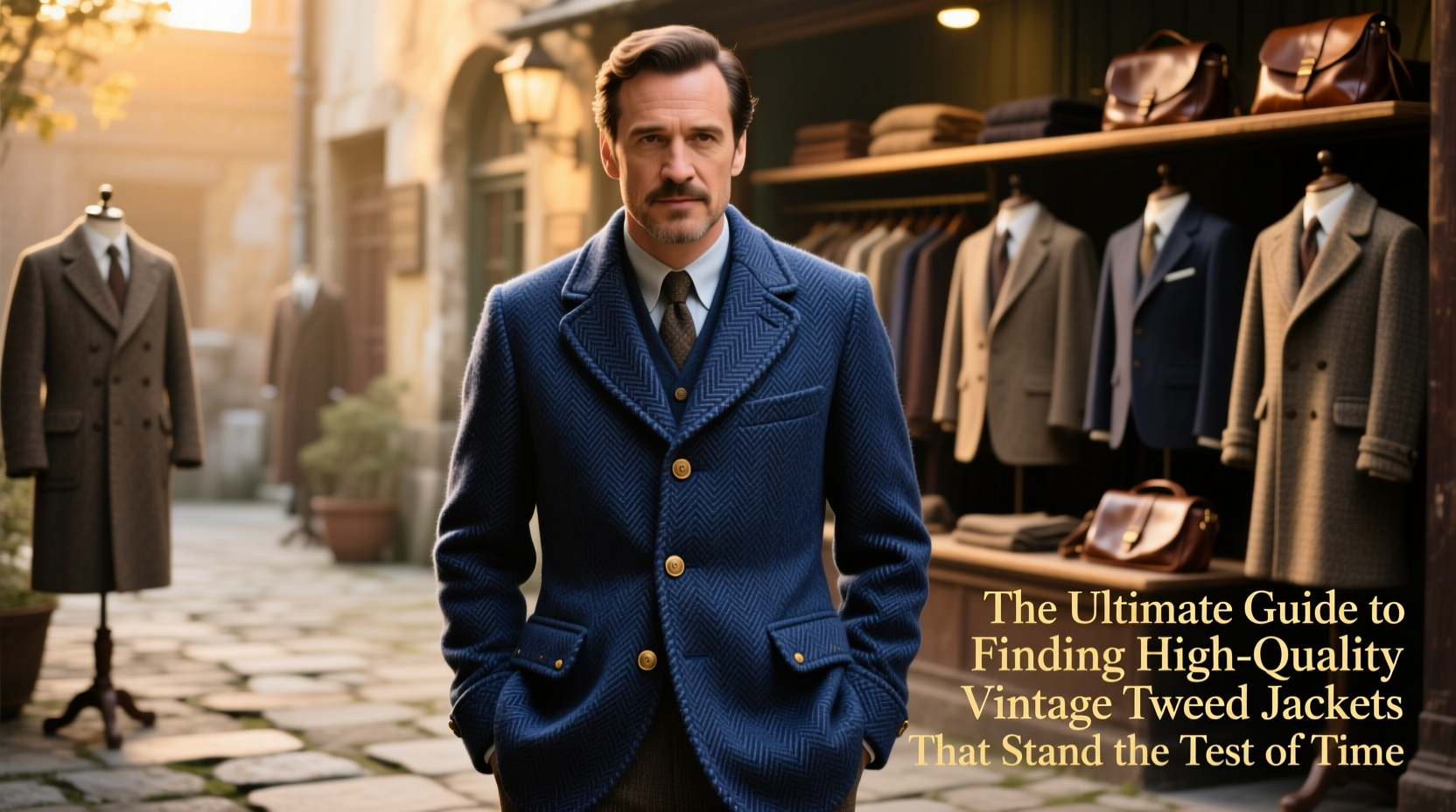
Tweed originated in rural Scotland and Ireland as a hardwearing fabric for outdoor pursuits. Traditionally made from wool, it’s woven in tight, textured patterns like herringbone, houndstooth, or check, offering natural water resistance, breathability, and insulation. The best vintage tweed comes from mills in the UK—particularly Harris, Donegal, and Yorkshire—where artisans prioritized durability over fleeting trends.
What sets high-quality vintage tweed apart is its density and finish. A close inspection reveals tightly spun yarns, consistent weave structure, and minimal pilling. Unlike modern mass-produced versions, older tweed often used higher-grade wool, sometimes blended with mohair or camel hair for added resilience. These materials age gracefully, developing a rich patina rather than disintegrating at the seams.
“Tweed isn’t meant to be perfect—it’s meant to live. The beauty is in the wear.” — James MacLeod, Textile Historian and Keeper of the Scottish Wool Archive
How to Evaluate Authenticity and Craftsmanship
Finding a genuine vintage tweed jacket means going beyond labels and aesthetics. You must assess construction, materials, and provenance. Here’s what to look for:
- Lining material: High-end vintage jackets often feature Bemberg or cupro linings—smooth, breathable, and long-lasting. Avoid polyester linings, common in later reproductions.
- Button type: Look for horn, corozo (vegetable ivory), or branded metal buttons (e.g., “Mason’s” or “John Simons”). Plastic buttons are a red flag for post-1970s production.
- Construction details: Hand-stitched lapels, canvas interlining (not fused), and pick stitching along the edges indicate superior tailoring. Check the inside chest piece—full canvas construction molds to the body over time.
- Wool mark: Jackets from the 1950s–80s may carry a Woolmark logo, indicating adherence to quality standards. Its presence adds credibility.
Sourcing Strategies: Where to Find Quality Vintage Tweed
The location and method of acquisition greatly influence quality. While online marketplaces offer convenience, physical inspection remains irreplaceable. Prioritize these sources:
- Specialty vintage boutiques: Stores focusing on menswear or heritage fashion often curate pieces with an eye for longevity. Staff may provide historical context and condition reports.
- Estate sales and auctions: Family-owned tweed jackets, especially those from military, academic, or country estates, are frequently undervalued and in excellent condition due to infrequent use.
- Thrift shops in affluent areas: These locations often receive donations from individuals with access to premium brands like Barbour, Belstaff, or Savile Row tailors.
- Online platforms with return policies: Etsy, eBay, and specialized vintage retailers like Grailed or Vintage Showroom allow returns if the item doesn’t meet expectations. Always request additional photos and measurements.
| Source | Pros | Cons |
|---|---|---|
| Estate Sales | Authentic provenance, well-cared-for items | Geographically limited, require early arrival |
| Vintage Boutiques | Curated selection, expert authentication | Higher price point |
| Online Marketplaces | Global access, wide variety | Risk of misrepresentation, shipping delays |
| Thrift Stores | Potential for underpriced gems | Inconsistent inventory, time-intensive |
A Real Example: The Cambridge Professor’s Jacket
A collector in Edinburgh once acquired a 1960s tweed jacket from a university estate sale. Labeled “Daks” with a full linen canvas and working button cuffs, it showed light wear but no structural flaws. The original owner, a retired literature professor, had worn it primarily indoors during lectures. After a gentle clean and minor lining repair, the jacket became a centerpiece in the buyer’s rotation—still worn weekly five years later. This case underscores how lifestyle use and storage impact longevity far more than age alone.
Condition Checklist Before Purchase
Before committing to a vintage tweed jacket, conduct a thorough inspection. Use this checklist to avoid costly regrets:
- Inspect for moth damage—check collars, underarms, and inner seams for tiny holes or powdery residue.
- Test button attachment—wobbly or threadbare buttons suggest neglect.
- Examine the underarms—sweat stains or thinning fabric here are common failure points.
- Check pocket linings for tears or seam separation.
- Feel the shoulders—padding should be even; sagging indicates moisture damage or poor storage.
- Verify sleeve length—vintage cuts are often shorter; ensure they can be adjusted if needed.
- Smell the fabric—musty odors may indicate mold, which weakens fibers over time.
Caring for Your Vintage Tweed Jacket
Preservation begins the moment you bring the jacket home. Proper care prevents deterioration and maintains structural integrity.
Never machine wash tweed. Instead, air it out after each wear by hanging it in a ventilated space for a few hours. For deeper cleaning, seek a specialist dry cleaner experienced with vintage wool. Spot-clean minor stains immediately with a damp cloth and mild wool-safe detergent.
Storage is critical. Use a broad-shouldered wooden hanger to maintain shape. Store in a breathable cotton garment bag—never plastic, which traps moisture. Add cedar blocks to deter moths, but avoid direct contact with the fabric.
“Rotate your tweed. Continuous wear fatigues the fibers. Let it rest for 48 hours between uses.” — Clara Finch, Heritage Garment Conservator
FAQ
Can I alter a vintage tweed jacket?
Yes, but carefully. Seek a tailor experienced in vintage tailoring. Alterations like waist suppression or sleeve shortening are possible, but excessive changes can compromise the canvas structure. Always preserve original buttons and trimmings.
How do I know if a tweed jacket is truly vintage?
Look for era-specific markers: union labels (pre-1980s), manufacturer tags with city names (e.g., “London”), and style cues like wider lapels (1970s) or structured shoulders (1980s). Absence of synthetic blends is another clue—pure wool was standard before the 1990s.
Are vintage tweed jackets worth the investment?
High-quality examples from reputable makers appreciate in value and utility. A £150 jacket from the 1970s, if well-maintained, can outperform a new £500 replica in fit, feel, and durability. The return isn’t just financial—it’s sartorial satisfaction.
Final Thoughts: Build a Legacy, One Jacket at a Time
Finding a high-quality vintage tweed jacket isn’t about chasing nostalgia—it’s about investing in clothing that respects both time and tradition. Each jacket carries stories, yes, but also the potential to become part of your own narrative. With deliberate sourcing, informed evaluation, and consistent care, you’re not just buying a garment. You’re adopting a philosophy of slow fashion, where quality triumphs over quantity and style evolves with use.




 浙公网安备
33010002000092号
浙公网安备
33010002000092号 浙B2-20120091-4
Comments
No comments yet. Why don't you start the discussion?