
Icing out a cross pendant is more than just a fashion statement—it’s an expression of identity, faith, and personal artistry. Whether you're customizing a piece for daily wear, a special event, or as a legacy gift, the process demands precision, taste, and ongoing maintenance. Done right, an iced-out cross becomes a radiant centerpiece in any jewelry collection. Done poorly, it risks looking gaudy or deteriorating quickly. This guide walks through every stage: from selecting materials and designing your layout to professional-level setting techniques and preserving brilliance over time.
Understanding Iced-Out Jewelry: What “Icing Out” Really Means
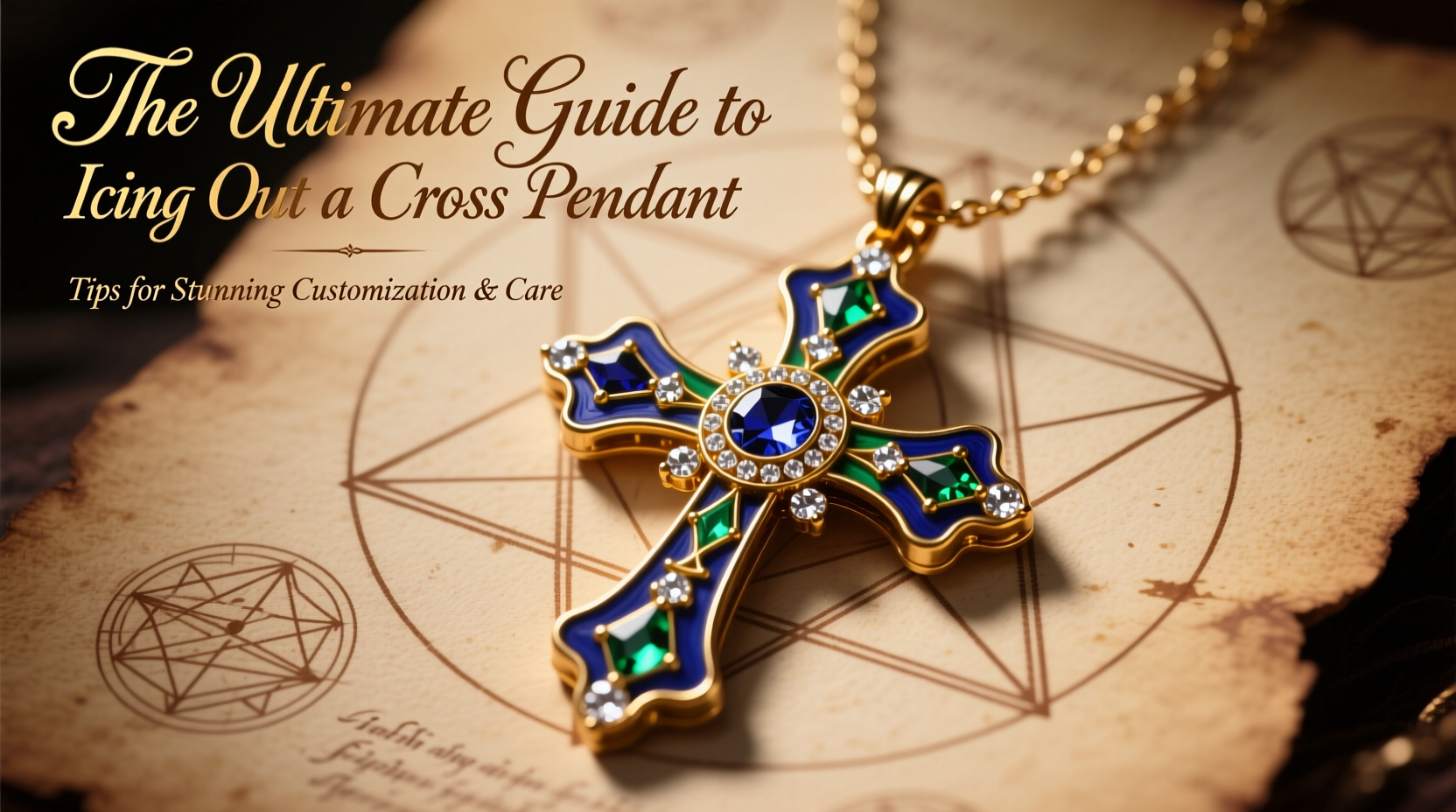
The term “icing out” refers to the process of encrusting a piece of jewelry—typically pendants, chains, or watches—with gemstones, most commonly cubic zirconia (CZ) or lab-created diamonds. In hip-hop culture and modern streetwear, this technique elevates simple designs into bold, eye-catching statements. A cross pendant, already rich in symbolism, gains added dimension when iced out—transforming from modest accessory to dazzling wearable art.
True craftsmanship lies not in how many stones you use, but in their placement, cut consistency, and overall balance. Overloading a small pendant can distort its shape and weaken structural integrity. The goal is harmony: symmetry, proportion, and sparkle that enhances, rather than overwhelms, the original design.
“An iced-out piece should feel intentional. Every stone has a purpose—not just filling space.” — Marcus Tran, Custom Jewelry Designer & Bling Specialist
Step-by-Step Guide to Customizing Your Cross Pendant
Customizing your cross isn’t just about aesthetics; it’s a technical process requiring planning and attention to detail. Follow these steps to ensure professional results:
- Choose the Base Pendant: Opt for a solid metal cross (preferably sterling silver, gold-filled, or platinum) with a smooth surface and reinforced prongs or bezels if pre-set. Avoid hollow or flimsy bases—they won’t support heavy stone work.
- Select Your Stones: Decide between cubic zirconia, moissanite, or lab-grown diamonds based on budget and desired brilliance. Use uniform cuts (round brilliant or princess) for consistent light reflection.
- Design the Layout: Sketch your pattern. Popular styles include full pavé coverage, border-only icing, or symbolic placements (e.g., larger stones at the ends of the cross arms).
- Set the Stones: For DIY, use high-grade jewelry adhesive (E6000 or Gem-Tac) and tweezers. For permanent wear, consider micro-pave or prong settings by a licensed jeweler.
- Final Polish: Clean residue with isopropyl alcohol and buff with a soft cloth to restore luster.
Material Comparison: Choosing the Right Stones and Metals
Not all bling is created equal. The longevity and appearance of your iced-out cross depend heavily on material quality. Below is a comparison to help you make informed decisions:
| Material | Brightness (Refraction) | Durability (Mohs Scale) | Average Cost | Best For |
|---|---|---|---|---|
| Cubic Zirconia (CZ) | High (close to diamond) | 8–8.5 | $–$$ | Daily wear, budget-friendly glam |
| Moissanite | Very High (more fire than diamond) | 9.25 | $$$ | Long-term investment, maximum sparkle |
| Lab-Grown Diamond | Excellent (identical to natural) | 10 | $$$$ | Premium pieces, heirloom quality |
| Crystal (Swarovski) | Moderate (precise cut enhances shine) | 7 | $$ | Fashion jewelry, short-term styling |
Pair your stones with a durable base metal. Rhodium-plated silver resists tarnish and provides a bright white backdrop that amplifies stone clarity. Gold offers warmth and prestige but requires more upkeep to prevent scratching.
Real Example: Transforming a Simple Cross into a Statement Piece
Jamal, a music producer in Atlanta, wanted a custom cross to wear during performances. He started with a 2-inch stainless steel cross—durable but plain. Working with a local jeweler, he opted for a hybrid approach: full pavé center using high-clarity CZ stones, with corner accents in marquise-cut moissanite to represent the four directions of his journey.
The jeweler used laser engraving to create micro-grooves for secure stone seating, then applied tension setting for the larger accent stones. After two weeks, the finished piece weighed slightly more but had exceptional balance and radiance under stage lights. Jamal now wears it as both spiritual symbol and signature style—a testament to thoughtful customization.
Essential Care Tips to Maintain Your Iced-Out Cross
An iced-out pendant demands regular care to retain its brilliance. Dirt, oils, and impacts can loosen stones or dull surfaces. Follow this checklist to keep your piece shining:
- Remove before swimming, showering, or exercising.
- Store separately in a soft-lined jewelry box to prevent scratches.
- Clean weekly with mild soap, warm water, and a soft toothbrush.
- Rinse thoroughly and air-dry—never towel-rub delicate settings.
- Inspect prongs or adhesive monthly for signs of wear.
- Take to a professional jeweler annually for tightening and polishing.
Do’s and Don’ts of Iced-Out Pendant Maintenance
| Do’s | Don’ts |
|---|---|
| Wipe after each wear with a microfiber cloth | Expose to chlorine or saltwater |
| Use jewelry-safe cleaning solutions | Store loosely in a purse or drawer |
| Rotate wear to reduce stress on settings | Wear during manual labor or workouts |
| Check for loose stones regularly | Apply hairspray or perfume while wearing |
Frequently Asked Questions
How long does an iced-out pendant last?
With proper care, a professionally set iced-out cross can last decades. Adhesive-only pieces may need re-stoning every 1–2 years depending on wear. Prong or bezel-set stones, especially in durable metals, often remain intact for 10+ years with annual maintenance.
Can I add more stones to an already iced-out pendant?
Yes, but only if the base structure supports additional weight. Consult a jeweler to assess metal thickness and existing stress points. Retrofitting requires precision to avoid cracking or misalignment.
Is it safe to wear an iced-out cross every day?
Yes—if it’s well-made and properly maintained. Choose scratch-resistant metals like titanium or platinum, and opt for flush settings over tall prongs to minimize snagging. Daily wear increases exposure to elements, so cleaning and inspection routines are crucial.
Final Thoughts: Elevate Your Style with Intention and Care
An iced-out cross pendant transcends trend—it becomes part of your narrative. Whether rooted in faith, cultural pride, or artistic flair, the way you customize and care for it speaks volumes. True luxury isn’t measured by carat weight or price tag, but by attention to detail and respect for the craft.
Start with a strong foundation, choose quality materials, and treat your piece as both art and heirloom. When done with intention, your iced-out cross won’t just turn heads today—it will inspire admiration for years to come.




 浙公网安备
33010002000092号
浙公网安备
33010002000092号 浙B2-20120091-4
Comments
No comments yet. Why don't you start the discussion?