
A well-crafted tailored coat is more than just outerwear—it's an investment in style, comfort, and longevity. Whether you're navigating city winters or dressing for formal occasions, the right coat elevates your entire wardrobe. But not all coats are created equal. With so many options labeled “premium” or “hand-tailored,” knowing what truly defines quality is essential. This guide breaks down the key markers of a superior tailored coat, from fabric selection to finishing details, with practical advice from tailoring professionals.
Fabric: The Foundation of Quality
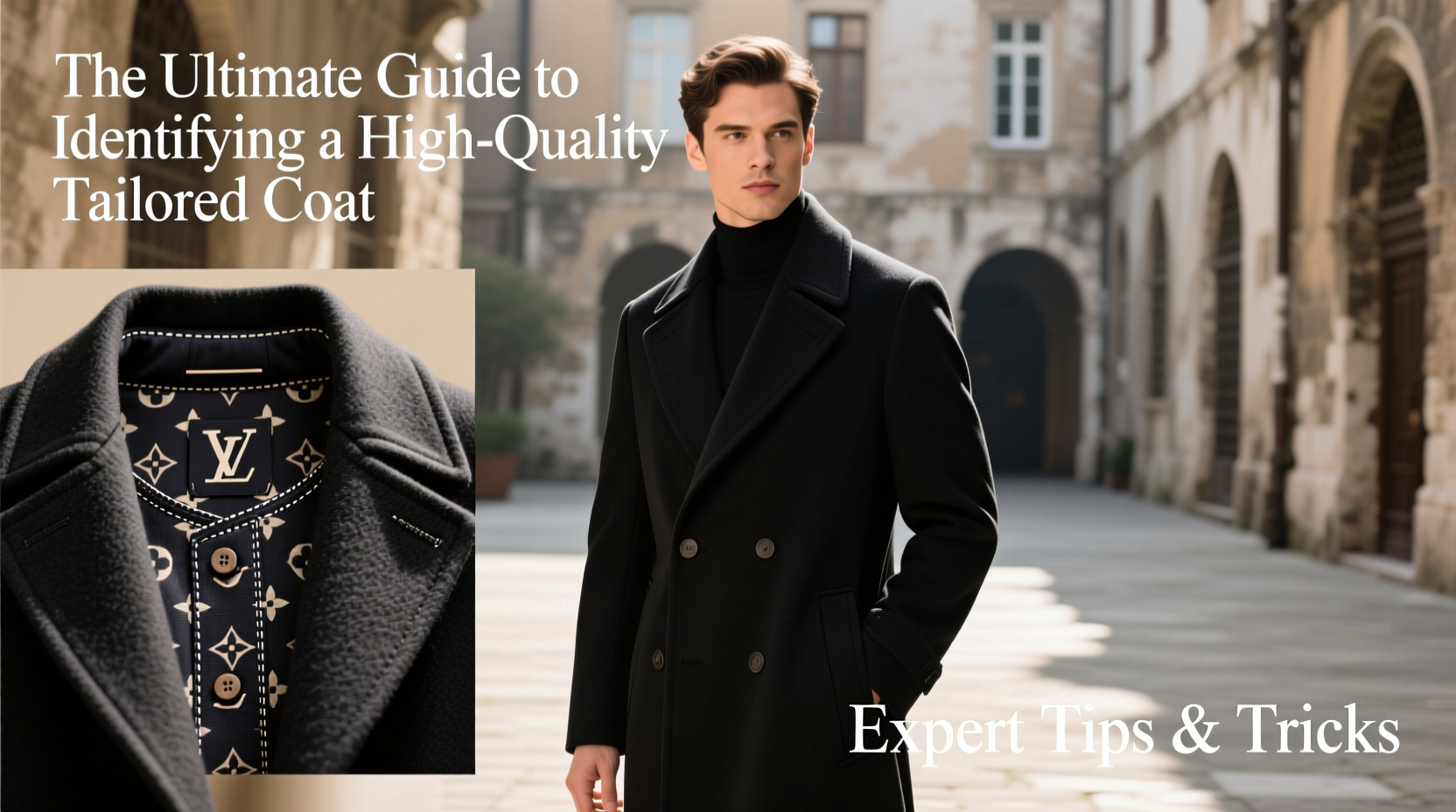
The fabric is the soul of any tailored coat. It determines durability, drape, warmth, and how the garment ages over time. High-quality coats typically use natural fibers such as wool, cashmere, or wool-silk blends. These materials breathe, resist pilling, and develop a rich patina with age.
Wool remains the gold standard. Look for terms like \"super 100s–150s\" on labels—this indicates fiber fineness, with higher numbers signifying softer, finer yarns. However, beyond the number, consider the weave. A tightly woven twill or covert offers better wind resistance and structure than loosely knit fabrics.
Avoid synthetic blends unless they serve a functional purpose (e.g., added stretch). Coats made primarily from polyester may look sharp initially but lack breathability and tend to degrade faster under UV exposure.
Construction: What Lies Beneath the Surface
The true test of a tailored coat isn’t how it looks from the outside—it’s what’s inside. Premium coats feature full or half-canvassing, where layers of canvas (often horsehair or linen) are hand-stitched between the outer fabric and lining. This allows the coat to mold naturally to the wearer’s body over time, creating a personalized fit that improves with wear.
In contrast, fused construction uses heat-glued interlinings. While cheaper to produce, these often bubble or stiffen after repeated dry cleaning and fail to drape elegantly.
“Canvassing is the skeleton of a great coat. Without it, you’re just wearing a jacket-shaped shell.” — Daniel Reeves, Master Tailor, Savile Row Atelier
Check the chest area: press it gently. A canvassed coat will feel soft and responsive; a fused one feels flat and board-like. Also, examine the shoulder construction. Soft, roped shoulders—achieved through hand-padding—allow natural movement and enhance silhouette.
Key Construction Features to Inspect
| Feature | High-Quality Sign | Poor-Quality Indicator |
|---|---|---|
| Canvas | Full or half-canvassed, hand-stitched | Fused interlining, no give |
| Shoulders | Roped, slightly padded, flexible | Stiff, squared, unyielding |
| Lining | Bemberg or silk, fully lined with sleeve ease | Polyester, tight sleeves |
| Button Attachment | Thread shank allowing space | Flat, no gap behind button |
| Hem Allowance | 2–3 inches for future alterations | Minimal or none |
Fit and Proportion: Beyond Size Labels
A perfect fit transcends numerical sizing. Shoulder seams should align precisely with the edge of your shoulders. The collar must lie flat against the neck without gapping—a common flaw in poorly tailored coats.
Sleeve length is critical. When standing naturally, the cuff should cover about 1/2 inch of your shirt sleeve. Too short exposes the wrist; too long restricts movement and looks sloppy.
The coat should close comfortably without strain. If the front edges pull or gap, the cut may be off or the size incorrect. For double-breasted styles, ensure both rows can fasten without distortion.
Tailors often emphasize balance: the length should complement your torso. A general rule is that the hem should fall at or just below the knee for maximum coverage and proportion, especially in longer overcoats.
Step-by-Step Guide: How to Evaluate a Coat In-Store or Online
Whether shopping in person or browsing online, follow this sequence to assess quality accurately:
- Inspect the label: Identify fabric content. Prioritize natural fibers with minimal synthetics.
- Feel the weight and drape: A quality coat has heft but moves fluidly. Drape it over your arm to see how it falls.
- Check the interior: Turn back the lapel to look for canvas. Look for clean stitching and a structured chest piece.
- Examine the buttons: They should have a thread shank, allowing the front panel to curve naturally when fastened.
- Test the sleeves: Slide your hand into the lining. It should glide easily, indicating proper sleeve head construction and room for layering.
- Assess the finish: Look for even stitching, clean seam allowances, and blind-hemmed edges. Loose threads or uneven hems signal rushed production.
When buying online, request detailed photos of the interior and ask about canvassing. Reputable brands will disclose this information upfront.
Real Example: James’ Upgrade from Off-the-Rack to Bespoke
James, a financial analyst in Chicago, owned several mid-range wool coats. Each lasted two to three seasons before sagging at the shoulders or developing shiny patches. After investing in a half-canvassed, Italian-milled wool coat from a local tailor, he noticed immediate differences. The coat held its shape after months of daily use, required less frequent cleaning, and received consistent compliments. More importantly, it was altered slightly after six months to accommodate a change in his posture from improved ergonomics at work—something impossible with fused garments.
“I didn’t realize how much a coat could adapt to me,” James said. “It’s not just clothing—it feels like armor.”
Care and Longevity: Preserving Your Investment
Even the finest coat will deteriorate without proper care. Store it on a wide, padded hanger to maintain shoulder shape. Avoid wire hangers—they distort the structure over time.
Brush the fabric weekly with a clothes brush to remove dust and prevent pilling. Air it out after wearing instead of dry-cleaning unnecessarily. Most tailored coats only need professional cleaning once or twice a season.
Rotate coats during heavy-use periods to allow fibers to recover. And always unbutton before sitting—this reduces stress on buttons and seams.
“The best coat in the world will fail if treated like fast fashion. Respect it, and it will last decades.” — Clara Mendez, Textile Conservator
FAQ
How can I tell if a coat is canvassed without cutting it open?
Lift the lapel and press the chest area with your fingers. A canvassed coat will feel layered and springy. You may also notice a slight ripple along the roll line—the natural fold where the lapel meets the chest—as a sign of hand craftsmanship.
Is handmade always better than machine-made?
Not necessarily. Many high-end manufacturers use precision machines for certain stages while reserving handwork for critical areas like canvassing, buttonholes, and hemming. The blend of hand and machine often delivers optimal consistency and durability.
What’s the ideal thickness for a winter tailored coat?
For cold climates, aim for a fabric weight between 18 and 24 ounces per yard. Lighter weights (12–16 oz) suit milder winters or layering over suits. Heavier cloths offer more insulation and structure but may limit mobility if overly thick.
Final Checklist: Is This Coat Worth the Investment?
- ✔ Fabric is 100% wool or premium blend
- ✔ Features full or half-canvassing (not fused)
- ✔ Shoulders are softly roped, not rigid
- ✔ Lining is breathable (Bemberg or silk)
- ✔ Buttons have thread shanks
- ✔ Hem and sleeves allow for future alterations
- ✔ Stitches are even, dense, and secure
- ✔ Fits cleanly across chest, shoulders, and back without pulling
Conclusion
Identifying a high-quality tailored coat comes down to attention to detail—both visible and hidden. From the resilience of the fabric to the integrity of internal construction, every element contributes to performance and longevity. Armed with these insights, you can move past marketing claims and make informed decisions that stand the test of time. A truly exceptional coat doesn’t just protect you from the elements—it becomes a signature part of your presence.




 浙公网安备
33010002000092号
浙公网安备
33010002000092号 浙B2-20120091-4
Comments
No comments yet. Why don't you start the discussion?