
Clover bracelets have long symbolized luck, renewal, and timeless elegance. From delicate 14k gold chains adorned with a single four-leaf clover charm to intricately handcrafted artisan designs, these accessories are more than just fashion statements—they’re heirloom-worthy investments. But not all clover bracelets are created equal. With a market flooded by mass-produced imitations and misleading claims, distinguishing true craftsmanship from superficial appeal is essential. This guide equips you with the knowledge to identify high-quality clover bracelets through material integrity, design precision, and artisan expertise.
Understanding What Defines Quality in Clover Bracelets
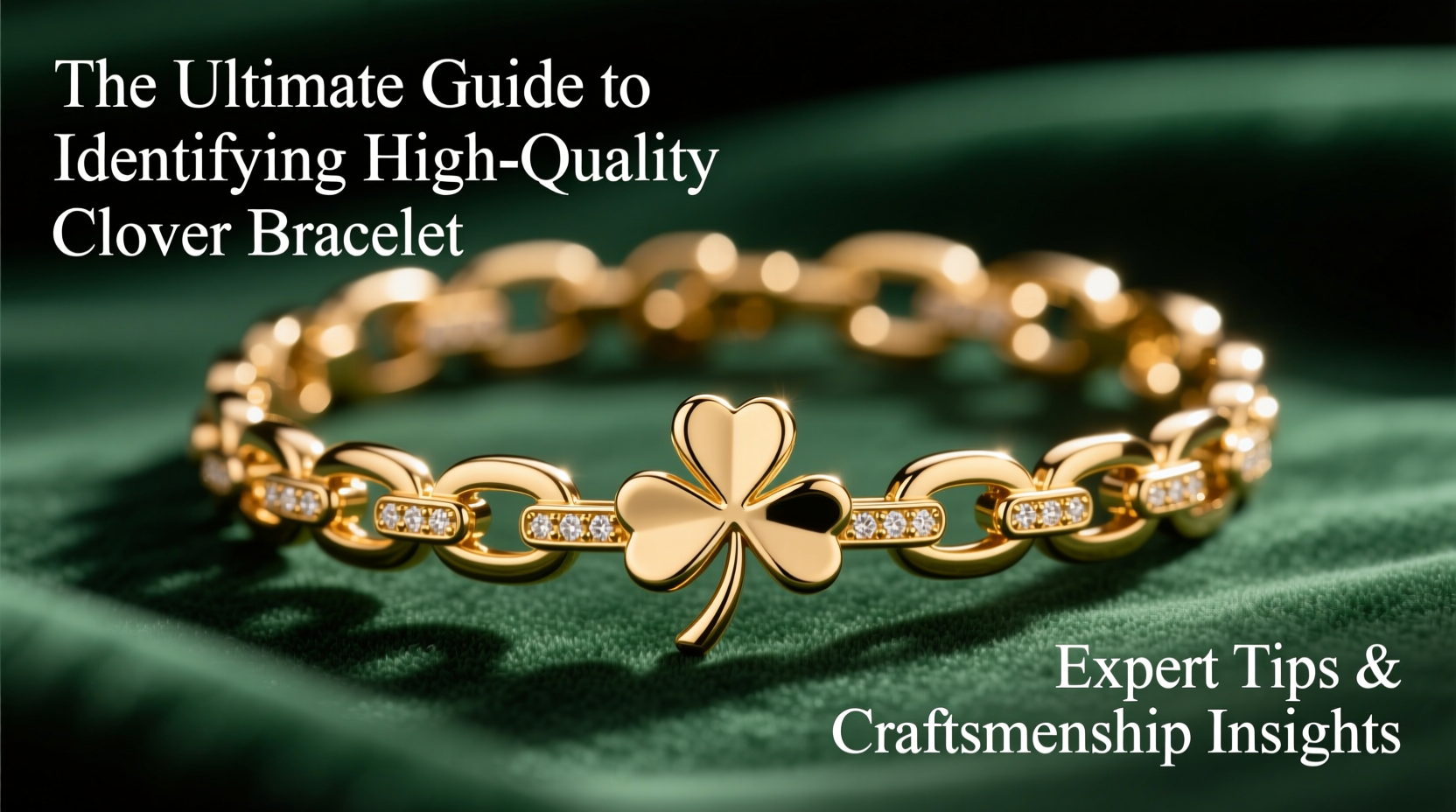
Quality in jewelry isn’t determined by price alone—it’s rooted in material purity, structural durability, and attention to detail. A well-made clover bracelet should feel substantial without being heavy, exhibit consistent finishes, and maintain its form over time. The hallmark of excellence lies in three core components: metal composition, clasp security, and charm articulation.
Precious metals like 14k or 18k gold, sterling silver, or platinum provide both value and longevity. These materials resist tarnishing and offer hypoallergenic benefits. In contrast, base metals plated with a thin layer of gold may flake or discolor within months, revealing their inferior construction.
The Role of Craftsmanship in Design Integrity
A masterfully crafted clover charm will feature symmetrical leaf shaping, smooth edges, and refined detailing. Each petal should be evenly spaced and proportionally balanced. Look closely at how the clover connects to the chain: Is it seamlessly integrated, or does it appear glued or loosely attached?
High-end artisans often use techniques like lost-wax casting or hand-engraving to achieve depth and dimension. These methods allow for intricate textures—such as veining on leaves or milgrain borders—that cannot be replicated through machine stamping.
“True luxury in clover jewelry isn’t flashy—it’s felt in the subtlety of the curve, the weight of the metal, and the silence of a perfectly closing clasp.” — Lena Moreau, Master Goldsmith & Jewelry Appraiser
Key Materials and Their Impact on Value
The choice of material directly affects both aesthetic appeal and long-term performance. Below is a comparison of common metals used in clover bracelets, highlighting pros, cons, and ideal care practices.
| Metal Type | Purity Mark | Durability | Tarnish Resistance | Ideal For |
|---|---|---|---|---|
| 14k Yellow Gold | 14K or 585 | High (resists scratches) | Excellent | Daily wear, heirlooms |
| Sterling Silver | 925 | Moderate (softens over time) | Fair (tarnishes with exposure) | Statement pieces, seasonal wear |
| 18k White Gold | 18K or 750 | Medium (softer than 14k) | Good (requires rhodium plating) | Special occasions, gifting |
| Rose Gold (14k) | 14K | High | Excellent | Vintage-inspired styles |
| Gold-Plated Brass | No stamp or GP | Low (wears off quickly) | Poor | Fashion trends, short-term use |
Note that while higher karat gold offers richer color, it is softer and more prone to dents. For everyday wear, 14k strikes the optimal balance between luster and resilience.
Step-by-Step Guide to Evaluating a Clover Bracelet
When assessing a clover bracelet—whether shopping online or in-store—follow this systematic evaluation process to ensure authenticity and quality:
- Inspect the Hallmarks: Use a jeweler’s loupe or magnifying glass to locate stamps on the clasp or jump ring. Authentic pieces will bear metal purity marks and sometimes a maker’s mark.
- Examine the Chain: Run your fingers along the links. High-quality chains have uniform sizing, smooth joins, and no sharp edges. Box, cable, or figaro chains are commonly used for durability.
- Test the Clasp: Open and close the lobster or spring ring clasp multiple times. It should snap securely without excessive force and show no signs of warping.
- Analyze the Charm: Hold the clover under light. Look for crisp definition in the leaves, absence of mold lines, and even polish. Hand-finished pieces may show subtle tool marks—a sign of authenticity, not flaw.
- Weigh the Piece: Compare its heft to similar models. Genuine precious metal feels denser than lightweight alloys or hollow constructions.
- Check for Solder Joints: Poorly fused connections between the charm and chain indicate rushed assembly. Quality work shows clean, polished joints.
Common Red Flags to Avoid
Even seemingly flawless bracelets can hide critical flaws. Watch for these warning signs:
- Unrealistic pricing: A “solid 14k gold” clover bracelet priced under $100 is almost certainly fraudulent.
- Vague descriptions: Terms like “gold finish” or “luxury look” instead of “14k gold” suggest deception.
- Missing certifications: Reputable sellers provide third-party assay reports for high-value items.
- Cloudy gemstones: If the clover includes diamonds or birthstones, they should sparkle clearly. Cloudiness indicates low-grade stones.
- Overly thick plating: Some vendors advertise “heavy gold electroplate,” which still wears off—just slower.
Mini Case Study: Identifying a Counterfeit Online Listing
Sophia was drawn to an online listing advertising a “handmade 18k gold clover bracelet with natural diamond accents” for $199. The photos looked convincing, but upon closer inspection, several red flags emerged. The product description lacked a hallmark reference, used stock images, and included customer reviews praising the “great deal”—a common tactic in counterfeit sales.
She requested a high-resolution image of the clasp. In the zoomed-in photo, she noticed faint mold seams across the clover leaves—indicative of cheap die-casting—and no visible stamp. A quick message to the seller went unanswered. Sophia reported the listing and avoided a scam. Her diligence saved her not only money but potential disappointment.
Expert Checklist for Buying with Confidence
Before purchasing any clover bracelet, verify the following:
- ✅ Metal Purity Verified
- Hallmark present and matches description (e.g., “14K”)
- ✅ Secure, Functional Clasp
- Lobster or spring ring operates smoothly and holds firm
- ✅ Uniform Chain Construction
- Links are consistent in size and finish
- ✅ Detailed, Symmetrical Charm
- Leaves are evenly shaped with clean edges
- ✅ Reputable Seller
- Clear return policy, verifiable business address, positive independent reviews
- ✅ Certification Available (if applicable)
- For pieces with diamonds or high gold content, ask for GIA or assay documentation
Frequently Asked Questions
How can I tell if a clover bracelet is solid gold or just plated?
Solid gold will have a consistent color throughout, including inside the clasp and chain links. Plated items often reveal a different metal beneath scratches. Additionally, solid gold is heavier and bears a karat stamp. A professional acid test or XRF analysis at a jeweler can confirm definitively.
Are handmade clover bracelets always better than machine-made ones?
Not necessarily—but they often are. Handmade pieces typically involve greater attention to detail, unique design elements, and superior finishing. However, some high-end manufacturers use precision machinery combined with hand-polishing to achieve excellent results. The key is craftsmanship, not production method alone.
What should I do if my clover bracelet tarnishes?
If made of sterling silver, tarnishing is normal due to sulfur exposure. Clean gently with a microfiber polishing cloth or a mild baking soda solution. Avoid abrasive cleaners. For gold pieces, discoloration suggests contamination or plating failure—consult a jeweler immediately.
Final Thoughts: Wear Meaning, Not Just Metal
A high-quality clover bracelet carries more than monetary worth—it embodies intention, heritage, and personal significance. Whether chosen as a gift, a self-reward, or a token of hope, its value multiplies when built to last. By learning to recognize authentic craftsmanship, you invest not just in beauty, but in enduring quality.




 浙公网安备
33010002000092号
浙公网安备
33010002000092号 浙B2-20120091-4
Comments
No comments yet. Why don't you start the discussion?