
Sleep is one of life’s most essential rituals, and the quality of your bedding plays a crucial role in how restful that sleep can be. Among the most intimate components of your bed are your pillowcases—especially plush ones made from materials like silk, satin, bamboo, or high-thread-count cotton. These fabrics offer luxurious softness and skin-friendly benefits, but they require thoughtful care to maintain their texture, sheen, and durability over time. Without proper maintenance, even the most premium pillowcase can lose its luster, develop pilling, or degrade prematurely. This guide delivers actionable, science-backed methods to preserve the plush feel and longevity of your pillowcases through every season.
Understanding Your Pillowcase Material
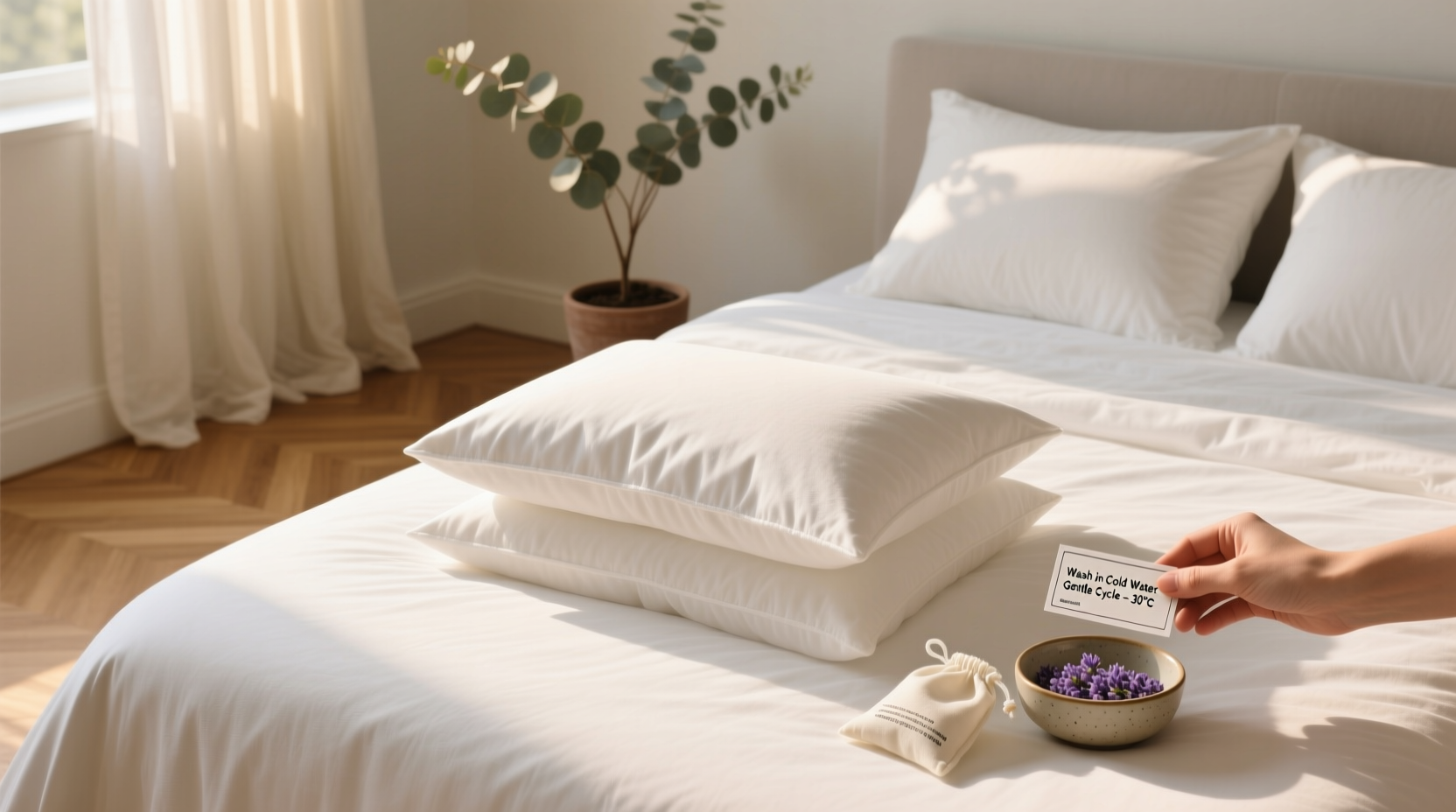
Not all plush pillowcases are created equal. The fabric determines not only how it feels against your skin but also how you should care for it. Common materials include:
- Silk: Naturally hypoallergenic, temperature-regulating, and gentle on hair and skin. Requires delicate handling and cold-water washing.
- Satin: Often made from polyester or nylon, offering a silky sheen at a lower price. More durable than silk but prone to static and heat retention.
- Bamboo viscose: Soft, breathable, and eco-friendly. Resists odor and bacteria but may shrink if washed improperly.
- Pima or Egyptian cotton: High-thread-count cotton varieties known for buttery softness and strength. Can withstand regular laundering but benefit from gentle cycles.
Choosing the right care method starts with identifying your fabric. Always check the manufacturer’s label before cleaning. Using the wrong technique—like hot water on silk—can lead to irreversible damage.
The Right Way to Wash Plush Pillowcases
Washing is where most people unknowingly compromise the lifespan of their pillowcases. Aggressive detergents, high heat, and rough agitation strip away natural fibers and weaken fabric integrity. Follow this step-by-step process to wash without sacrificing softness:
- Pre-treat stains gently: Use a drop of enzyme-based stain remover on makeup, oil, or sweat marks. Avoid bleach or alcohol-based cleaners.
- Turn pillowcases inside out: This protects the outer surface from friction and preserves the finish.
- Use a mild, pH-balanced detergent: Harsh chemicals break down delicate fibers. Opt for formulas labeled “for delicates” or “silk-safe.”
- Select cold water and a gentle cycle: Hot water causes shrinkage and fiber degradation, especially in protein-based fabrics like silk.
- Wash with similar items only: Never mix with towels, zippers, or rough fabrics that can cause pilling.
- Avoid fabric softeners: They coat fibers with residue that dulls softness and reduces breathability over time.
For silk and bamboo, hand-washing remains the gold standard. Fill a basin with cool water and a teaspoon of gentle detergent. Soak for 3–5 minutes, then rinse thoroughly. Press out excess water—never wring.
Drying and Ironing Without Damage
Improper drying is a leading cause of stiffness and shrinkage. Tumble drying, even on low heat, can degrade sensitive fibers. Instead, air-dry flat on a clean towel away from direct sunlight, which can fade colors and weaken threads.
| Fabric Type | Best Drying Method | Ironing Temperature | Avoid |
|---|---|---|---|
| Silk | Air-dry flat | Low (cool iron) | Tumble drying, steam directly on fabric |
| Satin (polyester) | Line dry or lay flat | Medium | High heat, direct sun drying |
| Bamboo | Air-dry flat | Medium | Wringing, dryer sheets |
| Cotton (Pima/Egyptian) | Tumble dry low or air-dry | High (if needed) | Over-drying, high heat |
If ironing is necessary, use a pressing cloth between the iron and fabric to prevent shine or scorching. Steaming is often safer, especially for silk and satin, as it relaxes wrinkles without direct contact.
“Delicate fabrics like silk and bamboo respond best to consistent, low-impact care. It’s not about frequency—it’s about gentleness.” — Dr. Lena Torres, Textile Scientist & Home Care Consultant
Storage Solutions to Preserve Softness
How you store your pillowcases between uses matters more than many realize. Exposure to light, moisture, and pressure can degrade fibers even when not in use.
Store clean, completely dry pillowcases in a cool, dark drawer or linen closet. Avoid plastic bins, which trap moisture and encourage mildew. Instead, use breathable cotton storage bags or acid-free tissue paper to cushion folds and prevent creasing.
Never fold silk or satin sharply; roll them loosely instead to minimize permanent creases. For long-term storage, avoid attics or basements where humidity fluctuates.
Maintaining Softness: A Weekly Care Checklist
Consistency beats intensity when it comes to fabric care. Implement this simple weekly routine to extend the life and comfort of your plush pillowcases:
- ✅ Change pillowcases every 3–4 days to prevent oil, sweat, and bacteria buildup.
- ✅ Inspect for snags or loose threads and repair immediately with a fine needle.
- ✅ Rotate between multiple sets to reduce wear on any single case.
- ✅ Wash using cold water and a gentle cycle or by hand.
- ✅ Air-dry flat, away from direct sunlight.
- ✅ Store in a breathable container, free from dust and moisture.
Real-Life Example: How Sarah Extended Her Silk Pillowcases’ Life by 3 Years
Sarah, a dermatology nurse from Portland, invested in two high-end mulberry silk pillowcases to help manage her curly, frizzy hair and sensitive skin. Initially, she washed them monthly with her regular detergent on a warm cycle. Within six months, the fabric dulled, developed small pulls, and lost its smooth glide.
After consulting a textile care specialist, she changed her routine: switching to a silk-safe detergent, hand-washing in cool water, and air-drying flat. She began storing them rolled in a cotton pouch with a cedar block. Three years later, the pillowcases still feel luxuriously soft and show minimal signs of wear. “It takes five extra minutes,” she says, “but my hair is smoother, my skin less irritated, and I’ve saved money by not replacing them.”
Frequently Asked Questions
How often should I replace my plush pillowcases?
With proper care, high-quality silk or bamboo pillowcases can last 2–4 years. Cotton versions may last longer but begin to thin after 18–24 months of regular use. Replace when you notice persistent pilling, thinning, or loss of softness despite correct washing.
Can I use essential oils in the wash for fragrance?
It’s not recommended. Essential oils can leave oily residues that attract dirt and may react with fibers over time. If you want a scent, add a few drops to a wool dryer ball during drying—or use a linen spray on your pillows, not the fabric itself.
Are silk pillowcases worth the investment?
For those with curly hair, sensitive skin, or nighttime skincare routines, yes. Silk reduces friction, retains moisture, and resists allergens. With proper maintenance, the long-term value outweighs the initial cost.
Protect Your Sleep, Protect Your Pillowcases
Your pillowcase is more than just bedding—it’s a daily interface between your body and your environment. By treating plush fabrics with the care they deserve, you preserve not only their softness but also their functional benefits: healthier hair, clearer skin, and deeper sleep. Small habits—like washing in cold water, avoiding harsh detergents, and storing properly—compound into years of luxurious comfort. Start today by auditing your current routine and making one sustainable change. Your future self, resting on a perfectly preserved pillowcase, will thank you.




 浙公网安备
33010002000092号
浙公网安备
33010002000092号 浙B2-20120091-4
Comments
No comments yet. Why don't you start the discussion?