
Creating your own ink is more than a craft—it’s a reconnection with history, sustainability, and personal expression. From ancient scribes using soot and plant dyes to modern calligraphers experimenting with walnut husks and iron gall, handmade inks offer depth, character, and a unique story behind every stroke. Whether you're a writer, artist, or DIY enthusiast, learning how to make your own ink opens up a world of color, texture, and control unmatched by commercial products.
Homemade inks are environmentally friendly, customizable, and often made from kitchen scraps or garden finds. With just a few tools and some patience, you can produce rich blacks, deep browns, and even subtle blues and purples—all without synthetic chemicals. This guide walks you through time-tested methods, essential ingredients, safety considerations, and practical applications to help you create inks that perform beautifully on paper and age gracefully over time.
The Basics: How Ink Works
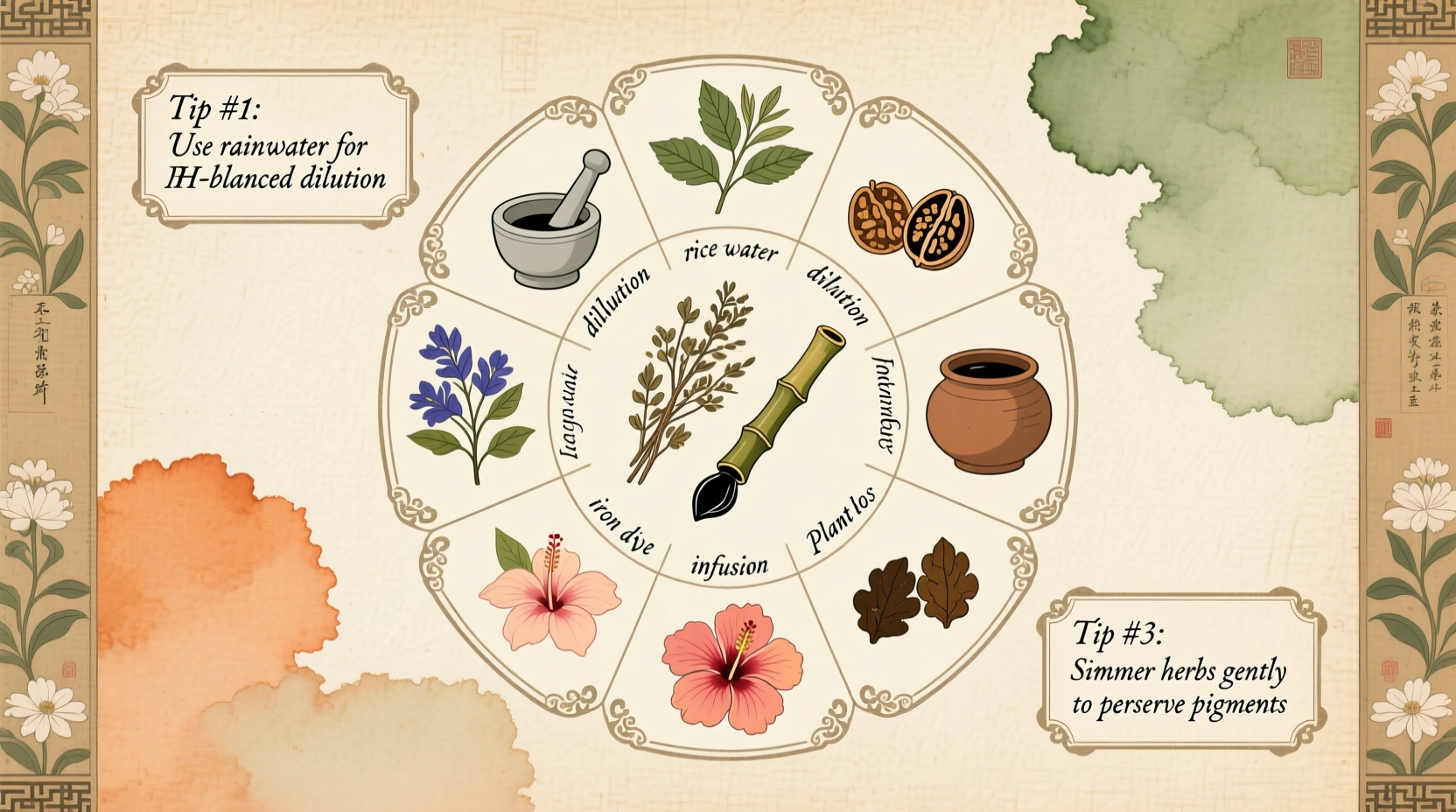
Ink is fundamentally composed of three elements: pigment or dye (color), a binder (to adhere the color to the surface), and a vehicle (liquid carrier). In historical and natural ink-making, these components come from organic sources. For example, tannins from oak galls act as both pigment and chemical reactant, while gum arabic serves as a binder, and rainwater or vinegar functions as the solvent.
Understanding this foundation allows you to experiment confidently. Change the ratio of ingredients, substitute binders, or alter pH levels to shift hue and permanence. However, balance is crucial—too much pigment can clog nibs; too little binder leads to flaking or fading.
Natural Ingredients You Can Use
The beauty of natural ink lies in accessibility. Many effective pigments grow in backyards, forests, or even appear as seasonal waste. Below are some of the most reliable sources:
- Walnut Husks: Produce deep brown ink with excellent lightfastness. High in tannins, they react well with iron additives.
- Iron Gall: Made from oak galls (growths on trees caused by wasps), combined with iron sulfate and gum arabic. Yields a permanent black that darkens over time.
- Carbon/Charcoal: Burned wood, bone, or grapevines create pure black pigment. Ideal for sumi-e style inks.
- Onion Skins: Simmered to release golden-orange hues. Best when paired with alum as a mordant.
- Avocado Pits: Boiled to yield soft pinks and peaches. Color fades unless fixed properly.
- Blackberries and Elderberries: Provide vibrant purples and reds but are prone to mold and fading without preservatives.
“Natural inks connect us to place and season. The same recipe made in spring versus autumn can yield different tones based on plant maturity.” — Dr. Lila Chen, Ethnobotanist & Natural Dyer
Step-by-Step Guide to Making Iron Gall Ink
One of the most durable and historically significant inks, iron gall has been used since the Middle Ages for manuscripts and legal documents. When properly prepared, it resists fading and water damage. However, improper ratios can cause corrosion over time—especially on metal nibs.
- Gather 50 grams of crushed oak galls (available online or from specialty suppliers).
- Place them in a glass jar and cover with 500 ml of distilled white vinegar or rainwater.
- Seal and let steep for two weeks, shaking daily.
- Strain the liquid through cheesecloth into a clean container.
- Dissolve 5 grams of ferrous sulfate (iron vitriol) into the liquid, stirring until fully mixed.
- Add 10–15 grams of gum arabic to improve flow and adhesion.
- Bottle and store in a cool, dark place. Age for at least one week before use.
Do’s and Don’ts of Homemade Ink Making
| Do | Don’t |
|---|---|
| Use glass or ceramic containers for brewing and storage | Store ink in metal containers (can cause reactions) |
| Wear gloves when handling iron sulfate or strong acids | Touch raw pigments or chemicals with bare hands |
| Label all bottles clearly with contents and date | Mix unknown ingredients without research |
| Test ink on scrap paper before using on important work | Assume all natural inks are archival or waterproof |
| Keep inks away from sunlight and heat to prevent degradation | Leave ink bottles unsealed or in humid environments |
Real Example: Reviving an Old Family Journal
Sophie, a book conservator in Vermont, was tasked with repairing her great-grandmother’s diary. The original entries were written in faded iron gall ink, and she wanted to restore marginal notes using a matching formula. She collected oak galls from a nearby white oak, followed the two-week fermentation process, and adjusted the gum arabic content to match the fluidity of early 20th-century writing inks.
After testing on archival paper, she carefully added annotations that blended seamlessly with the original text. “The goal wasn’t to replicate perfectly,” she said, “but to honor the material integrity of the document. Using homemade ink made the restoration feel authentic.” Her project now serves as a case study in ethical conservation practices at her local historical society.
Tips for Stability, Flow, and Longevity
Even the most beautiful ink fails if it doesn’t write smoothly or deteriorates quickly. These tips ensure your creations perform as well as they look:
- Adjust viscosity: If ink is too thick, add small amounts of distilled water. Too thin? Increase gum arabic gradually.
- Prevent sedimentation: Shake bottles before each use, especially with plant-based pigments that settle.
- Improve shelf life: Refrigerate berry inks and use within 3 months. Add natural preservatives like benzoin resin for longer storage.
- Avoid nib corrosion: Rinse pens thoroughly after using iron-based inks. Never leave them soaking overnight.
- Enhance color fastness: Mordants like alum or copperas can lock in dyes from flowers and roots.
Frequently Asked Questions
Can I make waterproof ink at home?
Yes, but only certain types. Iron gall ink becomes water-resistant as it oxidizes and binds to paper fibers. Carbon-based inks (like lampblack) are also naturally waterproof. Most plant-dye inks will bleed when wet unless treated with a fixative or used on sized paper.
Is homemade ink safe for fountain pens?
Some are, but with caution. Fine particles in berry or bark inks can clog delicate mechanisms. Always filter thoroughly through coffee filters or fine mesh. Avoid iron gall in vintage or valuable pens due to its corrosive nature. Test on inexpensive pens first.
How long does homemade ink last?
Shelf life varies. Iron gall and carbon inks can last decades when stored properly. Berry inks last 3–6 months refrigerated. Always check for mold, odor, or separation before use. Discard if any appear.
Final Checklist: Your Ink-Making Success Plan
- Choose your pigment source (e.g., galls, berries, charcoal).
- Gather supplies: glass jars, funnel, strainer, gloves, labels.
- Prepare the base liquid (vinegar, water, or alcohol).
- Extract color through simmering or fermentation.
- Add binder (gum arabic recommended) and preservative if needed.
- Filter and bottle in amber glass to block UV light.
- Label with ingredients, date, and warnings (e.g., \"contains iron\").
- Test on paper and adjust consistency or color as needed.
Conclusion: Write Your Own Legacy
Making your own ink isn’t just about saving money or avoiding chemicals—it’s about reclaiming agency over the tools of expression. Every batch carries the scent of earth, the patience of fermentation, and the pride of craftsmanship. Whether you’re journaling, illustrating, or preserving family stories, your handmade ink becomes part of the narrative.




 浙公网安备
33010002000092号
浙公网安备
33010002000092号 浙B2-20120091-4
Comments
No comments yet. Why don't you start the discussion?