
Moving is one of life’s most stressful events—even more so for cats, who thrive on routine and familiarity. A sudden change in environment can trigger anxiety, fear-based behaviors, or even health issues. But with thoughtful planning and a calm approach, you can help your cat adapt to their new home smoothly and confidently. This guide provides actionable strategies to minimize stress, maintain safety, and support your cat through every stage of the move.
Understanding Your Cat’s Stress Response
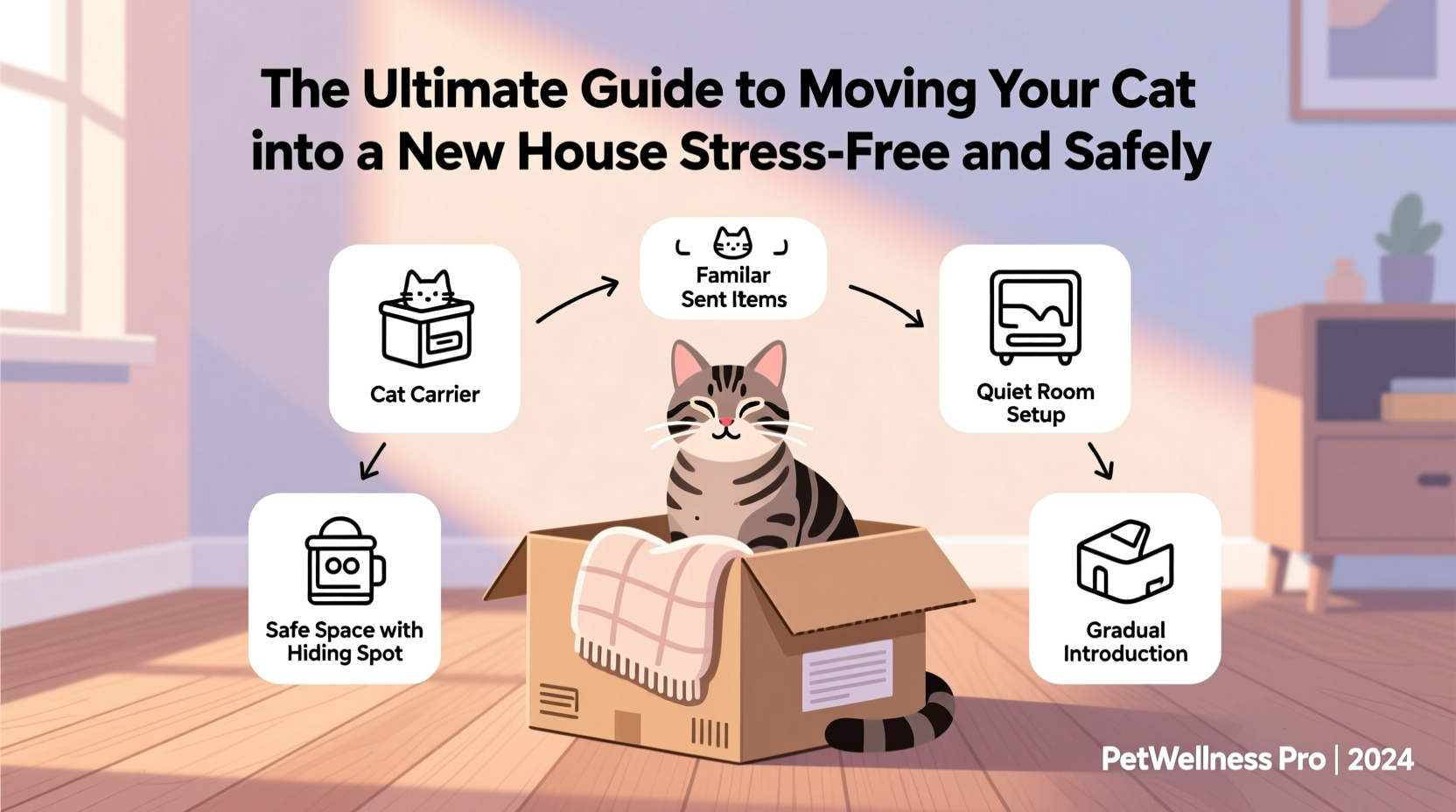
Cats are highly sensitive to changes in scent, sound, and space. Unlike humans, they don’t understand the concept of “moving for a better home.” To them, the old house was safe because it carried familiar smells, routines, and escape routes. The new environment may feel threatening at first, leading to hiding, refusal to eat, excessive vocalization, or litter box avoidance.
Recognizing these behaviors as signs of stress—not defiance—is crucial. According to Dr. Sarah Thompson, a feline behavior specialist:
“Cats don’t misbehave out of spite. When they retreat or act out after a move, they’re expressing fear. The key is to rebuild their sense of security gradually.”
By approaching the transition with empathy and structure, you can prevent long-term behavioral issues and help your cat feel at home again.
Pre-Move Preparation: 7 Days Before Moving Day
The foundation for a stress-free move begins well before packing boxes appear. Start preparing at least a week in advance to acclimate your cat slowly.
Step-by-Step Pre-Move Timeline
- Day 7–5: Designate a quiet room in your current home (like a spare bedroom or bathroom) that will become your cat’s temporary sanctuary during packing chaos.
- Day 4: Begin feeding meals and playing with toys in the carrier to build positive associations.
- Day 3: Pack non-essential items from the rest of the house, minimizing disruptions in your cat’s core areas.
- Day 2: Confirm your vet has an updated record and microchip registration reflecting your new address.
- Day 1: Prepare a moving-day kit: food, water, litter, scoop, favorite toys, blanket, leash, carrier, medications, and ID tags.
Safe Transport: How to Move Your Cat Without Panic
On moving day, your cat should be kept away from the activity. Keep them in their designated quiet room with the door closed and familiar items around them.
When it’s time to go:
- Place your cat in their carrier only when the car is loaded and ready to leave.
- Use a soft towel or blanket to cover the carrier—this reduces visual stimuli and creates a den-like feeling.
- Never leave your cat unattended in a vehicle, especially in extreme temperatures.
- Drive calmly, avoiding sudden stops and loud music.
First 48 Hours in the New Home: The Safe Room Method
Even if your entire house is unpacked, resist the urge to let your cat explore immediately. Instead, set up a single “safe room” with everything they need.
| Item | Purpose |
|---|---|
| Litter box | Ensures immediate access; prevents accidents elsewhere |
| Familiar bedding | Carries comforting scents from the old home |
| Food and water bowls | Maintains routine; monitor eating habits |
| Toys and scratching post | Provides mental stimulation and stress relief |
| Hiding box or covered bed | Gives a secure retreat |
Keep the door closed and spend time in the room daily—read aloud, offer treats, or just sit quietly. Let your cat initiate contact. Most cats begin exploring within 24–72 hours, but some may take up to two weeks.
Real Example: Luna’s Gradual Transition
Luna, a 3-year-old shy tabby, refused to come out from under the bed for five days after her family moved. Her owners followed the safe room method in the new guest bedroom. They played calming music, used Feliway diffusers, and placed her old blanket near the carrier. On day three, she emerged briefly to use the litter box. By day six, she was eating from her owner’s hand. It took ten days before she explored beyond the room—but today, she patrols the entire house confidently. Patience made all the difference.
Gradual Introduction to the Rest of the House
Once your cat is eating, using the litter box, and showing curiosity in the safe room, begin expanding their territory.
- Step 1: Open the door and let them explore at their own pace. Supervise closely.
- Step 2: Uncover windows slowly. Sudden outdoor views can be overwhelming.
- Step 3: Introduce one new room per day, keeping other doors closed.
- Step 4: Place familiar items—beds, toys, food bowls—in new zones to encourage exploration.
Avoid forcing interaction. If your cat runs back to the safe room, close the door gently and try again later. Consistency builds confidence.
Do’s and Don’ts During the First Week
| Do’s | Don’ts |
|---|---|
| Stick to regular feeding times | Change diet during the move |
| Use pheromone diffusers | Allow guests to crowd or chase the cat |
| Monitor litter box usage | Yell or punish hiding behavior |
| Play soft, calming music | Unpack noisily near the safe room |
Frequently Asked Questions
How long does it take for a cat to adjust to a new home?
Most cats begin to relax within 3–5 days, but full adjustment can take up to four weeks. Shy or older cats may need longer. Signs of adjustment include normal eating, grooming, vocalization, and voluntary exploration.
Should I let my indoor cat outside after moving?
No. Even if your previous home allowed outdoor access, re-introducing outdoor time in a new location is risky. New territories contain unfamiliar animals, traffic, and escape hazards. Keep your cat indoors for at least two weeks, preferably permanently, unless you have a secure enclosure.
What if my cat won’t come out of hiding?
It’s normal for cats to hide for several days. Ensure they have food, water, and a clean litter box nearby. Speak softly, avoid reaching under furniture, and use treats or catnip to lure them gently. If they haven’t eaten or used the litter box in over 48 hours, consult your veterinarian.
Essential Checklist: Stress-Free Cat Move
- ✅ Schedule a pre-move vet checkup
- ✅ Update microchip and ID tag with new address
- ✅ Choose and prepare a safe room in the new home
- ✅ Pack a cat essentials kit (food, meds, litter, toys)
- ✅ Acclimate your cat to the carrier ahead of time
- ✅ Use pheromone sprays or diffusers
- ✅ Keep routine consistent (feeding, playtime)
- ✅ Introduce the new home room by room
- ✅ Monitor for signs of stress or illness
- ✅ Be patient—don’t rush the process
Final Thoughts: Building a New Sense of Home
Your cat doesn’t need a perfect house—they need a predictable, scent-rich, and safe environment. The move isn’t complete when the boxes are unpacked, but when your cat naps in the sun on the new carpet, chirps at birds through the fresh window, or rubs against your legs in the kitchen. These small moments signal trust restored.
By prioritizing emotional safety over speed, you’re not just relocating your cat—you’re helping them rebuild their world with you at the center of it.




 浙公网安备
33010002000092号
浙公网安备
33010002000092号 浙B2-20120091-4
Comments
No comments yet. Why don't you start the discussion?