
There’s something undeniably comforting about warm, buttery cinnamon rolls fresh from the oven—their sweet aroma filling the kitchen, the soft pull of the dough, the swirls of cinnamon sugar melting into every bite. While many bakers rely on traditional yeast doughs, using puff pastry as a base offers a surprisingly elegant shortcut that delivers exceptional fluffiness and delicate layers. When done right, puff pastry cinnamon rolls are not just convenient—they’re luxurious, airy, and rich without being dense.
This guide walks you through every step of creating bakery-quality cinnamon rolls at home using puff pastry, with expert-backed techniques for maximizing rise, flavor, and texture. Whether you're preparing a weekend treat or impressing guests at brunch, these rolls will become your go-to recipe.
The Secret Behind Fluffy Puff Pastry Rolls
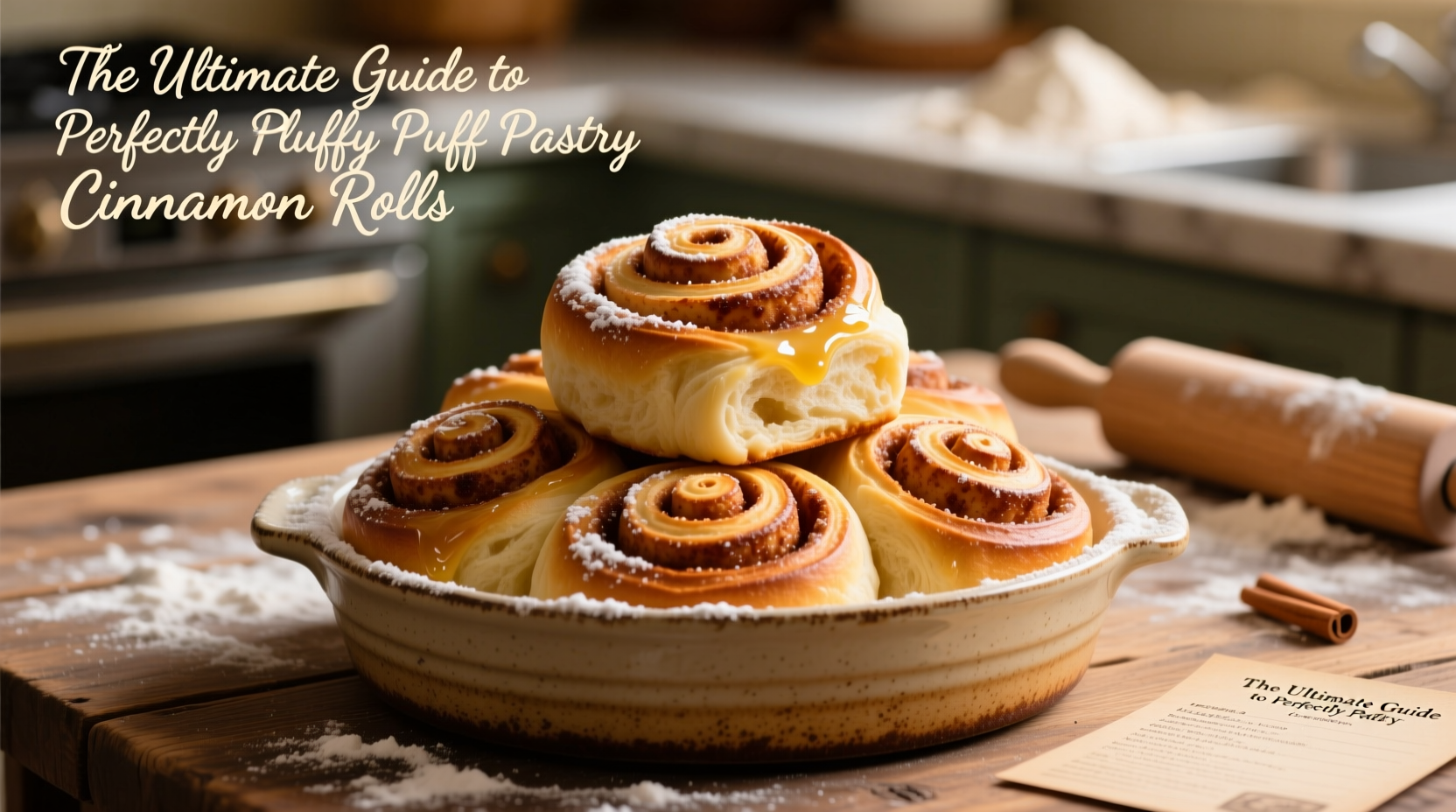
Puff pastry is made from hundreds of thin layers of dough and butter, which expand dramatically when baked due to steam formation—a process known as \"laminating.\" Most people associate puff pastry with croissants or savory tarts, but its structure makes it ideal for sweet pastries too. The key to achieving fluffy rolls lies in preserving those layers while introducing moisture and leavening agents that enhance softness.
Unlike traditional cinnamon roll dough, which relies heavily on yeast development over several hours, puff pastry gives you lift and airiness instantly. However, because it lacks gluten development, it can collapse if mishandled. To maintain volume, incorporate a light egg wash into the filling and avoid over-tight rolling. This helps trap steam during baking, giving the rolls their signature cloud-like interior.
Step-by-Step Guide to Perfect Cinnamon Rolls
- Prepare Ingredients: Gather 2 sheets of puff pastry (thawed), 1/3 cup softened unsalted butter, 1/2 cup brown sugar, 2 tsp ground cinnamon, 1/4 tsp nutmeg (optional), 1 large egg, and 2 tbsp milk.
- Preheat Oven: Set oven to 375°F (190°C). Line a round baking dish (9–10 inch) with parchment or lightly grease it.
- Roll Out Pastry: On a floured surface, gently roll each sheet of puff pastry into a 10x12 inch rectangle. Handle minimally to preserve layers.
- Create Filling Base: In a bowl, mix softened butter, brown sugar, cinnamon, and nutmeg until smooth. Spread evenly over both pastry sheets, leaving a 1/2-inch border.
- Add Lift Boost: Whisk together the egg and milk. Lightly brush half of this mixture over the filling—this adds richness and helps create internal steam pockets.
- Roll Tightly: Starting from one long edge, roll each sheet into a log. Seal the edge with a bit of water or egg wash.
- Cut Into Rolls: Using a sharp knife, slice each log into 6 equal pieces (12 total). Place cut-side up in the baking dish, snugly touching.
- Let Rise Briefly: Cover loosely with plastic and let sit at room temperature for 20 minutes. This relaxes the gluten and improves expansion.
- Bake Until Golden: Bake for 25–28 minutes, rotating halfway, until puffed, golden brown, and cooked through. Internal temperature should reach 190°F (88°C).
- Cool & Glaze: Let cool 5 minutes, then drizzle with vanilla glaze (powdered sugar + milk + vanilla extract).
Do’s and Don’ts for Best Results
| Do | Avoid |
|---|---|
| Use cold butter in the filling to prevent soaking into the pastry | Melted butter that seeps into the dough and reduces flakiness |
| Brush rolls with egg wash before baking for shine and structure | Omitting wash, leading to dull, flat tops |
| Chill cut rolls for 10 minutes before baking for cleaner layers | Baking immediately, risking spread and loss of height |
| Store leftovers airtight at room temp for up to 2 days | Refrigerating, which dries out the delicate crumb |
Expert Insight on Texture and Flavor Balance
“Puff pastry isn’t just for elegance—it’s a textural powerhouse. When adapted for sweet applications like cinnamon rolls, the key is balancing richness with moisture. Adding an egg-enriched wash inside the roll creates steam, which lifts the layers from within.” — Chef Lydia Tran, Pastry Instructor at Midwest Culinary Institute
According to Chef Tran, many home bakers overlook the importance of internal moisture in laminated doughs. “You want crisp edges and tender centers. That contrast comes from controlled hydration—not just sugar and butter.” She recommends including a small amount of corn syrup in the glaze to retain softness longer, preventing the rolls from drying out quickly.
Mini Case Study: From Flat to Fabulous
Sarah, a home baker in Portland, initially struggled with her puff pastry cinnamon rolls flattening during baking. Her first batch spread outward instead of rising upward, resulting in chewy, pancake-like rolls. After reviewing her method, she realized she was letting the pastry warm too much after cutting and skipped the resting phase. She also used melted butter in the filling, which soaked into the dough.
She revised her approach: chilled the cut rolls for 10 minutes before baking, switched to softened (not melted) butter, and added an egg-milk wash over the filling. The next batch rose beautifully, with distinct, airy layers and a melt-in-the-mouth texture. Sarah now serves them at monthly brunch gatherings and credits the change to understanding temperature control and moisture balance.
Essential Tips for Consistent Success
- Always work quickly when handling puff pastry to keep butter cold.
- Don’t overfill the pan—rolls need space to expand slightly but should touch to support upright rise.
- Use a serrated knife to cut cleanly without squishing the layers.
- For a gourmet twist, add chopped pecans, raisins, or a thin ribbon of apple compote to the filling.
- Bake on the center rack for even heat distribution.
Frequently Asked Questions
Can I make these ahead of time?
Yes. Assemble the rolls, place them in the dish, cover tightly, and refrigerate overnight. Let them sit at room temperature for 30 minutes before baking. You can also freeze unbaked rolls for up to 3 weeks—thaw in the fridge overnight before baking.
Why did my rolls come out dense?
Density usually results from warm ingredients or over-handling. If the butter melts before baking, it won’t create steam layers. Ensure all components (especially butter and eggs) are cool, and avoid pressing down when shaping.
Can I use homemade puff pastry?
Absolutely. Homemade puff pastry yields superior flavor and control over butter quality. Just be sure it’s fully laminated and chilled before use. The same rolling and filling steps apply.
Final Checklist Before Baking
- ✅ Puff pastry fully thawed in the fridge
- ✅ Work surface lightly floured
- ✅ Filling made with softened (not melted) butter
- ✅ Egg-milk wash applied over filling
- ✅ Rolls cut with sharp knife and placed snugly in pan
- ✅ Rested 20 minutes at room temperature
- ✅ Oven preheated with water tray (optional for steam)
Conclusion
Fluffy puff pastry cinnamon rolls are more than a shortcut—they’re a revelation in texture and ease. With careful attention to temperature, moisture, and technique, you can achieve professional-level results in under an hour. These rolls combine the elegance of laminated dough with the warmth of homestyle baking, making them perfect for lazy mornings, holiday spreads, or thoughtful gifts.




 浙公网安备
33010002000092号
浙公网安备
33010002000092号 浙B2-20120091-4
Comments
No comments yet. Why don't you start the discussion?